
Agritourism in Hungary
Agritourism in Hungary can be considered as a travel idea when the route, season, terrain and current conditions all fit. Not every historical description reflects an offer that is available today. Before making a decision, therefore, check specific places, access, opening hours and safety information again.
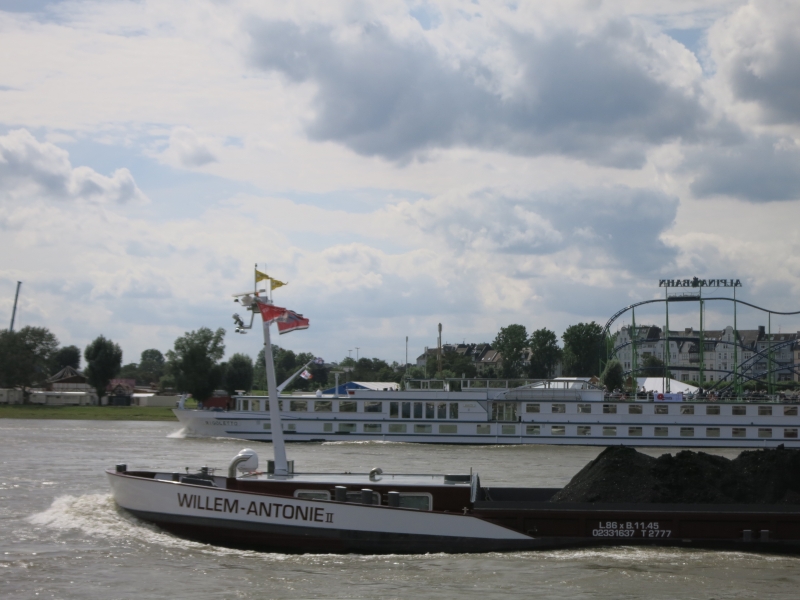 Ein Flusskreuzfahrtschiff und ein Frachtschiff auf breitem Wasser unter wechselndem Himmel.
Photo: Markus Lenk
Ein Flusskreuzfahrtschiff und ein Frachtschiff auf breitem Wasser unter wechselndem Himmel.
Photo: Markus Lenk
Quick facts: Agritourism in Hungary
- The experience can vary greatly depending on the region, season and your personal travel goals.
- Plan a specific route with realistic travel times and enough breaks.
- Current information about businesses, entry requirements and safety matters more than old travel accounts.
- Local rules, permission to take photos and consideration for residents or employees are all part of planning.
- Planning alternatives helps you stay flexible if the weather, transport or available activities change.
Agritourism in Hungary turns the spotlight on villages, wineries, farms, riding stables and small guesthouses away from the major cities. It is especially appealing to travelers who want to discover Hungary beyond Budapest, Lake Balaton and the traditional spa towns. Many regions combine the peace of the countryside with food, wine, thermal waters, crafts and easy access to nature.
Rural breaks, wine and regional cuisine
A rural stay typically features small accommodations, regional meals, markets, wine cellars, orchards or farm produce. Depending on the region, you may also find horseback riding, cycling routes, fishing, hiking or visits to thermal baths. This makes agritourism a good fit both for a relaxing getaway and for a tour with several stops.
Before booking, take a close look at the location, how to get there and what languages your hosts speak. Some places are difficult to reach without a car, but offer a much closer look at everyday life in the country than a short city break.
Hungary off the beaten track
For an introduction, see the information on Hungary. If you would like to combine a rural break with classic destinations, find more ideas under Holidays in Hungary, around Lake Balaton and in the country’s well-known spa and wine regions.
Planning agritourism in Hungary
Agritourism in Hungary is a good fit for travelers looking for rural regions, farm stays, regional cuisine and quieter days away. The combination of village life, nature, thermal baths, wine regions and excursions to smaller towns is especially appealing.
When choosing a destination, carefully check its location, access, season, language, facilities and what is actually available on site. Not every farm offers activities or meals; the surrounding area is often just as important as the accommodation itself.
Practical preparation
For a broader geographical context, Special types of travel is a useful starting point. A travel checklist, up-to-date information about access and transport, and maps saved for offline use can all help with preparations. Double-check your documents, addresses and booking details before setting out. If you are visiting several places, don’t plan to catch the last possible connection on your return journey. For agritourism in Hungary, compare the location of your accommodation with your main daily routes and allow for realistic breaks.
Special types of travel and History and memorial sites and Cities and architecture and Rivers, waterfalls and gorges can help with planning when routes, timing and current conditions are considered together.
Lakes and wetlands and peaceful nature escapes and travel checklist and itinerary and more holiday ideas can help with planning when routes, timing and current conditions are considered together.
The best travel decision is based on a pace that suits you and information you can verify. So weigh your specific reason for traveling against the duration, budget, routes and type of stay you want. If part of the plan remains uncertain, a shorter leg or a different type of trip may be a more reliable option. For agritourism in Hungary, your motivation matters, but so do route conditions, weather, daylight and a safe return.
FAQ
How can this theme be incorporated into an itinerary?
Make it part of a realistic day trip or multi-day leg, and plan your routes, breaks and an alternative.
Which details need to be up to date?
Check access, opening hours, transport, costs and any safety or entry requirements shortly before your trip.
What should I keep in mind about older information?
Older texts can explain the history and geographical context; current decisions require additional sources.
