
Peaceful Nature Breaks in Eastern Europe and Central Asia
Anyone looking for rest and wellbeing in nature does not necessarily need a remote campsite without any amenities. What matters is finding an environment that suits the pace they want: woodland paths for short walks, a lake for quiet breaks, a stretch of coast away from the busiest crowds, or the vast landscapes of Central Asia. A holiday in Eastern Europe and Central Asia is more relaxing when travel, accommodation and daily destinations all work well together.
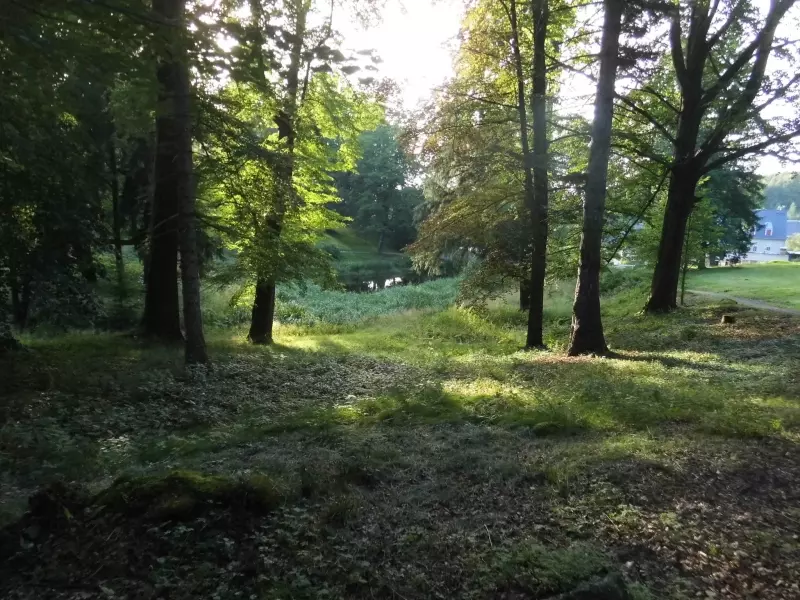 Sonniger Wald mit einem kleinen Teich und einer Wiese in Niederschlesien.
Photo: Bernd Herman, neandertours.com
Sonniger Wald mit einem kleinen Teich und einer Wiese in Niederschlesien.
Photo: Bernd Herman, neandertours.com
At a glance: Peaceful nature breaks
- How quiet a place is depends on its location, season, time of day, traffic and surroundings.
- Forests, lakes, coastlines, hills and steppes each call for different preparations.
- Short distances and a flexible daily schedule are often more helpful for relaxation than a long list of destinations.
- For remote places, check amenities, mobile coverage, weather and the return journey.
- Protected areas have their own trails, restrictions and rules for visitors.
- Nature breaks can be complemented by regional cuisine and peaceful cultural attractions.
Which landscapes offer peace and quiet
Forests can offer shade and sheltered trails, but those near popular day-trip destinations can get very busy at certain times. Lakes may seem peaceful, yet their atmosphere varies greatly depending on the shore, wind and recreational facilities. Coastal stretches are often quieter outside peak hours, while beaches can be noisy and crowded during the season. Poland, the Baltic states and Romania each offer different combinations of woodland, water and open landscapes.
First, be clear about the kind of nature break you want. Someone hoping to read, sleep and take leisurely walks needs different trails from someone planning to hike many kilometres every day. Nature and landscapes offers ideas for different settings, but your day-to-day experience will depend on the exact location of your accommodation, the terrain and how far you are from the nearest amenities.
Accommodation and daily pace
A peaceful location is only enjoyable if shopping, getting there and returning are all manageable. Before booking, ask about road noise, neighbours, parking, heating, internet, shops and the distance to the nearest town. If you are travelling without a car, check that you can reach both the stop and your accommodation with your luggage. A beautiful viewpoint loses its appeal if even a quick trip to the shops requires a long, unpredictable journey.
A flexible day needs few fixed commitments. A morning walk, a longer break and a short outing are often enough. Wellness and spas or a stay in spa towns and health resorts can be a good addition, provided travel times are short and expectations realistic. For food on the go, regional cuisine offers practical inspiration without turning a peaceful trip into a packed itinerary.
Respect and protection
Peace and quiet do not come from entering sensitive places away from marked trails. In protected areas, stay on permitted paths, take your rubbish with you and keep your distance from wildlife. Fires, drones, picking plants and camping outside designated sites may be restricted or prohibited. Local guidance applies even when a landscape appears to be freely accessible.
Assess the weather and ground conditions afresh each day. After rain, woodland paths can become slippery, banks may flood and mountain trails can be more difficult. In remote parts of the Caucasus or Central Asia, be sure to prepare drinking water, an offline map, suitable clothing and a clear plan for getting back. If reception is poor, tell someone you trust your route and expected return time.
Combine quiet with a few small discoveries
A peaceful trip need not be uneventful. A village market, a small museum or a visit focused on culture and history can each be planned as a single highlight. In the Baltic states, coastal forests and historic sites can alternate; in Poland, lakes, small towns and nature trails can be combined. Sustainable travel helps you make thoughtful choices about routes, transport and respect for the places you visit.
The best nature break is therefore not the supposedly most secluded one, but the one whose noise levels, trails, amenities and demands suit your circumstances. Planning less and choosing more carefully often leaves more time to relax.
Your specific choices should always suit your destination, the time you have and local conditions. Up-to-date information from the relevant business or location takes precedence over older general advice. If in doubt, a quick enquiry, a flexible daily schedule and a simple alternative are often more useful than an especially detailed but outdated recommendation. When preparing, consider your travel arrangements, breaks, the weather, amenities and return journey together. This helps keep your plans workable even if, once there, a route, opening time or your energy levels turn out differently than expected. A little extra time helps prevent unnecessary stress and leaves room for spontaneous decisions. It also makes it easier to coordinate plans within a travel group. For peaceful nature breaks in Eastern Europe and Central Asia, the season should therefore be considered alongside trail conditions, opening hours and available daylight.
Frequently asked questions
How can I find a truly quiet place?
Check the location, season, roads, visitor traffic, neighbours and distance to the nearest amenities rather than relying on promotional language alone.
Is remote accommodation always better?
No. Peace and quiet are only enjoyable if travel, shopping, weather and the return journey fit your plans.
What should I pack in a daypack for a nature break?
Water, suitable clothing, a navigation aid, a charged phone and, depending on the route, a small emergency kit.
