
Markets, cafés and everyday food in Eastern Europe and Central Asia
Markets, cafés and everyday food in Eastern Europe and Central Asia are among the best places to experience local cuisine through the places where people actually shop, have breakfast or meet. A market, a bakery and a small café often tell you more about everyday life than a menu designed solely for international visitors. Still, if you’re curious, don’t expect an entire country to eat the same way everywhere. The Balkans, cities on the Black Sea and inland regions all have their own customs.
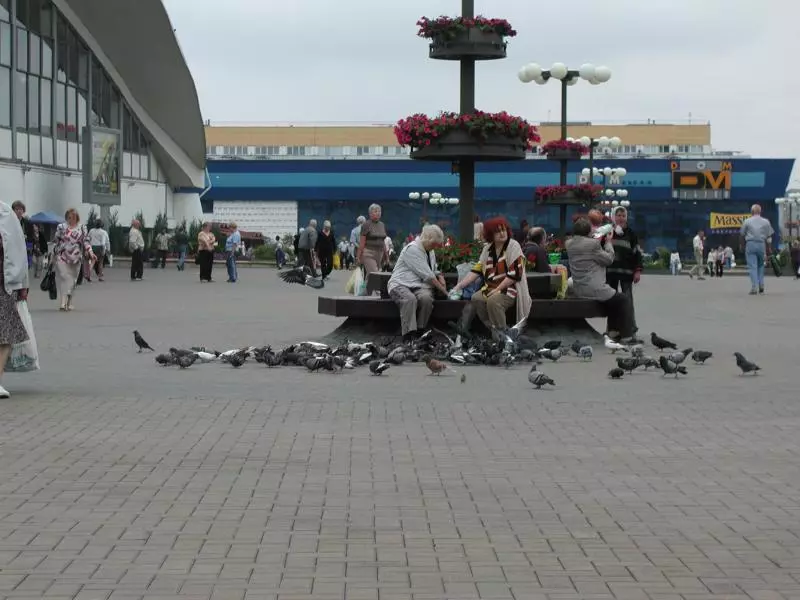 Platz vor der Markthalle Kamarowka in Minsk mit Menschen und Tauben.
Photo: Markus Lenk
Platz vor der Markthalle Kamarowka in Minsk mit Menschen und Tauben.
Photo: Markus Lenk
Quick facts: markets, cafés and everyday food
- Markets reveal seasonal produce and regional shopping habits.
- Cafés are often a relaxed way to get acquainted with local mealtimes.
- Opening hours and what’s on offer can be less predictable outside major cities.
- If you have allergies, make sure ingredients are clearly identified, preferably in the local language.
- Ordering a small portion makes it easier to try unfamiliar dishes.
- At markets, practical things to check include cash payment, cleanliness and refrigeration.
How markets broaden your travel experience
Markets put products on display that aren’t always explained in restaurants: bread, seasonal fruit, herbs, cheese, pickled goods, grains, sweets and smoked foods. In Bulgaria, for example, a visit to a market can show just how prominent vegetables, dairy products and spices are in everyday life. In Ukraine or Russia, the selection and presentation vary from city to city and with the season and region. But you can’t draw general conclusions about every household from a single stall.
For travelers, practical considerations matter. Buy unpackaged goods where handling, cleanliness and refrigeration make a good impression. With perishable foods, it makes sense to try a small amount first. At busy markets, it’s also worth thinking about how you’ll get back and store your purchases before buying perishable goods for a long outing.
Choosing cafés and small eateries
Cafés are an easy way to get to know the rhythm of a place. Some people have only coffee or tea and pastries in the morning, while others start the day with bread, dairy products or a hot dish. In Poland and Romania, the selection and mealtimes can vary from one city to another. If you’re visiting a small town, don’t assume every kitchen stays open all day.
A good choice depends on location, the customers, the menu and your own schedule. A café full of locals may be interesting, but that doesn’t automatically guarantee quality. If there are long queues, refrigeration is unclear or ingredients are hard to understand, it’s sensible to choose somewhere else. If you have allergies or follow religious dietary requirements, be sure to ask clearly before ordering.
Mealtimes and etiquette
Mealtimes are part of everyday food culture and can affect how you plan your day. In smaller towns, hot dishes may only be available at certain times. If you’re planning an outing in the Baltic states or the Caucasus, bring a simple backup and don’t wait until late evening to look for an open kitchen. This isn’t a judgment of local dining; it’s simply a realistic way to prepare for different opening hours.
When you’re invited to someone’s home or dining at a family-run establishment, patience and respect go a long way. You don’t have to like every dish. It’s better to ask about ingredients, spice, alcohol, nuts or dairy than to guess. Translation apps can explain words, but if you have a severe allergy, they’re no substitute for getting a clear answer.
Combining culinary experiences with your itinerary
A visit to a market can be combined with culture and history or a walk, without turning everyday life into a mere backdrop. If you’re staying longer in one place, you can compare different cafés and notice seasonal changes. On a tour, one thoughtful visit per region is often enough. Regional cuisine can help you make sense of typical ingredients and eating habits, while sustainable travel broadens your perspective on shopping, getting around and being considerate.
The result is a practical culinary travel plan: open to new experiences, mindful of hygiene and ingredients, realistic about opening hours and respectful toward local people. That combination makes markets and cafés a reliable way to experience everyday life while traveling.
Your specific choices should always suit your destination, schedule and local conditions. That helps keep your plans and expectations realistic. Up-to-date information from the business or place itself should take precedence over older, general recommendations. If you’re unsure, a quick question, a flexible day plan and a simple alternative are often more useful than a highly specific but outdated recommendation. This also applies when a trip crosses several countries or different landscapes. That way, you can enjoy spontaneous discoveries without overlooking important safety or timing considerations. For markets, cafés and everyday food in Eastern Europe and Central Asia, the route, weather, daylight and a safe return are just as important as what you’re hoping to experience.
Frequently asked questions
Are markets better than restaurants?
They show different sides of everyday life. For a well-rounded trip, markets, cafés and restaurants can all have a place.
What should I do when faced with unfamiliar dishes?
Ask about the ingredients, start with a small portion and, if you can’t get a clear answer, choose a familiar alternative.
When are cafés usually open?
It depends greatly on the location, season and business. Check opening hours locally in smaller towns.
