
Spa Treatments in Serbia
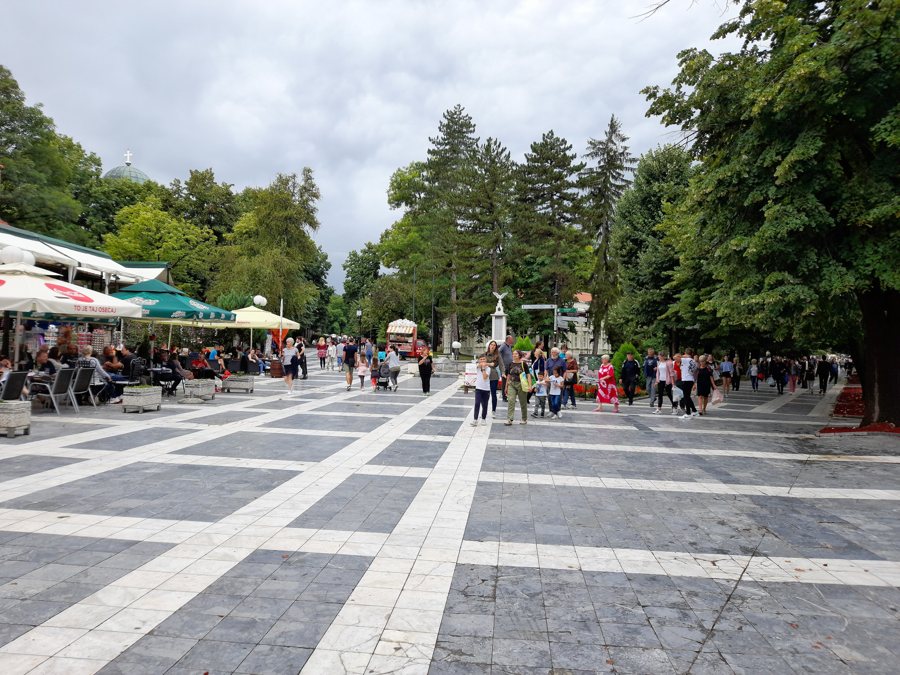
Quick facts about spa treatments in Serbia
- Vrnjačka Banja has seven well-known mineral springs, four of which are used for balneotherapy.
- Sokobanja has six thermomineral springs; at the Amam bath, the spring water ranges from 43 to 53 degrees Celsius.
- In western Serbia, Banja Koviljača combines sulfur-rich mineral water and peloid with a rehabilitation center.
- The towns differ in location, therapeutic resources, medical facilities, and access.
Vrnjačka Banja: seven mineral springs
The local tourism organization lists seven well-known mineral springs: Topla voda, Snežnik, Slatina, Jezero, Beli Izvor, Borjak, and Vrnjačko Vrelo. Four of them—Topla voda, Snežnik, Slatina, and Jezero—are used for balneological treatments; mineral water is also bottled from Topla voda and Vrnjačko Vrelo. The springs are located in different parts of the spa town, including the central area, by the river, and in the park. A medical center provides diagnostics, treatment, and rehabilitation, while wellness programs complement its services. Vrnjačka Banja is therefore a good fit for travelers seeking a variety of springs and a medical facility in one place. Mineral water and peloid are also important natural resources at spa towns in other countries; the range of other spa towns and thermal baths extends to thermal spas and rehabilitation centers.
Sokobanja: warm springs at the Amam bath
Sokobanja has six thermomineral springs. The historic Amam bath is home to the Sveti Aranđel spring, at 43 degrees, and the Preobraženje spring, whose temperature ranges from 43 to 53 degrees Celsius. This makes the town particularly appealing to visitors who want to combine warm springs with a historic bathhouse. More springs are located at the Banjica bath; according to the local tourism website, their temperatures are 27.8 and 28.9 degrees. The peaceful natural setting for a restorative stay may also factor into the choice of destination; the specific routes depend on the accommodation and the bath you plan to visit.
Banja Koviljača: sulfur water, peloid, and rehabilitation
Banja Koviljača lies in western Serbia, between the Drina River and the wooded Gučevo mountain. The Serbian Spa Association describes sulfur-rich thermomineral water and peloid—a therapeutic mud used in treatments—as natural resources of the town. The spa center is home to a specialized rehabilitation clinic staffed by doctors, physiotherapists, occupational therapists, and nursing personnel. This sets the town apart from a stay focused mainly on wellness or visiting individual springs: medically supervised rehabilitation is also available here. The choice of specific treatments depends on medical assessment and the individual’s health.
Travel arrangements also shape the decision. From Belgrade, the road route follows the highway toward Ruma and continues via Šabac and Loznica to Banja Koviljača; the Spa Association lists the road distance as 145 kilometers. The nearest airport is in Belgrade. Belgrade can therefore be planned as an arrival point or stopover, while planning your schedule and stops can help coordinate the onward journey with your stay.
Choosing the right spa town and accommodation
The right choice depends on your priorities, the specific facility, and the length of your stay. Travelers looking for a variety of springs and medical services in one place will find suitable facilities in Vrnjačka Banja. Sokobanja stands out for its several warm springs and the historic Amam bath. Banja Koviljača combines sulfur-rich water and peloid with a rehabilitation clinic. Other spa towns and thermal baths also differ in spring type, facilities, and access.
Your accommodation and bath should be a good match in terms of distance and daily travel. Accommodation options in Eastern Europe span a range of destinations; in Serbia, location, access to your chosen facility, and local transport are key considerations. For longer stays, it is also important to consider how accommodation, treatments, and free time fit into your daily routine. Inland Serbia offers river and mountain landscapes as well as spa towns for longer stays. If you want to combine a spa stay with another destination, consider cities and architecture, history and memorial sites, or rivers and gorges. Lakes and wetlands and general vacation ideas can also help shape your plans, depending on the kind of setting you prefer.
Frequently asked questions about spa treatments in Serbia
Which spring in Vrnjačka Banja is close to body temperature?
Topla voda reaches 36.5 degrees Celsius. The local tourism organization describes it as the oldest and best-known mineral spring in the spa town.
How is Banja Koviljača different from a wellness spa?
In addition to sulfur-rich thermomineral water and peloid, it has a specialized rehabilitation clinic with medical and therapeutic staff. The specific services offered depend on medical assessment.

