
Spa Towns and Health Resorts in Eastern Europe and Central Asia
Spa towns and health resorts bring together travel, relaxation, and local health traditions. Across Eastern Europe and Central Asia, they range from historic spa towns and mineral springs to modern facilities offering wellness services. If you want to combine a holiday in Eastern Europe and Central Asia with a spa stay, it is important to distinguish clearly between the terminology, official recognition, treatments, and your personal goals.
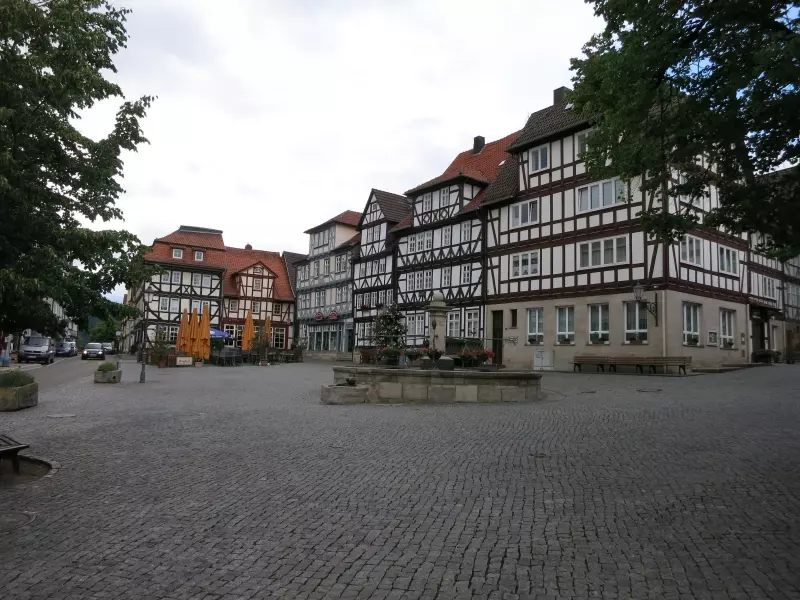 Historischer Platz mit Fachwerkhäusern in einem Kurort.
Photo: Markus Lenk
Historischer Platz mit Fachwerkhäusern in einem Kurort.
Photo: Markus Lenk
Quick facts: spa towns and health resorts
- A spa town, a health resort, and a wellness destination are not automatically the same thing.
- Recognition, therapeutic resources, and treatments need to be checked for each specific place.
- Accommodation, length of stay, and travel arrangements are all part of planning a spa stay.
- Health claims should not be inferred from tourist catchphrases.
- Scenery, peace and quiet, and culture can complement the stay.
- If you have a medical condition, advice from a doctor remains essential.
Distinguishing spa towns, health resorts, and wellness destinations
A spa town may be characterized by its climate, landscape, springs, baths, or other local features. A health resort is not simply any swimming pool with warm water. The official designation, treatments on offer, and their recognition depend on the country and the particular location. In Romania, Bulgaria, and the Balkans, historic traditions and modern tourism can coexist, but not every facility offers the same services.
Before booking, travelers should therefore check the official description of the town or facility. Key details include therapeutic resources, type of treatment, duration, medical supervision, language, costs, and whether the stay is planned privately for relaxation or as part of a medical program. Tourist accommodation with a spa is not automatically a medical facility.
Practical preparations for your trip
A spa stay usually requires more time than a brief visit to a thermal bath. Travel, settling in, appointments, rest periods, and the return journey should fit into a realistic schedule. For a trip to Poland or the Baltic states, train, bus, and transfer options may vary in suitability. If you are bringing luggage, medication, or mobility aids, check the route and how accessible your accommodation is in advance.
The time of year also affects your stay. Climate, altitude, and weather may be relevant to your plans, but they are no substitute for individual advice. A peaceful setting does not always mean complete seclusion. Depending on the length of your stay, it is worth arranging access to shops, pharmacies, cash, and medical contacts in advance.
Assess health claims with care
Stories about springs and their healing effects are part of a place’s history, but they do not guarantee personal treatment outcomes. If you have symptoms, a chronic condition, are pregnant, or are taking medication, consult a doctor before traveling. Treatments involving heat, water, exercise, or inhalation may be suitable for some people but not others.
In Russia and the Caucasus, there are long-established spa towns and bathing resorts whose current facilities and medical oversight should each be checked. A place’s historical reputation alone says nothing about current opening hours, staff, facilities, or entry requirements. Reliable information comes from the facility, the local municipality, or the relevant authorities.
Combining a spa stay with a travel experience
A spa stay does not have to consist solely of treatments. Nature and scenery, gentle walks, and suitable periods of rest can complement your visit. Culture and history can offer variety when routes, physical demands, and opening hours suit your personal circumstances. If you are interested in regional food, local cuisine can be a gentle way to explore meal times and ingredients.
When choosing accommodation, short distances, an elevator, a suitable bathroom, quiet surroundings, meals, and accessible staff are often more important than a long list of extra amenities. Families and people with limited mobility should ask specifically about steps, path surfaces, and places to sit. Leisure and activities can be an optional addition, but they do not have to become a packed itinerary.
A well-planned spa stay is ultimately a personal travel decision. By checking official information, treating health advertising with caution, and allowing plenty of time to rest, you can combine tradition, scenery, and relaxation without taking a place name as a medical promise.
The specific choice should always suit your destination, available time, and local conditions. This helps keep both plans and expectations realistic. Current information from the facility or town takes precedence over older general recommendations. If in doubt, a quick inquiry, a flexible daily schedule, and a simple alternative are often more useful than a highly specific but outdated recommendation. This also applies when a trip covers several countries or different landscapes. That way, you can enjoy spontaneous discoveries without overlooking important safety or timing considerations. For spa towns and health resorts in Eastern Europe and Central Asia, factors such as road conditions, weather, daylight, and a safe return matter alongside the reason for your visit.
Frequently asked questions
Is every spa town also a health resort?
No. The designations and official requirements vary. The information provided by the specific town or facility is what matters.
How long should a stay last?
That depends on your goals and personal plans. Treatments and periods of rest usually call for more time than a brief day at the baths.
Who should assess whether a treatment is suitable?
If you have health concerns, symptoms, or take medication, consult a doctor.
