
Georgian Wine
Georgian wine can be considered as a travel idea when the route, season, access and current conditions all line up. Not every historical description reflects an offering that is available today. For this reason, check specific places, access, opening hours and safety information again before making a decision.
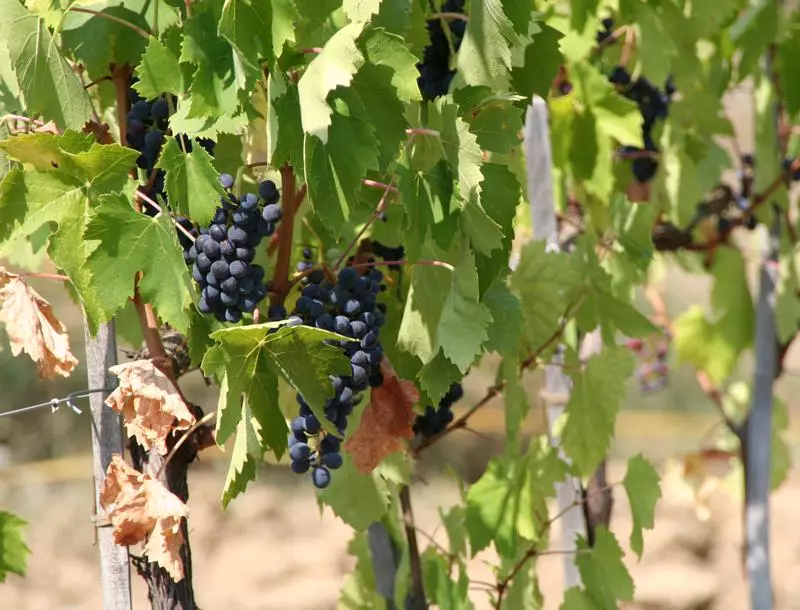 Georgischer Wein ist weltweit für seine Qualität bekannt
Photo: Mediaup
Georgischer Wein ist weltweit für seine Qualität bekannt
Photo: Mediaup
Quick facts: Georgian wine
- The experience can vary greatly depending on the region, season and your personal travel goals.
- Plan a specific route with realistic travel times and enough breaks.
- Current information about operations, entry requirements and safety is more important than old accounts.
- Local rules, permission to take photographs and respect for residents or staff should all be part of your preparations.
- Planning alternatives helps you stay flexible if the weather, traffic or available offerings change.
Georgian wine is one of the defining themes of a trip to Georgia. Here, wine is more than a drink: it is part of the landscape, family culture, festive table and regional identity. Many visitors encounter it in restaurants in Tbilisi, at wineries or on drives through eastern Georgia, where viticulture is especially prominent.
Qvevri, grape varieties and table culture
Georgia is known for the qvevri method, in which wine is made in large clay vessels. There are also indigenous grape varieties, full-bodied red wines, aromatic white wines and amber wines, which can differ considerably from many Western European traditions. A key part of the experience is the connection with food, hospitality and the Georgian feast, where wine often plays a storytelling role.
For travelers, it is worth looking beyond individual bottles of Georgian wine. Regions, cellars, family-run businesses, city bars and markets are all interesting. If you take part in a tasting, allow plenty of time and arrange transportation without drinking and driving. Many wine experiences are best enjoyed as a relaxed day trip or as part of a longer itinerary.
Wine on a Georgia itinerary
Practical preparations
For a broader overview, wine tours are a good starting point. A travel checklist, up-to-date information on getting there and local transport, and maps saved for offline use can all help with preparations. Double-check your documents, addresses and booking details before setting out. If you are linking several stops, do not rely on the last possible connection for your return journey. For a trip focused on Georgian wine, compare accommodation options with the main day trips and realistic breaks.
Wine tours and History and memorial sites and Cities and architecture and Rivers, waterfalls and canyons can help with your preparations when routes, timing and current conditions are considered together.
Lakes and wetlands and peaceful nature getaways and travel checklist and itinerary and more vacation ideas can help with your preparations when routes, timing and current conditions are considered together.
The best travel decision is one that suits your pace and is based on verifiable information. So compare the specific purpose of your trip with its duration, budget, routes and the kind of stay you want. If part of the plan remains uncertain, a shorter leg or a different type of trip may be the more reliable option. For a trip focused on Georgian wine, consider not only what you want to see but also road conditions, weather, daylight and a safe return.
FAQ
Which Georgian wine regions are suitable for a trip?
The choice depends on the route you want to take. Tbilisi offers an introduction in an urban setting; wine towns and scenic regions can be combined with cultural destinations such as Mtskheta or a onward journey to Kazbegi.
How can you plan a wine trip in Georgia?
Plan tastings so that transportation, overnight stays and the return journey are all clearly arranged. An itinerary with fewer stops and longer stays is often more enjoyable than making lots of changes at short notice.
What should you look out for when buying wine in Georgia?
Buy from sellers whose provenance can be verified, ask about the wine’s origin and keep your receipts. The current customs and import rules of your destination country apply when taking wine home.
