
Beer and Drink Culture in Eastern Europe and Central Asia
Beer and other regional drinks are part of everyday social life in many places, but they are not a defining feature of entire countries. Those planning a holiday in Eastern Europe and Central Asia can learn a lot about mealtimes, gathering places and social customs through drinks. This takes less than a long list of brands: it calls for paying attention to the place, the occasion and what is actually on offer.
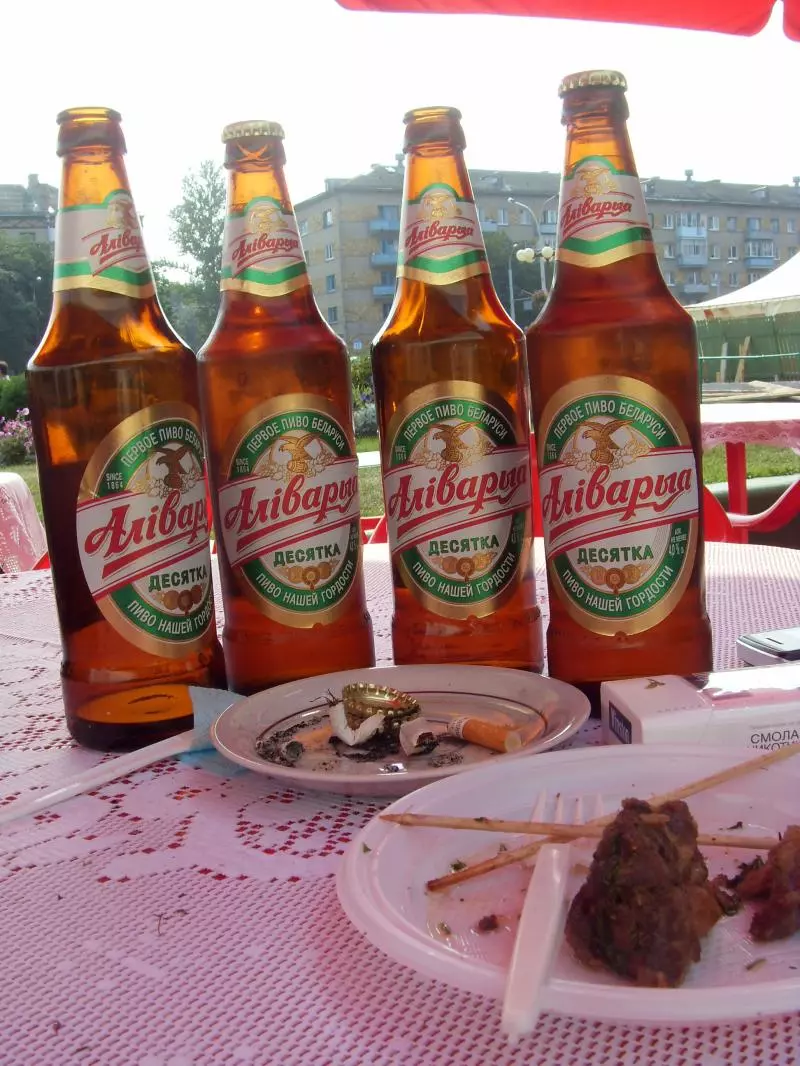 Bierflaschen und gegrillte Speisen auf einem Tisch in Belarus.
Photo: Markus Lenk
Bierflaschen und gegrillte Speisen auf einem Tisch in Belarus.
Photo: Markus Lenk
Quick facts: Beer and drink culture
- Drinking habits vary by region, occasion and generation.
- Beer may be served differently in restaurants, at markets or during festivals.
- Non-alcoholic drinks are equally part of the selection.
- For unfamiliar products, ingredient and serving-size information can help.
- Alcohol and driving must be kept separate on every route.
- Historical names and present-day brands should not automatically be treated as the same thing.
Drinks in everyday regional life
In Poland, Bulgaria or Russia, beer, tea, mineral water, fruit drinks and regional specialties can vary greatly in prominence depending on the city and season. In the Balkans, travelers will also encounter drinking cultures shaped by cafés, family meals, markets and festivals. These impressions should be understood as observations about a particular place, not as fixed characteristics of everyone in a region.
It is usually easy to find your way around a restaurant’s drinks menu: serving size, alcohol content, ingredients and serving style are often listed, or you can ask. A brief explanation can be helpful when a drink has an unfamiliar name. If you do not drink alcohol, ask for water, juice, tea, coffee or non-alcoholic beer. Choosing thoughtfully makes the evening more enjoyable for the whole travel group.
Breweries, restaurants and markets
A brewery or local pub can be interesting to visit if tours are actually available. Opening hours, tours and tastings can change, so the venue’s latest information is what matters. In Ukraine or the Baltic states, small businesses may have limited access outside the season. A visit should not be confused with a restaurant outing if the venue does not offer regular food service.
Markets also offer a glimpse of drinking culture, though often from a different perspective. They may sell tea, juices, dairy products, herbal infusions or locally made goods. For everyday travel, refrigeration, packaging and shelf life matter more than buying something as exotic as possible. The information on regional cuisine can help you pair drinks with regional dishes and dining customs.
Enjoying drinks in moderation and staying safe
Alcoholic drinks and driving do not belong in the same travel plan. For a route through Romania or the Caucasus, a transfer, taxi, public transport or nearby accommodation are safer options. If you are driving, stick to non-alcoholic drinks. Cycling, boating and hiking also call for a clear head and a realistic assessment of the route.
At invitations and celebrations, no one has to accept every glass. A friendly no or a request for water is often easier than an explanation. If you take medication, are pregnant or avoid alcohol for personal reasons, do not let anyone pressure you. Practical rest and wellbeing are more likely to come from finding a suitable pace than from trying as many drinks as possible.
Connecting drinks with culture
Drinking culture can be connected with culture and history by asking about a drink’s origins and the occasion it is associated with. A historical name may point to earlier trade routes or local crafts, but that does not necessarily mean a present-day product is made the same way as before. Likewise, a single label should not be taken to represent an entire country.
By choosing thoughtfully, respecting local offerings and planning the journey back in advance, travelers can experience beer and other drinks as part of everyday life rather than as a must-do activity. Combined with leisure and activities or a quiet evening at your accommodation, this makes for an enjoyable, safe and easy-to-plan day of travel.
The specific choices should always suit the destination, the time you have and local conditions. This helps keep plans and expectations realistic. Current information from the venue or place itself should take precedence over older general recommendations. If in doubt, a quick inquiry, a flexible daily schedule and a simple alternative are often more useful than an especially precise but outdated recommendation. This also applies to trips that cover several countries or different landscapes. That way, you can enjoy spontaneous discoveries without overlooking important safety or timing considerations. For beer and drink culture in Eastern Europe and Central Asia, the route conditions, weather, daylight and a safe return matter just as much as the reason for your visit.
Frequently asked questions
Which drinks should I try?
That depends on the place and your personal taste. Local recommendations, ingredient information and non-alcoholic alternatives can help you choose.
How do I get back after a tasting?
Take a transfer or taxi, use public transport, or stay somewhere nearby. Driving yourself after drinking alcohol is not an option.
Can historical drink names be trusted?
They offer clues about traditions, but do not replace checking current information about the venue or product.
