
Restaurants in Tashkent: Cuisine, Neighbourhoods and Practical Planning
Restaurants in Tashkent can add a culinary dimension to a trip through Uzbekistan when the location, time of day and your appetite all align. Between a city walk, a market visit, a museum and onward travel, there is often little time for a major detour. It therefore makes sense to consider your route for the day first, then compare cuisine, atmosphere and price range. Check opening hours, menus, payment options and current information before visiting.
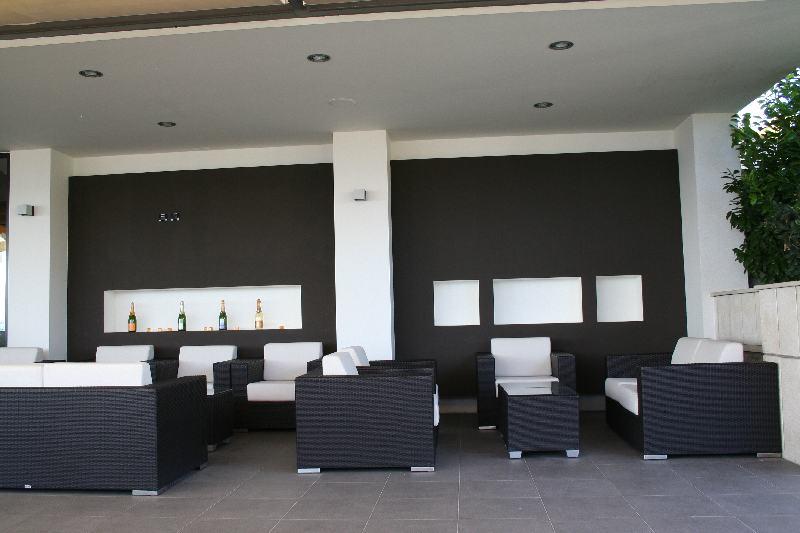 Überdachter Sitzbereich eines modernen Restaurants mit schwarzen Korbsesseln und weißen Polstern.
Photo: dago
Überdachter Sitzbereich eines modernen Restaurants mit schwarzen Korbsesseln und weißen Polstern.
Photo: dago
Quick facts: Restaurants in Tashkent
- Uzbek dishes, teahouses and international restaurants cater to different tastes.
- Plov, shashlik, soups, bread, dumplings and tea may be served differently from one establishment to another.
- A restaurant near your accommodation, a market or the train station makes planning your day easier.
- Breaks and short transfers are especially practical in hot weather, when travelling in a group or when walking long distances around the city.
- Check menus, ingredients, opening hours and payment options for the latest information.
- Travel planning also involves entry requirements, transport and weather conditions—not just food.
Choosing a cuisine and dining experience
First-time visitors to Tashkent can choose between traditional dishes, casual eateries, teahouses and more modern restaurants. For a quick meal, a conveniently located place is often a better choice than a recommendation far out of the way. A longer dinner, on the other hand, can be chosen more for its atmosphere and the cuisine you are in the mood for. If you have allergies or intolerances, ask directly about ingredients and preparation, rather than relying solely on an automatic translation.
You can explore the culinary scene alongside regional cuisine. Tashkent and Uzbekistan show how food, the city and other destinations are connected. If you are also visiting regions in Central Asia, avoid planning every meal in the same way. Different daily rhythms and routes can change what makes sense to choose while you are there.
Neighbourhoods, routes and daily plans
A restaurant visit fits well between two scheduled activities if the journey is manageable. Markets and busy parts of the city can have a different atmosphere at different times of day. After arriving, eating near your accommodation is usually more relaxing than making a long trip. Before catching a train or continuing your journey, avoid ordering too close to departure time.
For addresses, stops and translations, maps and translations saved offline are useful. Transfers and local transport can help you choose a restaurant that is easy to reach. A travel checklist with a timetable can prevent meal times, a market visit and onward travel from being squeezed too close together.
Menus, payment and consideration
When a menu is in a foreign language, pictures or a few familiar words may not be enough. Ask about any unclear ingredients, and check whether side dishes, drinks or service are included in the stated price. If you are travelling with children, ask whether there are simpler alternatives. Allowing a little extra time and money makes things easier if a dish is unavailable or service takes longer than expected.
It is useful to have a second way to pay while travelling. Information about cards, cash and a second payment option can help you prepare. For communication, useful words for everyday situations come in handy. Only take photos of guests or staff with their permission; even in a lively restaurant, privacy and consideration matter.
Current information before your trip
Older travel accounts can vividly describe dishes, establishments or cityscapes, but they are no guarantee of what you will find today. Opening hours, ownership, prices and transport conditions change. So check the official travel and safety advice before you leave. For planning your day, you can also explore cities, historic districts and architecture as well as peaceful nature breaks, to keep meals and sightseeing in balance.
Choosing becomes easier if you plan just one food-related highlight for each day: perhaps a traditional lunch, a tea break or a relaxed dinner. Information about markets, cafés and everyday food culture connects these options with other travel ideas. More holiday ideas can help you put Tashkent in the context of a longer trip.
Planning more than one meal
If you are spending several days in Tashkent, it is worth varying your dining experiences. A simple breakfast can get the day off to a quick start, a market visit offers a taste of everyday city life, and a longer dinner can have its own place in your plans. This leaves room to compare dishes and atmospheres without treating every meal as a major event. In hot weather, drinking water, shade and short walks matter more than a packed schedule. If you are continuing your journey, factor in your luggage, departure time and a sufficient buffer when choosing a restaurant.
FAQ
What dishes are typical in Tashkent?
Depending on the restaurant, you may find plov, shashlik, soups, bread, dumplings and tea. Check the specific menu and preparation details while you are there.
How can I find a well-located restaurant?
Plan your search around your route for the day: choosing somewhere near your accommodation, a market, museum, train station or next stop saves time and makes the return journey easier.
What should I keep in mind when paying?
Check which payment methods are accepted and have a second option ready. Having some cash can be useful if there are technical problems or no connection.
