
Beer in the Czech Republic
Czech beer brings together a long brewing tradition and a diverse modern scene. For travelers, Plzeň is a particularly tangible starting point: it was there in 1842 that the beer which gave Pilsner its name was first brewed. Brewery history, a city visit, and regional cuisine can all be combined into a day’s itinerary.
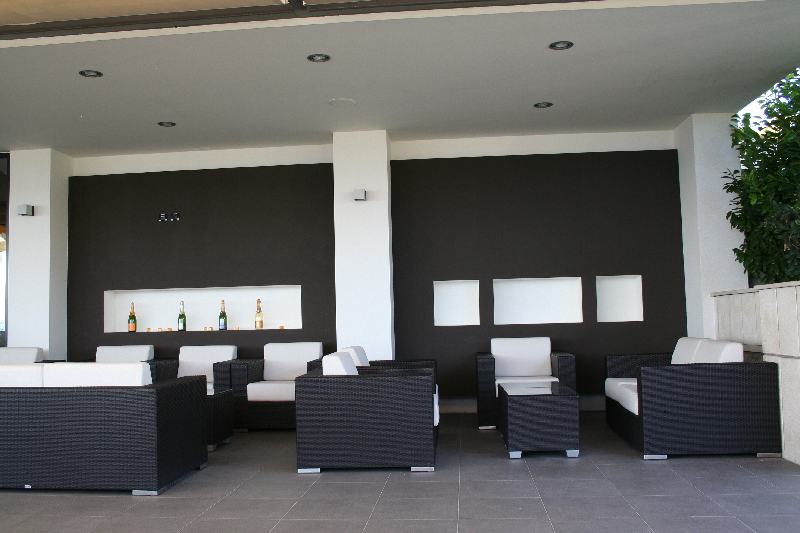 Sitzbereich eines Restaurants als neutrales Motiv für kulinarische Reiseplanung.
Photo: dago
Czech beer at a glance
- In Plzeň, Josef Groll brewed a pale bottom-fermented beer in 1842 that became the model for the Pilsner style.
- Czech lagers vary in color and original gravity, and include pale, amber, and dark varieties.
- The brewery city of Plzeň combines historic sites with a brewery museum and brewery tours.
- Travel routes, accommodation, and event times should be suited to your specific itinerary.
Plzeň and the origins of Pilsner
The brewing history of this West Bohemian city dates back to the Middle Ages. Plzeň was granted brewing rights in 1295; in the 19th century, local citizens joined together to form a citizens’ brewery. In 1842, Bavarian brewmaster Josef Groll brewed a new pale lager there. The region’s soft water, pale malt, and aromatic Saaz hops helped create a clear, golden beer with a pronounced hop character. This beer style became known internationally as Pilsner.
A stroll through historic cities and architecture brings together architecture and urban history. In Plzeň, the Brewery Museum and brewery tours explore the development of brewing. Tours offer insights into ingredients, historic and modern brewing equipment, and a tasting of unfiltered beer from an oak cask. The Gambrinus brewery complex also features an interactive beer-pouring exhibition and a traditional brewery pub.
Pilsner refers to a beer style that is popular far beyond Plzeň. Brewery tours in the Czech Republic can therefore reveal different brewery histories and stages of production, depending on the location.
Pale, amber, and dark lagers
The Czech terms světlé, polotmavé, and tmavé refer to pale, amber, and dark beers. Lagers are also classified by original gravity: výčepní, ležák, and speciální broadly describe lighter beers, classic lagers, and stronger specialty beers. The degree designation refers to the original gravity before fermentation and should not be confused with alcohol content. Within each category, bitterness, malt body, and hop aroma vary according to the recipe and brewery.
Pale premium lager combines robust malt notes with a pronounced hop character and a long, balanced finish. A pale, lighter beer can be refreshing and less intense; differences depend on color, original gravity, and brewing method. Czech beer and beverage culture pairs lagers with regional drinks and ways of enjoying them. If you’re sampling different varieties, a meal or a stroll around town can provide a relaxed setting, and it’s worth planning your journey home in advance.
Planning a trip around breweries
Plzeň is well suited to a day trip on its own, while Prague offers other breweries and pubs. Your accommodation search can take into account the tour location, your arrival arrangements, and how you’d like to get back. If you have a fixed tour time, leave enough time in the rest of your schedule for travel and breaks.
For excursions in the region, river valleys and scenic routes can help you find your way, as can lakes and wetlands. After a tasting, you can plan your return journey by public transport. A travel checklist with a schedule can help put travel, reservations, and breaks into a realistic order.
If you’re combining a brewery visit with other cultural stops, you can include historical sites and memorials in your city tour. For a longer break, consider peaceful nature destinations outside the city center. Plan your itinerary around the time available, transport, and your interest in brewing history, city culture, or landscapes. For more ideas for a stay in the Czech Republic, see holiday ideas.
Frequently asked questions about Czech beer
What does a number such as 10° or 12° on Czech beer mean?
It usually indicates the original-gravity category before fermentation, not the alcohol content. The strength of the finished beer also depends on how fermentation proceeds.
What can you visit in Plzeň to learn about brewery history?
The Brewery Museum explores the history of brewing. A tour of Pilsner Urquell includes insights into ingredients and brewing equipment, as well as a tasting of unfiltered beer from an oak cask.
What gives Czech lagers their body?
A small amount of residual extract can contribute to a fuller body and richer aroma. These styles are often fermented at lower temperatures and for longer than many German lagers.
