
Narach Lake
Narach Lake can be considered as a travel destination when the route, season, paths, and current conditions all align. Not every historical description reflects an offering available today. For this reason, check specific locations, access, opening hours, and safety information again before making a decision.
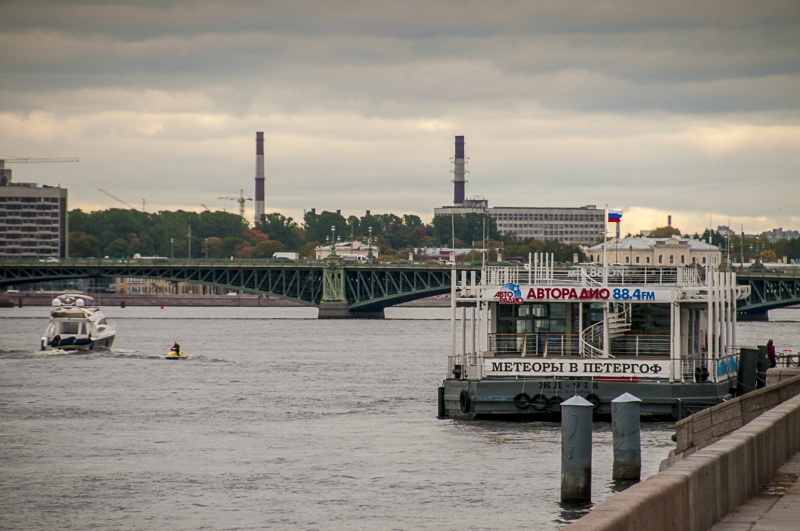 Flussufer und Brücke in Sankt Petersburg unter hellem Himmel.
Photo: Alesia Belaya
Flussufer und Brücke in Sankt Petersburg unter hellem Himmel.
Photo: Alesia Belaya
Quick facts: Narach Lake
- The experience can vary greatly depending on the region, season, and personal travel plans.
- Plan a specific route around realistic distances and allow enough time for breaks.
- Current information on operations, entry requirements, and safety matters more than old travel accounts.
- Local rules, photography permissions, and consideration for residents or employees should all be part of your preparations.
- Planning alternatives helps you stay flexible if the weather, traffic, or available services change.
Narach Lake (also spelled Naroch) is the largest and most beautiful lake in Belarus. It lies in the northwest of the Republic of Belarus, about 170 km from the capital, Minsk. Narach Lake is known for its clear water; in good weather, you can see the lakebed at depths of almost 10 meters. The lake’s beautiful sandy beaches and the healing effects of the pine forests along its shores are also noteworthy.
You can swim in Narach Lake for around 100 days a year, and the sun shines for around 240 days a year. Numerous architectural, cultural, and historical monuments in the Narach area have helped shape many hiking routes around the lake and through the surrounding forests. The region’s natural environment is still in good condition.
Belarus’s most popular holiday region
Narach Lake is Belarus’s most popular holiday region. Since the 1960s, holiday facilities have been built around the lake: guesthouses, holiday homes, health resorts, children’s summer camps, tourist hotels, and many small dacha communities. Today, around 18 health resorts and holiday homes are located along the shores of Narach. There is also the nationally renowned Narach tourist complex, one of Belarus’s largest holiday parks.
Narachansky National Park
In 1999, Narach Lake was incorporated into Narachansky National Park to preserve its natural environment and microclimate. Several other areas around the lake and nearby are also intended to receive protected status: the Blue Lakes, the island in Narach Lake, and the Dyagil and Cheremshitsa marshes. The lake itself is a beautiful biosphere area, where Belarus’s unique flora and fauna are being preserved.
Fishing at Narach Lake
Fishing is the most popular leisure activity for Belarusians at Narach. A fishing holiday at Narach means angling in one of the cleanest bodies of water in Europe. Following a relaxation of the regulations, anyone can now cast a line—provided they first obtain the appropriate licenses from the local authorities. The most valuable fish in Narach was the eel. Unfortunately, eels virtually disappeared in the 1990s because of uncontrolled fishing, but efforts are now underway to reintroduce them gradually.
Drushnaya settlement
Germany also takes an interest in the settlement of Drushnaya on the southern shore of Narach Lake. The settlement lies between the villages of Stakhovtsy and Zanarach. In the 1990s, people displaced from areas in southern Belarus contaminated by the Chernobyl disaster settled in Drushnaya. With financial assistance from Germany, the only two wind turbines in Belarus to date were built here, and they are still in operation. Efforts to restore the use of the reed fields in Narach Lake are also coordinated from here.
Narach Lake as a nature destination
Lakes and wetlands and History and memorial sites and Cities and architecture and Rivers, waterfalls, and gorges can help you prepare when routes, timing, and current conditions are considered together.
Lakes and wetlands and peaceful nature getaways and travel checklist and itinerary and more holiday ideas can help you prepare when routes, timing, and current conditions are considered together.
The best travel decision combines a suitable pace with information you can verify. So compare your specific reason for traveling with the duration, budget, routes, and type of stay you want. If any part of the plan remains uncertain, a shorter leg or a different type of trip may be the more reliable option. For Narach Lake, in addition to your reason for visiting, consider trail conditions, weather, daylight, and a safe return.FAQ
