
Snow Leopard Photo Safari
A snow leopard photo safari can be considered as a travel option when the route, season, trails and current conditions all align. Not every historical description corresponds to an offer that is available today. For this reason, check specific locations, access, opening times and safety information again before making a decision.
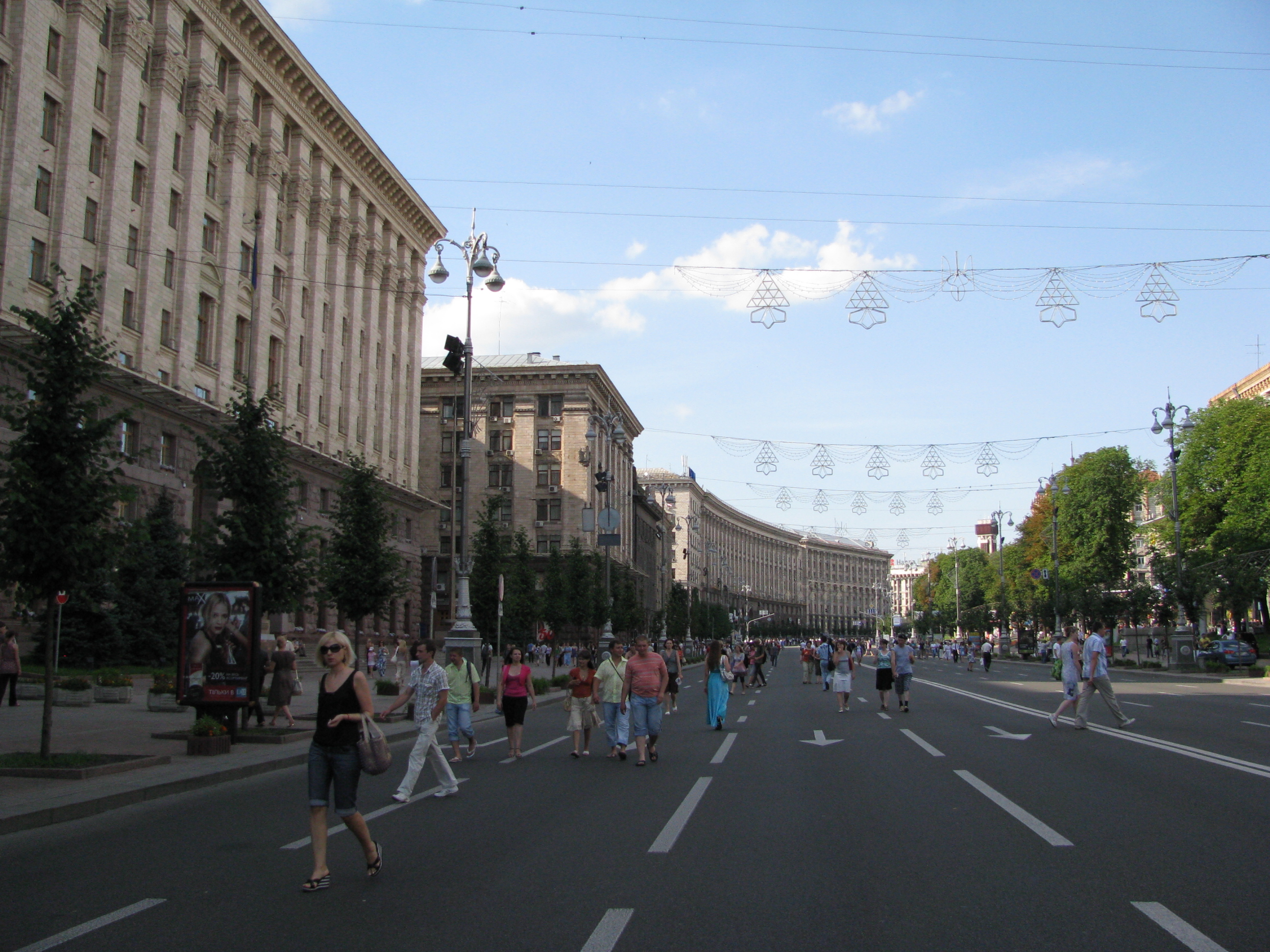 Belebte Straße im Zentrum von Kiew als Motiv für eine Städtereise.
Photo: Ilya Kalachev
Belebte Straße im Zentrum von Kiew als Motiv für eine Städtereise.
Photo: Ilya Kalachev
Quick facts: Snow leopard photo safari
- The experience can vary greatly depending on the region, season and your personal travel goals.
- Plan a specific route around realistic travel times and sufficient breaks.
- Current operating, entry and safety information is more important than old travel accounts.
- Local rules, photography permissions and consideration for residents and workers should all be part of your preparations.
- Planning alternatives helps you stay flexible if the weather, transport or available tours change.
Among the great cats, the snow leopard (Irbis / Uncia uncia / Panthera uncia) is a unique and permanent inhabitant of high mountain regions. The snow leopard embodies the majestic, mysterious and rugged mountain world of Central Asia. It occupies the upper level of the ecosystem and can serve as a symbol for the conservation of the entire fauna of the Central Asian highlands. Survival is extremely difficult, if not nearly impossible, for this rare cat in heavily damaged mountain ecosystems. Accordingly, maintaining viable snow leopard populations is inseparable from effective protection of their natural environment as a whole.
The snow leopard is adapted to life in harsh climatic conditions. It is found in subalpine and alpine zones at elevations of 700 to over 1,500 metres above sea level. Its optimal habitat has vegetation and a snow cover that is not too deep. Its body is 100–130 cm long, and its tail measures 80–100 cm. A snow leopard can weigh up to 40 kg. According to snow leopard counts in Kyrgyzstan, the population comprises 20% adult males, 27.2% adult females and 52.8% juveniles of both sexes.
Mating takes place from January to March, and gestation lasts 100 days. Snow leopards reproduce slowly: litters range from one to five cubs, with an average of two cubs per litter. At a weight of 500 g, cubs left without their parents will die in the wild. Up to 90% of the animals are killed by shooting. Snow leopards, the kings of the Kyrgyz mountains, are not shy—they do not hurry to hide from pursuers. They are excellent jumpers: a snow leopard can leap across ravines up to 8 metres wide and clear obstacles up to 3 metres high with ease.
The snow leopard’s diet includes Siberian ibex, argali, maral deer, roe deer, wild boar, reindeer, elk, mountain hare, partridge and yak. Snow leopards sometimes descend to lower slopes during their travels in search of mountain goats. A snow leopard covers about 50 kilometres a day, and its territory can extend over as much as 600 kilometres. Snow leopards are solitary, even though they share their territory with other snow leopards. In the wild, a snow leopard lives no longer than 20 years.
Photo safari season: opens in June and runs until mid-December.
Tour duration: 20 to 25 days, of which 17 days are devoted exclusively to the photo safari.
Tour conditions: The safari begins on horseback and then continues on foot.
The closest possible approach to the animal is 500
Number of participants: 1–2 (a maximum of 5 participants is recommended).
Climate: nighttime temperatures in the mountains can reach 15 degrees below zero; daytime temperatures can reach +20 degrees.
Tour itinerary:
• Day 1: Meet at Manas Airport in Bishkek, then travel to the planned hunting location;
• Day 2: Acclimatization
• Days 3–20: Photo safari
• Day 20: Return from camp to Bishkek and check in at a guesthouse;
• Day 22: Rest, city tour; departure
Tour cost: from US$1,500 to US$2,500 per person
The following services are offered during the photo safari:
• Three meals a day, according to the hunter’s preference. European and Kyrgyz national dishes are available.
• Alcoholic (in limited quantities) and non-alcoholic beverages during the stay at camp.
• Interpreter.
• Accompaniment by an experienced hunter.
• Horses (2 horses for each client)
The client must be in good physical condition and bring the following:
• A complete set of photographic equipment (cameras, video equipment, interchangeable lenses, telephoto lenses, tripods, extra data storage media if using a digital camera, and binoculars).
• Comfortable footwear suitable for mountain hiking (autumn boots, winter boots and spare footwear).
• Special clothing (lightweight and warm clothing, and camouflage clothing if possible), hats (a cap and a wool hat), warm thermal underwear and lightweight gloves.
• Sunglasses and wind-protection glasses.
• Sleeping bag (provided in an emergency).
• Sunscreen.
Additional information for “photo hunters”:
A 220 V power supply is available at all overnight stops for charging batteries.
A photo safari must be booked in advance, at least 60 days before the intended arrival date.
You can extend or shorten your stay in Bishkek and other places. We can also change the hunting programme at the client’s request.
Many details about the hunt are not provided here because they depend on the client’s preferences. All requests and questions will be discussed during the booking process.
Putting a photo safari in context
A snow leopard photo safari in Kyrgyzstan is first and foremost an experience of nature and patience. Snow leopards live in high-altitude, hard-to-reach mountain areas and cannot be reliably spotted. Reputable tours therefore focus on landscapes, tracking, protected areas, local guides and keeping a respectful distance—not on guaranteed sightings.
Season, altitude, fitness, binoculars or a telephoto lens, warm clothing and enough reserve days are all important when planning. This kind of trip can be combined with other destinations in Kyrgyzstan, such as Osh or routes through the mountain regions. Before booking, check the tour operator, conservation rules, weather and travel advisories for the latest information.
Practical preparations
For broader context, wildlife watching and nature trips are a good starting point. A travel checklist, up-to-date information on getting there and transport, and maps saved for offline use can all help with preparations. Double-check documents, addresses and booking details before setting off. If you are linking several stops, avoid relying on the very last available connection for your return. For a snow leopard photo safari, match your accommodation location with the main daily routes and realistic breaks.
Wildlife watching and nature trips and history and memorial sites and cities and architecture and rivers, waterfalls and gorges can all help with preparations when routes, timing and current conditions are considered together.
Lakes and wetlands and peaceful nature breaks and travel checklist and itinerary and more holiday ideas can all help with preparations when routes, timing and current conditions are considered together.
The best travel decision is based on a suitable pace and information that can be verified. Compare the specific purpose of your trip with its duration, budget, routes and the kind of stay you want. If part of the plan remains uncertain, a shorter leg or a different type of trip may be the more reliable option. For a snow leopard photo safari, the route conditions, weather, daylight and a safe return matter alongside the subject you hope to photograph.
FAQ
How can this experience be incorporated into an itinerary?
Fit it into a realistic day or multi-day section, and allow for travel time, breaks and an alternative.
Which details need to be up to date?
Check access, opening times, transport, costs, and any safety or entry requirements shortly before travelling.
What should I bear in mind about older information?
Older texts can explain the history and geographical context; current decisions require additional sources.
