
Nesebar
Accommodation in Nesebar
Nesebar combines a historic Old Town on a narrow peninsula with coastal resorts and protected natural areas in the municipality.
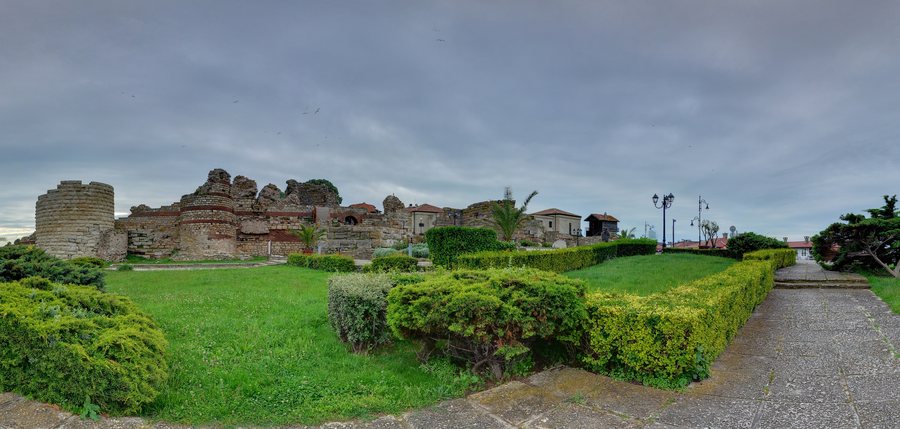
Nesebar at a glance
The Nessebar Architectural and Historical Reserve extends across a peninsula in the Old Town that is 850 m long and 350 m wide. The urban structure of the ancient city contains elements dating from the second millennium BC, antiquity and the Middle Ages. The Old Town therefore provides a tangible starting point if you are interested in the town’s long history.
The first-class road I-9 and the third-class road III-906 run through Nesebar Municipality. The routes mentioned include Varna–Obzor–Dyulino and Kableshkovo–Burgas. These road connections can help you plan your journey or onward travel through the region.
What culture can you discover in Nessebar?
The Archaeological Museum presents material culture from Mesambria, Mesemvria and Nessebar dating from antiquity, the Middle Ages and the Bulgarian National Revival. The Moskoiani House offers a different perspective: its ethnographic exhibition features traditional costumes and textiles from the Burgas region.
The churches also offer a glimpse of historic architecture. The Church of Christ Pantocrator stands in the centre of the Old Town and was built in the 13th to 14th centuries. The Church of St Stephen, also known as the New Metropolitan Church, was built in the 11th to 13th centuries. In Ravda, the Church of St Paraskeva was built in 1884. If you are interested in religious buildings, you can take these different construction periods into account when planning your trip.
A walk through the old part of Nessebar takes you along narrow, cobbled streets. Small shops sell handmade souvenirs, knitwear, crochet work and jewellery. This lets you combine an interest in history with a stroll around the Old Town.
How do the coast and nature differ?
The coastal resorts have different beach profiles. Cape Ravda divides the beach area in Ravda into two bays, covering 57,000 m². In summer, Ravda has sports schools for sailing, water skiing, windsurfing, rowing and swimming. The resort may therefore be especially interesting for travellers who would like to include these water sports in their holiday plans.
The beach area in Obzor is more than 10 km long and between 20 and 60 m wide. The coast at Sveti Vlas is divided into three beaches; the Central Beach is about 1,000 m long and averages 16 m wide. These figures describe different resorts and stretches of beach—choose your focus according to the coastal profile that interests you.
Protected nature is also part of the municipality’s character. The Smirkite protected area near Obzor covers 58.9 ha and preserves a natural stand of red firethorn and its associated plant community. The Kalinata protected area is located in the territories of Kosharitsa and Tunkovo. It covers 109.2 ha and protects a natural occurrence of marsh helleborine and a unique plant community in a riparian forest.
In the territory of Emona, the Cape Emine natural monument protects notable geological and botanical features. The Sand Dunes—Babata Area—Sunny Beach natural monument is in the territory of Nessebar, covers 94.4 ha and also protects notable botanical and geological features. This means the municipality offers different natural points of interest, including both plant communities and geological features.
When comparing hotels in Nesebar, you can start by choosing the type of trip you want: the Old Town and its museums offer a cultural focus, Ravda combines bays with summer sports schools, and Obzor has a beach area more than 10 km long. These are distinct profiles of the different resorts; the facts given here do not describe the amenities of individual accommodations.
The municipality also includes the settlements of Priseltsi, Ravda, Kosharitsa, Nessebar, Obzor, Tankovo, Koznitsa and Emona. Other settlements include Sunny Beach and Gyulyovtsa. The place names can help you distinguish between different parts of the municipality when searching.
FAQ
Which periods does the Archaeological Museum cover?
It presents material culture from Mesambria, Mesemvria and Nessebar dating from antiquity, the Middle Ages and the Bulgarian National Revival.
What distinguishes the beaches in Ravda and Obzor?
Cape Ravda divides the 57,000 m² beach area into two bays. The beach area in Obzor is more than 10 km long and between 20 and 60 m wide.
Which protected natural areas are there in the municipality?
The areas described include Smirkite near Obzor, Kalinata in the territories of Kosharitsa and Tunkovo, Cape Emine in the territory of Emona, and the Sand Dunes—Babata Area—Sunny Beach natural monument in the territory of Nessebar.
For the wider travel overview: Burgas Province.

