
Ořech: Hotels and accommodations
Accommodation in Ořech
Ořech combines historical landmarks with paths through forest and natural areas. The town’s history includes a church with medieval origins, a parish house documented since the 14th century, a square named after a writer, and the historic Kalinův mlýn.
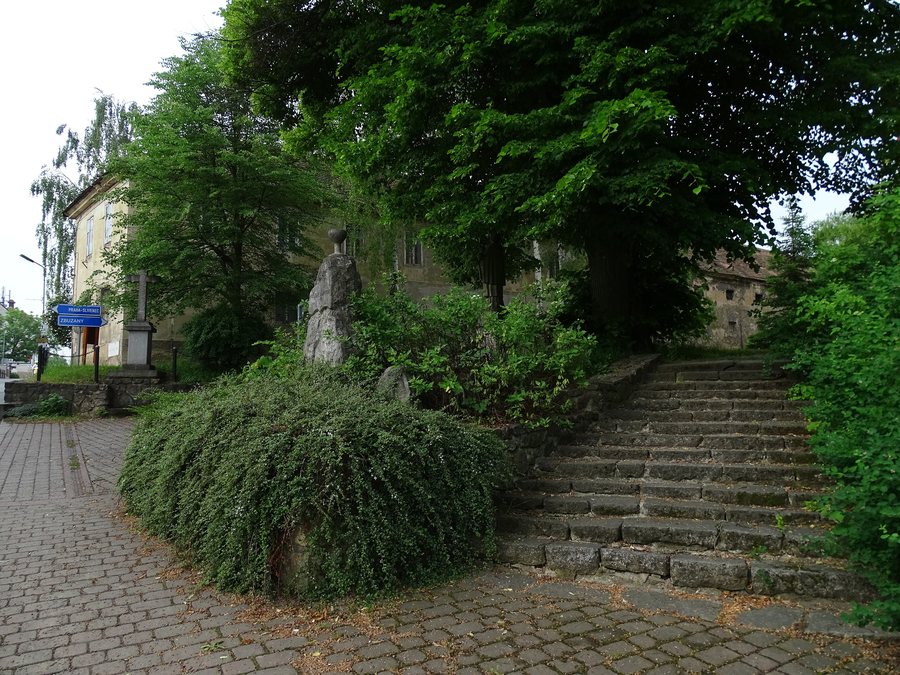
Culture and history
The original form of the church “Kostel Stětí sv. Jana Křtitele” dates back to 1352. The first written mentions of the Ořech parish house date from the 14th century; its current form dates from 1761. Baarovo náměstí also refers to the town’s history: the square is named after the writer J. Š. Baar, who served as a priest in Ořech in the years 1895–1897 and 1909–1919.
Another historical detail dates back to 1781. At that time, Marie Dix decided to have a statue of Saint John of Nepomuk erected in memory of her husband’s death. Ořech’s new cemetery was established in 1840 outside the village on the road to Slivenec.
Nature and trails
Hájovka is a local forest and natural area used for walks and direct contact with nature. The “Hájovka” avenue also provides a pedestrian connection from Ořech to Zmrzlík.
Kalinův mlýn is located on a route through the valley of the Radotínský potok. The first historical records documenting the existence of Kalinův mlýn date from the 16th century.
Getting there
The Ořech stop is served by RegBus line 301.

