
Ohrozim: Hotels and accommodation
Accommodation in Ohrozim
Ohrozim is home to the Neo-Romanesque Church of St. Wenceslas, which is considered a landmark of the town. It was built between 1853 and 1855.
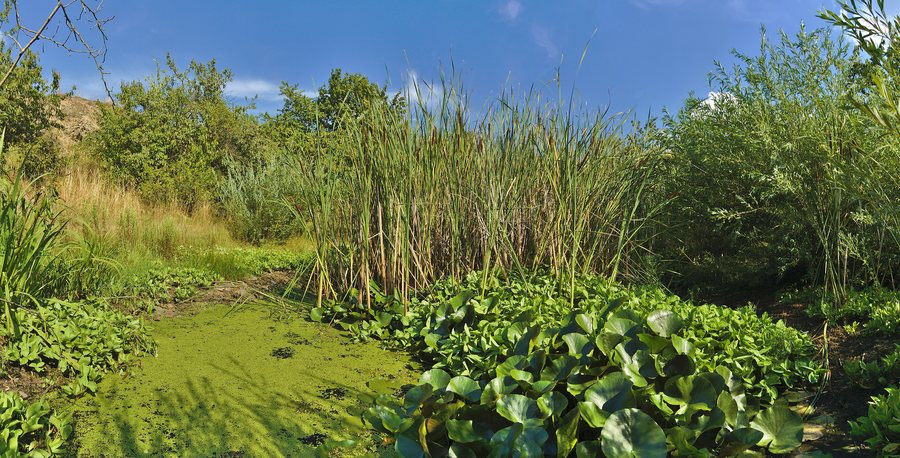 File:Přírodní památka Ohrozim-Horka, okres Prostějov (06).jpg
Photo: Jiří Komárek via Wikimedia Commons, CC BY-SA 4.0
File:Přírodní památka Ohrozim-Horka, okres Prostějov (06).jpg
Photo: Jiří Komárek via Wikimedia Commons, CC BY-SA 4.0
History and architectural heritage
The parish church of Ohrozim was first mentioned shortly after the middle of the 14th century. A medieval settlement called Lhotka was located within the cadastral area of Ohrozim. Based on its finds, the Horka burial mound field can be attributed to the Funnel Beaker culture, more precisely to the so-called Ohrozim type. It comprised a total of approximately 27 burial mounds; excavations uncovered 57 graves. A windmill once also stood on Horka above Ohrozim, and traces of burial mounds have been preserved there. Horka above Ohrozim offers views across the Prostějovsko region.
Nature and landscape
Čubernice is a 2.3041-hectare natural monument, first designated on 22 August 1952. It protects populations of thermophilous plants, their plant communities, the associated fauna, and open grass- and herb-rich areas.
The Ohrozim-Horka natural monument lies approximately 1 km northwest of Ohrozim and protects the habitat of the great crested newt (Triturus cristatus).
Geographical location
Road II/150 leads from Prostějov to Ohrozim. Near Ohrozim, a concrete section is one of the few surviving remnants of the Plzeň–Ostrava trunk road built in the 1930s.
Other places
Other places in the same higher-level area: Dzbel, Laškov, Ludmírov, Smržice, Nezamyslice, Vrbátky, Stínava, Hvozd.
To the higher-level travel overview: Prostějov District.

.jpg)