
Výrov: Hotels and Accommodation
Accommodation in Výrov
Výrov combines an early local history with buildings, memorial sites, and local traditions.
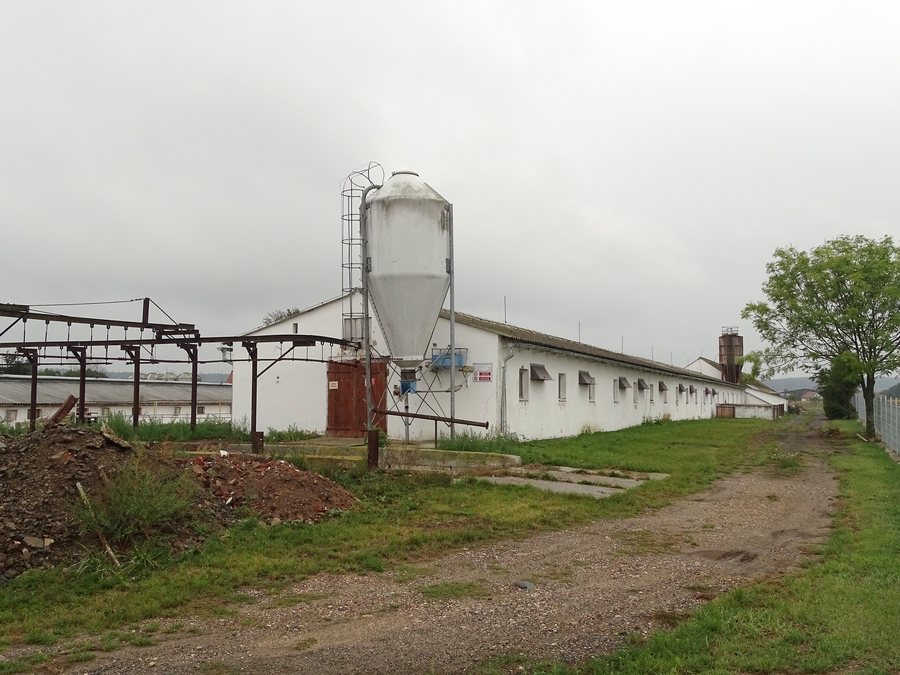 File:Výrov, zemědělský areál Kralovická zemědělská a.s..jpg
Photo: User:Adam Hauner via Source, CC BY-SA 4.0
File:Výrov, zemědělský areál Kralovická zemědělská a.s..jpg
Photo: User:Adam Hauner via Source, CC BY-SA 4.0
History and Culture
Výrov was probably founded around 1300 and was first mentioned in writing in 1307. During the Thirty Years' War, much of the village was burned down after Swedish raids in 1639.
The Chapel of St. Vojtěch in Výrov was built in 1901 with contributions and the support of all local residents, as well as people originally from Výrov. A memorial to the fallen stands in front of house no. 30.
Architectural Heritage and Memorial Sites
The Sechutice farm complex in Hadačka, Výrov, is a large rectangular complex with a dominant granary, two gates, long stable and livestock wings, and a barn with three threshing floors. Due to its authentic Baroque layout and high-quality construction, it is one of the most valuable and best-preserved farm complexes of Plasy Monastery.
A stone memorial cross stands on the grounds of the farm complex. The wooden bell tower of Výrov is located on the road between Výrov and the Hadačka district.
Community
The founding of the Výrov-Hadačka Volunteer Fire Brigade has been documented in writing since 1901. Its early cultural activities included carnival processions and social gatherings. The annual program of the Výrov-Hadačka Volunteer Fire Brigade includes Masopust.
Cycling Routes and Landscape
The 37-kilometre “Baroko I” cycling route passes through Výrov and Sechutice. The “In the Footsteps of the Cistercians” cycling route also runs through Výrov and Sechutice.
The Bučecký stream flows through Výrov.
Other Places
Other places: Zihle, Vochov, Ostrov U Bezdružic, Krašovice, Přehýšov, Kralovice, Lochousice, Trnová
To the main travel overview: Plzeň-North District.

