
Kleneč between Natural Monument and Village History
Accommodation in Kleneč
In Kleneč, the Bohemian sand pink (Dianthus arenarius subsp. bohemicus) occurs naturally worldwide only in the Kleneč National Nature Monument. The protected plant must not be picked. When you consider nature, local history, and fixed dates side by side, you can compare different approaches to the same destination without mixing the topics.
When comparing hotels in Kleneč, first check the travel dates, room category, and cancellation conditions on the respective offer page. For your own planning, you can compare this information with your preferred focus on nature, village history, or event dates.
Nature
Kleneč is designated as a National Nature Monument. The Kleneč National Nature Monument protects continental sand steppe, sandy grasslands, dry lowland and upland heathlands, and an acid-soil oak forest on sand. It is home to other rare plants and invertebrates associated with sandy soils. The Karfilát slopes east of Kleneč are a National Nature Monument.
The Kleneč National Nature Monument is designated as a destination for cycling and tourism. The various natural features can be organized for your own planning by habitat, plant life, animal life, and activity; which level you explore further is up to your own daily itinerary. Those who wish to give different weight to landscape and exercise can consider these aspects separately side by side.
Location and Village
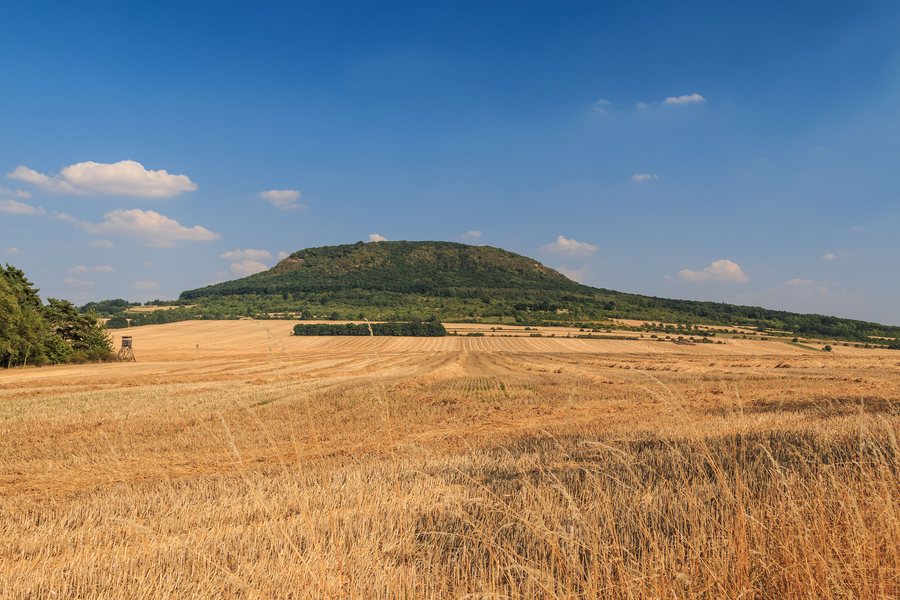
Kleneč lies in a valley on the Čepel stream, west of Říp Mountain and south of Roudnice nad Labem. The village buildings lie on both sides of the Čepel stream along the district road to Roudnice. Kleneč can be reached by both train and bus.
The village includes two smaller ponds. Kleneč also has two outlying mills: Lagroun to the north and Lorencův to the south. You can use the location, means of transport, and smaller parts of the village as separate pieces of information for your travel planning.
Further destinations: Velemín, Prackovice Nad Labem, Vražkov, Chotiměř, Roudnice Nad Labem, Štětí, Dobříň, Třebenice.
History and Culture
Kleneč has been mentioned in written records since around 1530. In 1923, a monument to those killed and deceased in the war was erected in the middle of the village square. Those wishing to explore history through years and visible local features can regard these two details as different cultural points of reference.
Events
On January 27, 2024, SDH Kleneč held Masopust. In October 2024, the traditional Strašidlácký pochod event took place in Kleneč. The Myslivecký ples is held annually in Kleneč.
Specific dates and recurring events can be considered separately for your own planning. The publicly accessible Poslední leč in Kleneč preserves hunting traditions such as a hunting court, as well as ceremonial appointments as hunter and gamekeeper.
Masopust and Strašidlácký pochod are associated with specific dates in 2024, while the Myslivecký ples is held annually. Poslední leč supplements this event information with a publicly accessible occasion featuring a hunting court and ceremonial appointments as hunter and gamekeeper.
For the higher-level travel overview: Litoměřice District.

