
Discover Ásványráró
Accommodation in Ásványráró
Ásványráró brings together protected landscapes, distinctive buildings and regional everyday culture. For your trip planning, it is worth considering both: the natural areas and waters, as well as the local sights and their individual features.
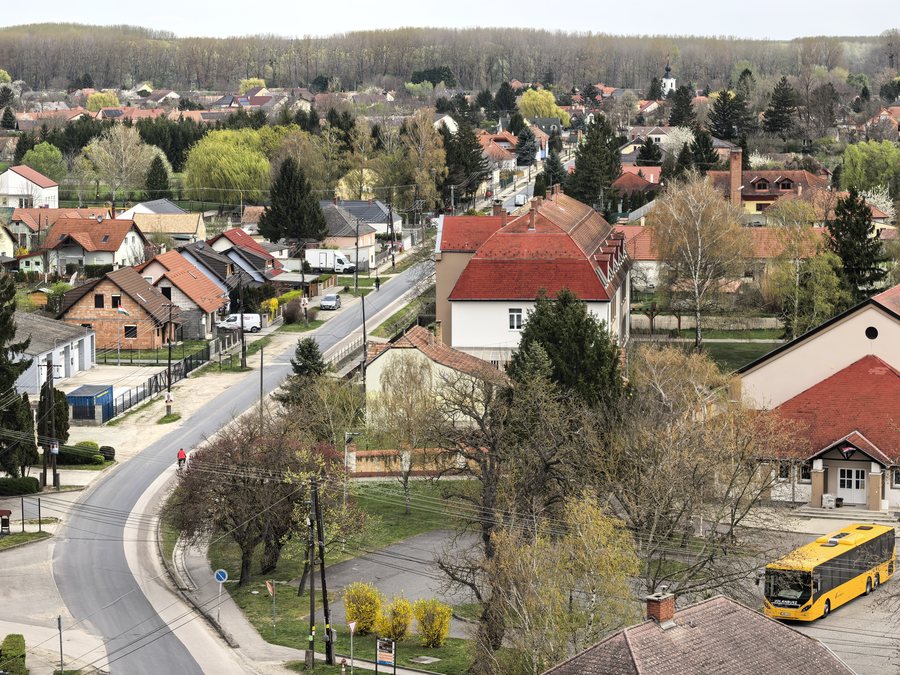
Quick facts about Ásványráró
- Ásványráró’s wetlands, forests and meadows are part of the Szigetközi Landscape Protection Area.
- The waters accessible from Ásványráró are protected; access is restricted in some areas.
- The Rárói Szent Rókus Church was built by the Wenckheim family in 1903.
- The Tájház presents a farmhouse furnished with regionally characteristic furniture and typical objects from the Szigetköz.
What defines the landscape around Ásványráró?
Wetlands, forests and meadows give Ásványráró a strong connection to nature. These areas are among the locality’s valuable natural and scenic landscapes and are part of the Szigetközi Landscape Protection Area. If you are comparing destinations by landscape and culture, this offers a clear point of reference: natural and protected areas are just as much a part of the local character as its buildings.
The waters accessible from the area are also protected. However, access varies: areas outlined in yellow are inaccessible from 15 March to 15 June; areas outlined in red cannot be visited at all. Check the current map and applicable rules before planning. This will help you account for time and location restrictions before considering an outing to the waters.
Which cultural sites can you explore in Ásványráró?
The local sights represent different aspects of architectural and everyday culture. The Rárói Szent Rókus Church was built by the Wenckheim family in 1903. The Kálvária is known as Hungary’s earliest known building with a triangular ground plan—an unusual architectural feature that distinguishes it from the other sites mentioned.
At the Tájház, you can explore local history from a different perspective: the farmhouse is furnished with regionally characteristic furniture and typical objects from the Szigetköz. Together, the church, Kálvária and Tájház offer different themes for a culture-focused visit, while each retains its own distinctive emphasis.
What else does the wider destination offer?
The wider destination of Győr-Moson-Sopron County offers further landscape and cultural themes. The Fertő/Neusiedler See Cultural Landscape includes Eurasia’s westernmost steppe lake, as well as wetlands, saline soils, reed beds and shoreline areas. Lake Neusiedl is at the heart of Fertő-Hanság National Park; the Hungarian part of the lake has been protected since 1977. This information relates to the wider destination, not Ásványráró itself.
Pannonhalma Archabbey and its natural surroundings are also part of this broader theme. The Benedictine monastery was founded in 996. The World Heritage property includes the monastic complex, basilica, educational buildings, the Chapel of Our Lady, the Millennium Chapel, and botanical and herb gardens. In Fertőd, Esterházy Palace is an outstanding example of Hungarian Baroque-Rococo palace architecture. These examples complement the local perspective with distinct cultural and landscape themes from the wider destination.
How do you choose suitable accommodation for your trip?
First, consider what you want your stay to focus on: the protected landscape around Ásványráró, its local buildings and the Tájház, or other cultural and landscape highlights in the wider destination. If you are planning trips to the accessible waters, also consult the current map and rules.
Discover more destinations: Hédervár, Lébény, Halászi, Várbalog, Lipót, Dunakiliti, Kimle and Feketeerdő.
FAQ
When are the yellow-marked water areas inaccessible?
The areas outlined in yellow in the waters accessible from Ásványráró are inaccessible from 15 March to 15 June. Check the current map and applicable rules before planning.
What is included in the Pannonhalma Archabbey World Heritage property?
It includes the monastic complex, basilica, educational buildings, the Chapel of Our Lady, the Millennium Chapel, and botanical and herb gardens. The Benedictine monastery was founded in 996.
What is the Kálvária in Ásványráró known for?
It is considered Hungary’s earliest known building with a triangular ground plan.
To the wider destination overview: Mosonmagyaróvár.

