
Dunakiliti
Accommodation in Dunakiliti
Dunakiliti combines experiences along the Danube branches with nature-based walks and a rich local history. When planning your trip, you can decide whether to focus on water and landscapes or on churches, chapels, and Batthyány Castle.
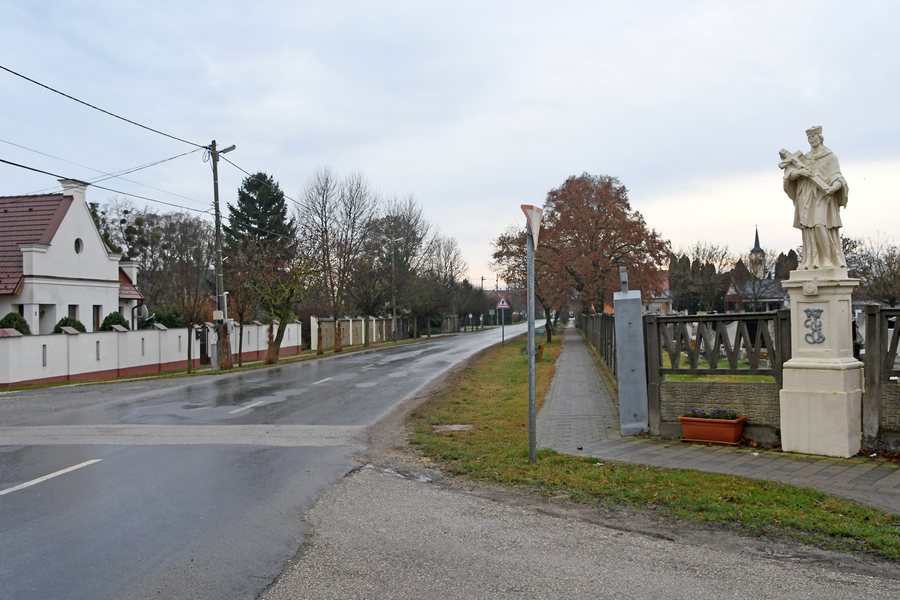 File:Dunakiliti, Nepomuki Szent János-szobor 2021 01.jpg
Photo: Pasztilla aka Attila Terbócs via Wikimedia Commons, CC BY-SA 4.0
File:Dunakiliti, Nepomuki Szent János-szobor 2021 01.jpg
Photo: Pasztilla aka Attila Terbócs via Wikimedia Commons, CC BY-SA 4.0
Dunakiliti at a glance
- At the Kisrévi-Duna-ág, there are opportunities to relax by the water and fish; the Danube branches at the edge of Dunakiliti are also suitable for canoe trips.
- Sights include specially protected waterside areas, churches and chapels, and Batthyány Castle.
- The Péter-Pál-napi falunap has been held on the last Saturday in June since 1994.
What water and nature experiences does Dunakiliti offer?
You can consider relaxing by the water and fishing at the Kisrévi-Duna-ág. The Danube branches at the edge of the village are also suitable for canoe trips and fishing. If you prefer to explore on foot, Dunakiliti offers opportunities for walks in a natural setting. This lets you treat different interests in water and outdoor activities as separate priorities for your stay, rather than combining them into a single excursion.
Tourist attractions include specially protected waterside areas, including the surroundings of Bozi Bridge and the Kisrévi-Duna-ág. The small Pintér híd footbridge crosses the Kisrévi-Duna-ág between Dunakiliti and Tejfalusziget. Another place to stop and relax is the Millenniumi tölgy in front of the church: in summer, its canopy shades a bench beneath the tree where visitors can rest.
What do the churches and chapels tell us about the village?
The Neo-Gothic Roman Catholic Church of Szent Kereszt Felmagasztalása is known for its stained-glass windows. Its architecture is defined by three naves, pointed vaults, pointed-arch windows, and rose windows. The church was renovated in 2010. A small chapel beside the entrance houses a relic of László Batthyány-Strattmann, beatified in 2003 and known as the “Doctor of the Poor.”
The chapels in the village and in Tejfalusziget also represent different chapters in local history. Countess József Batthyány, née Batthyány Ludovika, had the Batthyány Chapel in Dunakiliti built in 1875. In Tejfalusziget, Bozi Mihály began building a family chapel, the Szent Mihály-kápolna, in 1935. These dates and names offer points of reference if you want to focus on local architectural and church history during your visit.
Batthyány Castle adds to this historical connection: Dr. László Batthyány-Strattmann was born there. A memorial room was established in the castle in 2000. When looking for a hotel or other accommodation in Dunakiliti, you can first decide what interests you most: water and nature experiences, or local church and castle history.
What can you expect at the Péter-Pál-napi falunap?
The Péter-Pál-napi falunap has been held on the last Saturday in June since 1994. The festivities include a communal village breakfast, an agricultural parade, a fair, and a celebration. The event offers a special opportunity to get to know Dunakiliti beyond its natural and cultural sites, as part of this village festival. If you want to plan your visit around it, the key date is the last Saturday in June.
For other destinations to compare: Hédervár, Lipót, Mosonmagyaróvár, Dunakiliti-Tejfalusziget, Feketeerdő, Dunasziget, Halászi and Kimle.
FAQ
What activities are available on the water?
You can relax by the water and fish at the Kisrévi-Duna-ág. The Danube branches at the edge of Dunakiliti are also suitable for canoe trips.
What is the Millenniumi tölgy?
In 1896, the people of Dunakiliti planted seven oak trees; six later died. The surviving oak, called the Millenniumi tölgy, stands in front of the church and shades a bench in summer.
When is the Péter-Pál-napi falunap held?
It has been held on the last Saturday in June since 1994. The program includes a communal village breakfast, an agricultural parade, a fair, and a celebration.
For the broader travel overview: Mosonmagyaróvár.

