
Leova District: Culture, Landscapes and Routes
Accommodation in Leova District
Leova District lies on the Prut. Historical sites, museums and tourist routes offer visitors a variety of ways to explore the region.
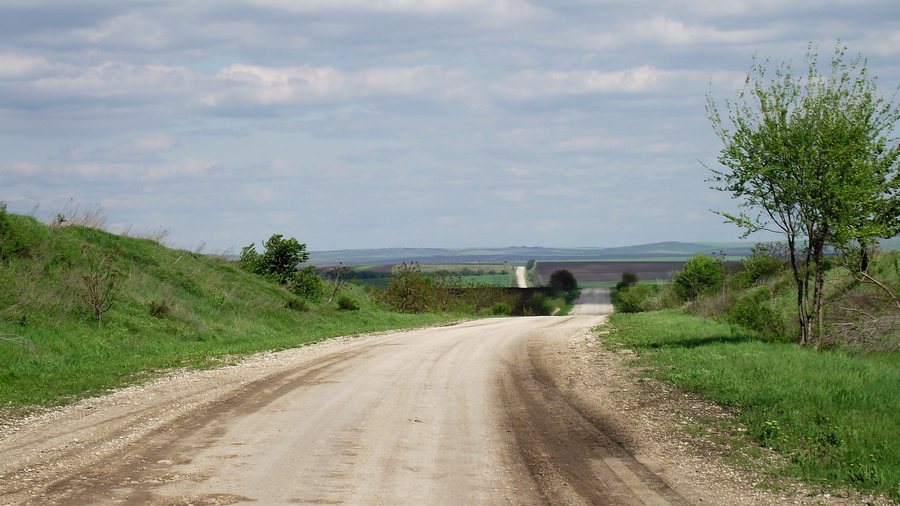 File:Leova District, Moldova - panoramio (1).jpg
Photo: Анатолий Зубанюк via Wikimedia Commons, CC BY 3.0
File:Leova District, Moldova - panoramio (1).jpg
Photo: Анатолий Зубанюк via Wikimedia Commons, CC BY 3.0
Key facts about Leova District
- Leova lies on the banks of the Prut.
- The Moldovan section of “Valul lui Traian de Sus” is 138 kilometres long in total, begins in Leova and then runs eastward through the districts of Cimișlia and Căușeni.
- Cazangic is 1.5 kilometres from the Chişinău–Cahul national road.
- The Sărata River is a tributary of the Prut and has more than 60 ponds, including Sărata Nouă, Cneazevca, Caracui and Sărata Galbenă.
Which cultural sites define Leova?
A good introduction to the city’s history is the Leova History and Ethnography Museum. It is housed in a 19th-century building, manages 10,798 objects and has two exhibition halls. This gives visitors several concrete ways to engage with regional history, not only through individual buildings but also through collections.
Leova was mentioned in a document dated 26 August 1806 as a market town; the document records its connection with merchants who came to the fairs. Its architectural history is also diverse: the Sf. Parascheva Church was built of stone in 1818. The archaeological monument “Valul lui Traian” extends for 1,450 metres within the city. As a fortification from Late Antiquity, it was first mentioned in a document in 1489.
Which places complement a cultural trip?
The Codrii Tigheciului border the commune around Tigheci. “Cetăţuia Cociulia”, the site of a former Geto-Dacian fortress, is located there. The Tigheci Village Museum is housed in the manor of the boyar Buicliu, dating from the early 19th century. Covurlui is also home to the wooden church “Sfântul Gheorghe”.
The church “Sfinţii Arhangheli Mihail şi Gavriil” offers further traces of ecclesiastical history. It was built in 1895 in the Russian style, with craftsmen from Italy involved in its construction. Old documents also mention that one half of the church was a monastery. The church therefore adds to the region’s historical points of interest.
Which landscapes and routes can be combined?
The “Lăpuşniţa” wetland in Sărata-Răzeşi covers 168 hectares. Near Leova lies the “Buzgana” area, also called “Lebăda albă”, with rare, legally protected floodplain plants.
Two tourist routes are described for a trip with several stops. One runs from Borogani via Tigheci, Baiuş and Sărata-Nouă to Cazangic. A second runs from Leova via Sărata and Rezeşi to Tomai. When choosing accommodation, you can therefore first decide which places and routes should be the focus. The information about Cazangic is also relevant for transport planning, as the village lies 1.5 kilometres from the Chişinău–Cahul national road.
How do you choose the right accommodation location?
When searching, compare not only the type of accommodation but also the focus of your trip. If you plan to visit museums and churches, searching with Leova as your destination may be useful. If, on the other hand, you plan to visit several villages and route stops, you should first determine the order of your visits and the respective starting points. This allows you to align the accommodation location with the planned order of your visits.
For further comparisons among the available travel destinations, you can also visit Rezina, Straseni, Dubasari, Făleşti, Ștefan Vodă District, Sîngerei District, Anenii Noi and Causeni.
FAQ
What characterises Leova District?
Leova lies on the Prut. The region’s identity also includes museums, churches, the historic fortification “Valul lui Traian”, wetlands and tourist routes.
Which tourist route begins in Leova?
One route runs from Leova via Sărata and Rezeşi to Tomai. Another route runs from Borogani via Tigheci, Baiuş and Sărata-Nouă to Cazangic.
How long is “Valul lui Traian”?
The Moldovan section of “Valul lui Traian de Sus” is 138 kilometres long in total. Within the city of Leova, the archaeological monument “Valul lui Traian” extends for 1,450 metres.
Which museums and historic buildings are there?
The Leova History and Ethnography Museum is located in a 19th-century building, manages 10,798 objects and has two exhibition halls. In Tigheci, the village museum is housed in the manor of the boyar Buicliu, dating from the early 19th century.
For the broader travel overview: Moldova.

.jpg)