
Băișoara – Trails, Culture and Crafts
Accommodation in Băișoara
Nature and Trails
The ROSCI0119 Muntele Mare Natura 2000 protected area was designated in 2007. It is crossed by two tourist trails. A 60-kilometre circular route connects Băișoara, St. Băișoara, Buscat, Muntele Boinic and Ocolișel, then returns to Băișoara.
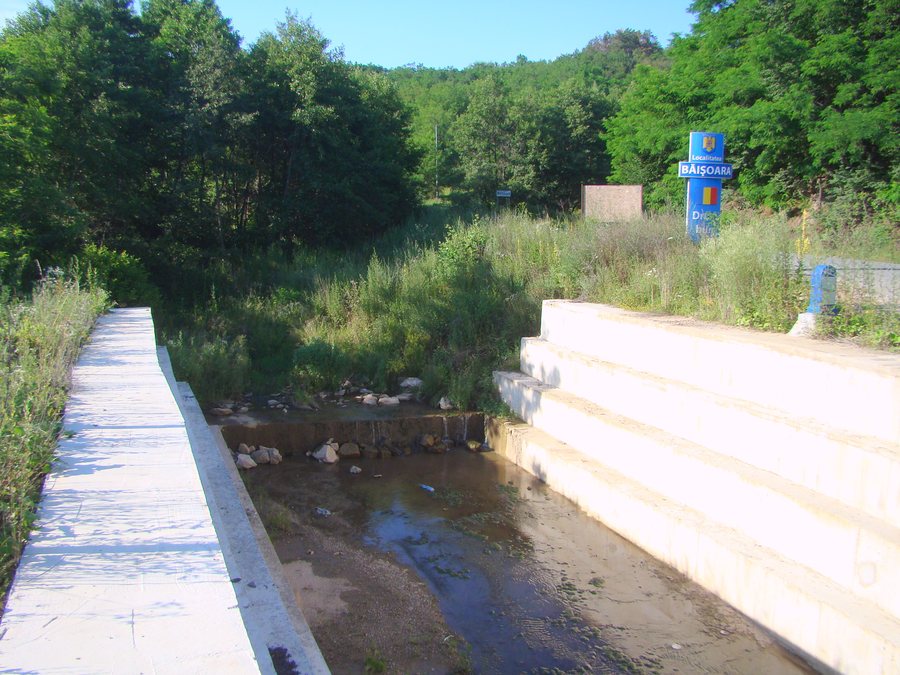
The nearby Stațiunea Muntele Băișorii is a starting point for tourist trails of varying difficulty levels. The access road to Stațiunea Muntele Băișorii branches off the DJ 107M in Băișoara, follows the Ierța Valley for 10 kilometres to the village of Muntele Băișorii, and then continues for another 8 kilometres to the resort. The different types of trails can be considered separately when planning a trip, without combining them into a single route.
When putting together a day visit, nature trails, religious buildings, historical traditions and crafts can stand alongside one another as distinct areas of focus. This makes it easier to choose between outdoor activity, local history and insights into traditional production, without combining the topics mentioned into a single attraction. Municipal and winter events also create their own seasonal highlights.
When choosing a hotel in Băișoara, travel dates, room category and cancellation policies may carry different weight. Which details are important depends on the length of your stay, your daily schedule and the desired focus of your trip; this guidance remains separate from the trails and cultural sites described.
For further reading, you can also visit the pages on Tureni, Moldovenești, Turda, Frata, Muntele Băişorii, Gilău, Izvoru Crişului and Huedin.
Culture
The Orthodox Church in Băișoara is dedicated to the Dormition of the Mother of God. Its foundation stone was laid on 14 September 1991, and the church was consecrated on 9 September 2001. The interior paintings are based on freehand drawings rather than stencils.
The final location of the Sfântul Prooroc Ilie Tesviteanul Monastery was established in 1994. In 1995, with the help of the faithful, a temporary wooden church and two monks’ cells were built. The annual patronal feast of the Sfântul Prooroc Ilie Tesviteanul Monastery is celebrated on 20 July.
In the Săcel area of the Băișoara commune, ruins can be seen at the site known as “Cetate”; according to local tradition, they are attributed to the voivode Gelu. The Vâltoarea din Băișoara is one of the few traditional installations of its kind that are still in operation. At the Vâltoarea din Băișoara, mountain water is channelled through a wooden trough into a large basin made of tree trunks.
As part of “Produs de Băișoara”, women at the association’s small workshop hand-weave carpets, bags, tablecloths and other traditional products typical of the region. “Produs de Băișoara” includes creative workshops for adults and creative groups for children focusing on old, authentic rural arts and crafts.
Events
In the Băișoara commune, “Ziua Comunei Băișoara” is listed as a cultural event. The Serbările Zăpezii in Băișoara reached its 20th edition in 2024; the event took place from 8 to 11 February 2024.
For the broader travel overview: Cluj-Napoca.

.jpg)