
Gherla between Armenian Architecture and Urban History
Accommodation in Gherla
With its distinctive urban character, Gherla has been included in the European Cultural Routes “Via Habsburg”. For your exploration, you can consider historical landmarks, sacred spaces, nature and activities as separate focal points alongside one another.
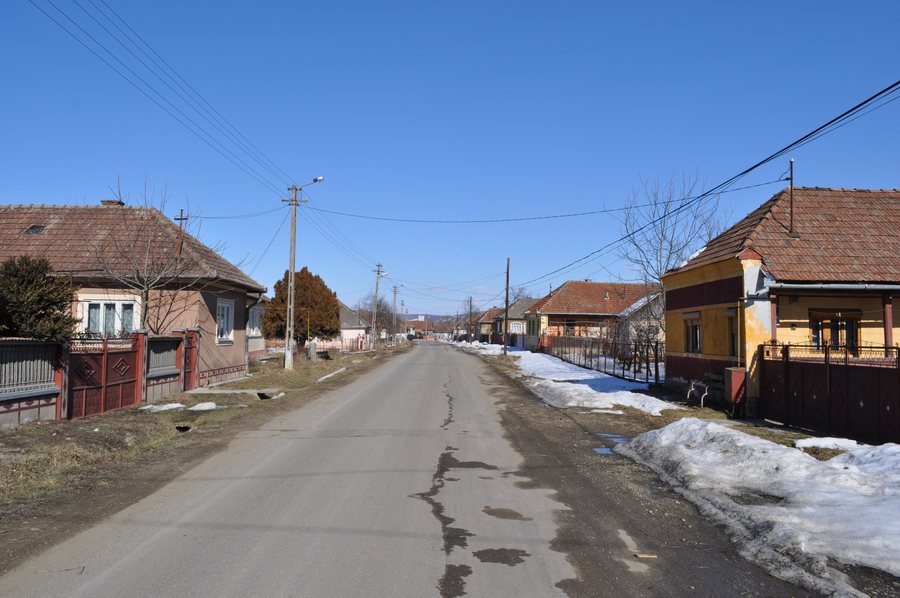
When looking for a hotel in Gherla, you can compare travel dates, room categories and cancellation conditions on the respective offer page. These details form a separate decision-making level alongside the city’s historical, sacred and landscape-related themes. This allows accommodation details and cultural focal points to be considered separately when planning your trip, without combining the different aspects into a single choice.
Culture
At the Gherla History Museum, you can see military diplomas from the Roman camp of Gherla dating from the 2nd century, including one from the year 123. The building is the Baroque Karaciany House, built in the early 18th century, and is one of the city’s listed historic buildings.
The rehabilitated Casa Lászlóffy houses the community museum called Centrul Muzeal de Istorie.
The History Museum exhibits cultural assets to the public. It has presented temporary exhibitions on weapons and military equipment, science and technology, the glass icons of the Nicula school, art and tradition on the Someșul Mic, the Cucuteni culture, as well as Armenian art and culture.
The History Museum’s library contains specialist publications on prehistory and on ancient, medieval, early modern and contemporary history. The various forms of access, from an individual document to a specialist publication, differ in their format and chronological scope.
History
The Armenian Catholic Cathedral “Sfânta Treime” was built between 1748 and 1800 and houses the oil painting “Coborârea de pe Cruce”. The “Solomon” Church is the oldest Armenian Catholic place of worship in Transylvania and was the first stone-built church in Gherla.
Its late Gothic entrance portal comes from the Reformed Church in Unguraș in Cluj County. The Chapel of Saint Mary of Loreto in the Franciscan monastery was consecrated in 1760.
The Gherla Synagogue was built in 1903 with elaborate architecture for the city’s growing Jewish population. In Gherla, Filep Elisabeta designed a room in the sicănesc style.
The history of the city’s architecture thus brings together Armenian Catholic, Jewish and Reformed influences.
At these buildings, you can compare their date of construction, style, religious context and the origin of individual elements.
Nature
Native and exotic tree species grow in Parcul Mare, including two ginkgo biloba trees. Bicycle excursions around Armenopolis are listed.
For your own planning, the park and bicycle excursions can be considered as separate topics alongside one another.
Getting There
CFR Călători Gherla is located at Strada Gării No. 6. Autogara Gherla at Strada Romană No. 2 offers passenger transport by coaches, buses or minibuses.
You can enter the two addresses separately in your arrival planning.
Other Places
You can find further destinations at Mihai Viteazu, Smida, Frata, Moldovenești, Maia, Dealu Negru, Valea Drăganului and Margau.
For the higher-level travel overview: Cluj-Napoca.

CJ_(5).JPG)