
Polovragi: Nature, Cave and Monastic History
Accommodation in Polovragi
Polovragi can be explored through its landscape, architectural history and local traditions.
When comparing a hotel in Polovragi, check the travel dates, room category and cancellation policies side by side. These three details provide a clear basis for distinguishing the conditions of the respective offers. For Polovragi, this comparison can also make the planned focus apparent alongside the travel dates: those who place the Oltețului Gorge, Polovragi Cave or the monastery's history at the center of their visit compare the details in relation to their own timeframe.
Nature
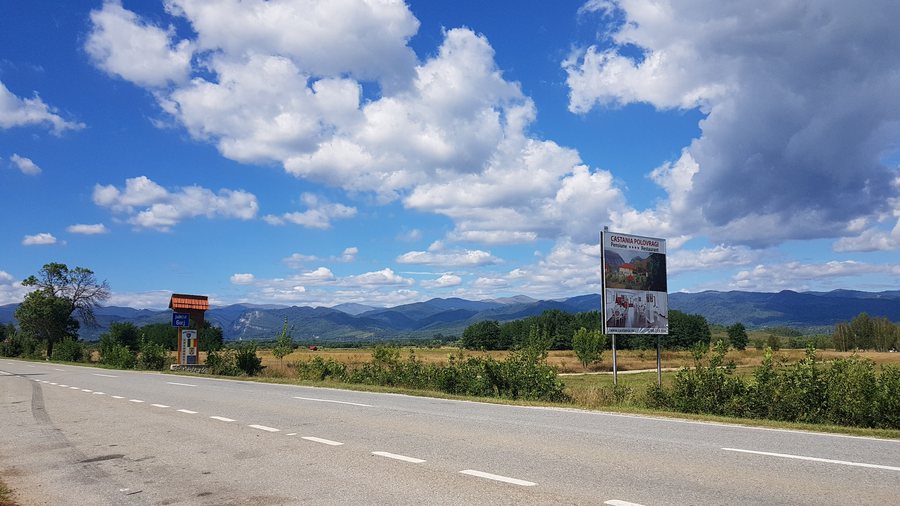
The Oltețului Gorge is part of a nature reserve of national importance. It separates the Parâng Massif from the Căpățânii Mountains. A forest road runs through the entire Oltețului Gorge; some sections were cut into the rock and pass beneath a rock overhang.
Polovragi Cave lies in the Căpățânii Mountains on the banks of the Olteț, at an altitude of 670 meters and 20 meters above the riverbed, within the municipality of Polovragi. The cave and its surroundings are associated with the Dacian culture. A mountain path leads to a plateau above Polovragi Cave; the remains of a Dacian fortress are located on the plateau. Polovragi also has an open-air exhibition featuring Dacian wooden sculptures.
For planning your day, the main themes can be organized separately: landscape, cave and mountain path form a different thematic line from the monastery, churches, market tradition and crafts. You can assign weight to these lines according to your interests and the time available.
Culture
The Mănăstirea Polovragi Monastery was built in 1648 by the boyar Danciu Pârâianu on the site of an older monastery dating from the 16th century. The Church of the Dormition of the Mother of God (“Adormirea Maicii Domnului”) at Mănăstirea Polovragi Monastery is a historic and architectural monument. Its open porch was built between 1690 and 1693 on the initiative and at the expense of Constantin Brâncoveanu. The church contains an original depiction of Mount Athos, considered unique in old Romanian painting.
The Church of the Bolnița “Sfântul Nicolae” was built in 1731–1732 and painted in 1738 by Gheorghe and Ioan. It is part of the Mănăstirea Polovragi monastery complex and was dedicated to caring for the sick and needy.
The wooden church of “Sfântul Nicolae” (“St. Nicholas”) is located in the central-eastern part of Polovragi on Drumul lui Decebal road, is a historic monument in Gorj County and dates from 1806.
History
The Nedeia de la Polovragi dates back to the 17th century and commemorates a mountain trade fair. It takes place every year on July 20. At the Nedeia, potters, sculptors, traders and farmers come together to sell products they have made themselves. The Crucea lui Ursache was erected in 1808 in memory of Ursache Căpitan de Plai.
Other Places
Săcelu, Rânca, Târgu Jiu, Turcineşti, Țicleni, Muşeteşti, Runcu, Aninişu din Deal
For the wider travel overview: Gorj.

