
Lugosch: Discover Churches, the Museum and the Timiș
Accommodation in Lugosch
Lugosch can be viewed for a stay from three perspectives: religious buildings, urban history and waterscapes. Considering these themes separately makes it possible to clearly classify different place names, construction periods, building types and landscape connections. In Lugoj, this structure is reflected in a succession of religious buildings, historical landmarks and places by the water.
Culture and History
The Roman Catholic church in Lugoj was built between 1733 and 1735. Lugoj’s present-day synagogue dates from 1843. The “Sfântul Nicolae” bell tower is considered the oldest surviving landmark of Lugoj.
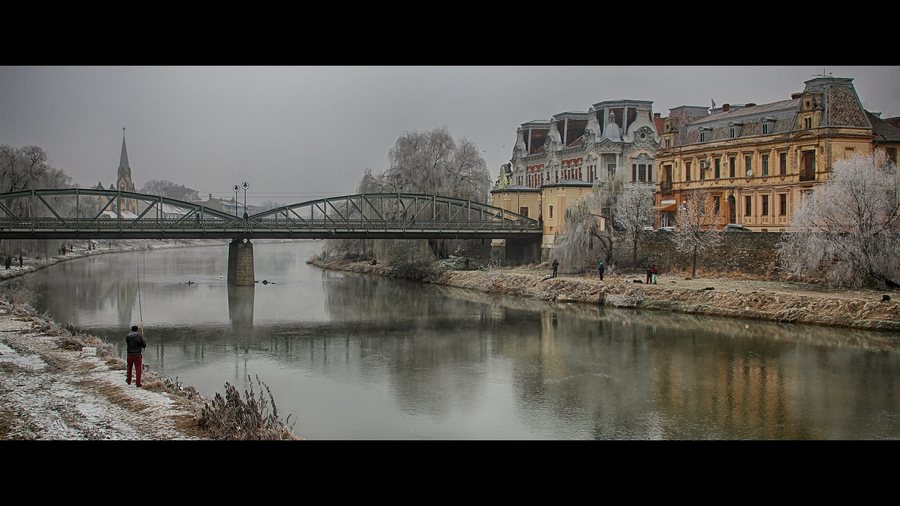
The “Sfântul Nicolae” bell tower belonged to the former “Sfântul Nicolae” church and monastery complex, which was founded in the 14th or 15th century. The Podul de Fier iron bridge in Lugoj was inaugurated in August 1902.
The Museum of History and Ethnography in Lugoj is housed in a building constructed between 1898 and 1899 with an imposing Baroque façade. It has departments for archaeology, ethnography, commemorative culture, fine arts and medieval history. A visit to the museum therefore encompasses not only the façade but also various historical approaches side by side: archaeology and medieval history provide context for earlier periods, while ethnography, commemorative culture and fine arts offer other ways of engaging with the past and culture.
The Orthodox Church of the “Adormirea Maicii Domnului” in Lugoj, also known as “Biserica cu două turnuri”, was built between 1759 and 1766 and founded by the Oberknezen Gavril Gurean.
The buildings therefore differ in terms of religious function, period of construction and recorded history.
Water and Recreation
The Timiș River runs through Lugoj and provides a natural setting for recreation. The Pescărușul fish farm covers 25 hectares. Pescărușul is considered a recreational and fishing area for local residents and tourists.
When choosing a hotel in Lugosch, you can consider travel dates, room category and cancellation conditions as separate points of comparison. This keeps the practical accommodation details distinct from the churches, museum departments, bridges, parks and waterside locations described here, while allowing you to assign your own priorities to the topics relevant to your stay.
Places in the Surrounding Area
The surrounding area of Lugoj includes the Complexul Pescăruşul Lugoj aquarium, the Monumentul Unirii Lugoj monument, the Ceasul Electric Lugoj monument, the Statuia Generalului Dragalina Lugoj monument, the Sinagoga Mică Sefardă Lugoj synagogue, the Insula Cotul Mic Lugoj island, Parcul George Enescu and Parcul Prefecturii.
The destinations mentioned add different types of places to the central buildings: monuments and the additional synagogue stand alongside an aquarium, an island and parks. This makes it possible to consider culture, connections to the water and open spaces in the vicinity of Lugoj separately.
Further destinations: Luncanii de Jos, Ghiroda, Giroc, Tomești, Sacalaz, Zolt, Buziaș, Sânnicolau Mare
For the broader travel overview: Timis.

