
Banska Stiavnica: UNESCO Heritage and Mining History
Accommodation in Banska Stiavnica
Banská Štiavnica is part of the UNESCO World Heritage site „Historic Town of Banská Štiavnica and the Technical Monuments in its Vicinity“. The town’s distinctive character includes its preserved historic centre, which was established in the 16th century. Cultural history, mining and the surrounding landscape are closely interconnected here.
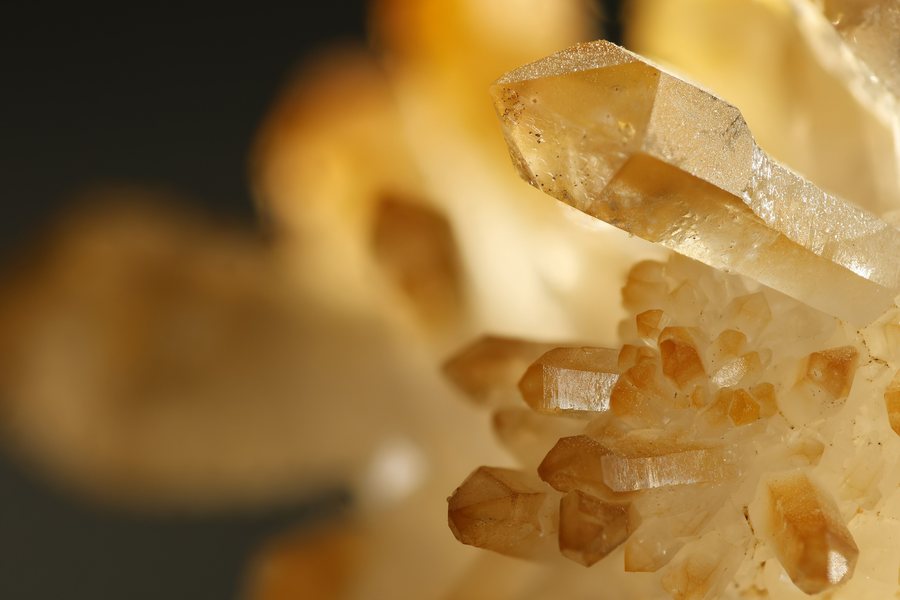 File:Quartz scepter from Banska Stiavnica Slovakia.jpg
Photo: AdamStejskal via Wikimedia Commons, CC BY 4.0
File:Quartz scepter from Banska Stiavnica Slovakia.jpg
Photo: AdamStejskal via Wikimedia Commons, CC BY 4.0
Culture
Several eras come together at the Starý zámok: the complex combines a Romanesque basilica, Gothic elements, a Renaissance fortress and Baroque art. It is also home to the archaeological exhibition „Baníci prichádzajú…“. The Nový zámok is a Renaissance fortress built between 1564 and 1571 against the Ottomans and also served as a watchtower. Its exhibition covers the military situation and the armaments of the fortresses built against the Ottomans. Weapons of the Hungarian and Turkish armies, as well as painted shooting targets, are also on display.
The historic Kammerhof is also dedicated to mining. This visitor attraction traces its development from archaeological finds to modern technologies. The exhibition presents mining work from the oldest archaeological finds through to the 20th century. The Calvary of Banská Štiavnica is a Baroque sacred complex connected with its natural surroundings. A memorial plaque in the Dedičná štôlňa Glanzenberg also commemorates the visit of Emperor Francis Stephen of Lorraine in 1751.
Mining
The Banské múzeum v prírode is located about 1 km from the town centre below the Tajch Klinger and offers tours of original mine workings. The exhibition shows the development of ore mining in Central Europe from the Middle Ages to the end of the 20th century. The underground exhibition includes a horse-powered Gápel. It is the only preserved hoisting machine of this type in Slovakia driven by a cable winding system for a mine lift.
At the Dedičná štôlňa Glanzenberg, an accessible section is 500 m long and reaches a depth of 32 m. Alongside the historic surface structures, concrete insights into underground mine workings are therefore also central to the mining history of Banská Štiavnica.
Nature and Trails
The Štiavnické Vrchy Protected Landscape Area protects the natural surroundings of the UNESCO World Heritage site to which Banská Štiavnica belongs. Under Act No. 543/2002 Coll., it forms a buffer zone covering 62,128 ha. The Tajch Klinger is one of the water reservoirs closest to the town centre of Banská Štiavnica.
The Milan Kapusta educational trail is an easy 6.1 km hiking trail along the Terézia ore vein and begins at the Červená studňa saddle. It passes the Tajch Ottergrund and offers views of Banská Štiavnica and its distinctive buildings. The starting point at Červená studňa can be reached on foot from Trinity Square in about 45 minutes via a green-marked route covering around 1.5 km.
Another easy route is the Kysihýbel educational trail. It is 6.5 km long and begins about 400 m beyond the town sign at the end of Banská Štiavnica. The trail leads to the Feismantel Garden and past a red rhyolite quarry and an underground andesite quarry.
Information
The main sights in the centre of Banská Štiavnica can be visited on foot. Hilly terrain should be expected in the historic centre. The Informačné centrum Banská Štiavnica provides information about the town and free basic maps. It also provides information about cultural monuments, museums, exhibitions, events and excursion tips.
Other Places
Other places useful for regional orientation include Dekýš, Kozelník, Vysoká, Svätý Anton, Štiavnické Bane, Ilija, Banska Bela and Podhorie.
For the higher-level travel overview: Okres Banská Štiavnica.

