
Trnava: Hotels and accommodations
Accommodation in Trnava
Culture and history
The historic center of Trnava has been an urban heritage conservation area since 1987.
In 1238, Trnava became the first Slovak city to receive the privileges of a free royal city.
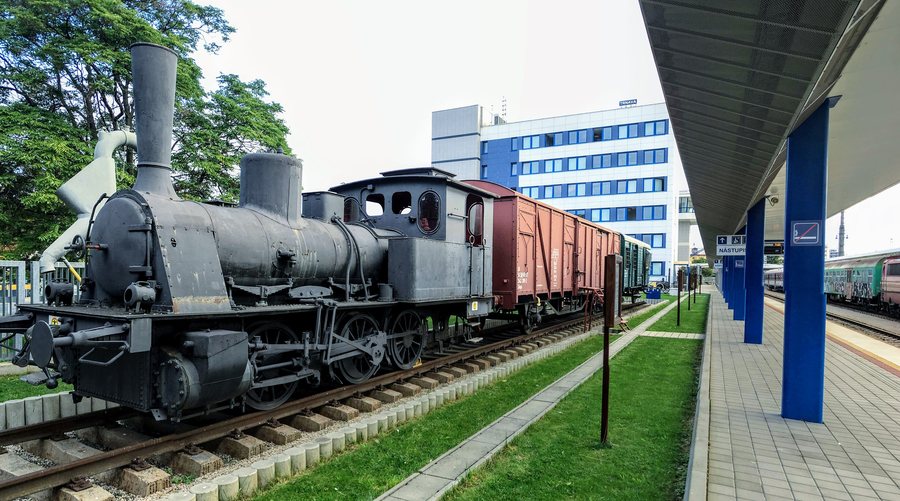
Those planning their stay in Trnava will want to book a hotel.
After the Archdiocese of Esztergom was relocated to Trnava in 1543, the city became the cultural and ecclesiastical center of the Kingdom of Hungary for almost 300 years. The fortifications of Trnava date from the 13th to the 16th century. The Town Tower of Trnava has an observation terrace offering views of Trnava and the surrounding area.
Smolenice Castle was built on the ruins of a medieval castle dating from the mid-15th century. The first work on today's Smolenice Castle began in 1887 with the adaptation of the bastions and the construction of a chapel in the southern bastion.
Sacred sites
The Cathedral of St. John the Baptist in Trnava is Slovakia's first early Baroque building. It has an original main altar made entirely of wood, dating from 1640.
The Basilica of St. Nicholas in Trnava was built between 1380 and 1421 as a three-nave Gothic basilica. The Basilica of St. Nicholas in Trnava houses a miraculous image that makes Trnava a renowned pilgrimage site.
Museums and art
The main building of the West Slovak Museum features exhibitions, exhibition rooms and courtyards open to visitors; it also includes an archaeological exhibition. The West Slovak Museum is located in a former Poor Clares' convent, which was already mentioned in Trnava in 1239.
The Mikuláš Schneidra Trnavského House of Music houses exhibitions about the composer Mikuláš Schneider-Trnavský as well as a hall of fame for the Dobro resonator guitar. It also presents an exhibition about the composer's life and work. The DOBRO Hall of Fame, newly established in 2020, is open to the public.
The Ján Koniarka Gallery in Trnava is a cultural, memorial and educational institution focusing on contemporary visual art. It organizes the international Trienále plagátu Trnava poster competition.
The former Neolog synagogue on Halenárska Street is a central exhibition venue of the Ján Koniarka Gallery. The former synagogue has served as a center for contemporary art since June 1994.
City life and the stage
The west wing of Trnava Town Hall presents the history of the city administration and provides space for art exhibitions and concerts.
The building of the Divadlo Jána Palárika in Trnava was built by the city in 1831 and is considered the oldest surviving building of its kind in Slovakia. Divadlo Jána Palárika currently stages productions for adults.
The traditional Trnava fair brings handicrafts and fairground specialties to the city center of Trnava every year.
Nature
At 768 meters, Záruby is the highest mountain in the Little Carpathians and is located near Smolenice. Mount Záruby offers easy hikes from Smolenice that are also suitable for families with children.
The Little Carpathians Protected Landscape Area includes extensive deciduous forests, meadows and forest clearings. The visitor tour in Driny Cave is 450 meters long.
More destination pages: Horné Orešany, Smolenice, Horné Dubové, Hrnčiarovce Nad Parnou, Jaslovské Bohunice, Lošonec, Malženice, Šelpice, Šúrovce, Zavar, Košolná, Boleráz, Suchá nad Parnou, Trnava
To the higher-level travel overview: Tyrnau.

