
Trnovec: Hotels and Accommodation
Accommodation in Trnovec
Trnovec lies on the border between the geomorphological units of the Lower Morava Valley and the Chvojnická pahorkatina uplands. The Chvojnica Nature Monument also includes the cadastral area of Trnovec, where protection levels 4 and 5 apply. It partly overlaps with the White Carpathians Protected Landscape Area.
You can book your hotel in Trnovec and also learn about the village on this page.
Nature and Landscape
The Chvojnica River flows through the cadastral area of Trnovec and belongs to the Morava River basin. The lowest-lying part of Trnovec is the Chvojnica floodplain. The surrounding area also includes the Zámčisko, Holý Vrch and Ostrý mountains.
History and Culture
Trnovec was settled by Croats in 1548 and became part of the Holíč estate. A Slavic settlement dating from the 8th to 9th century existed in the cadastral area. The houses in Trnovec were built from clay and unfired bricks in the 18th century to reduce the risk of fire. A serf mill formerly stood in the cadastral area; the former manorial brickworks in Trnovec produced bricks, sewer pipes and roof tiles.
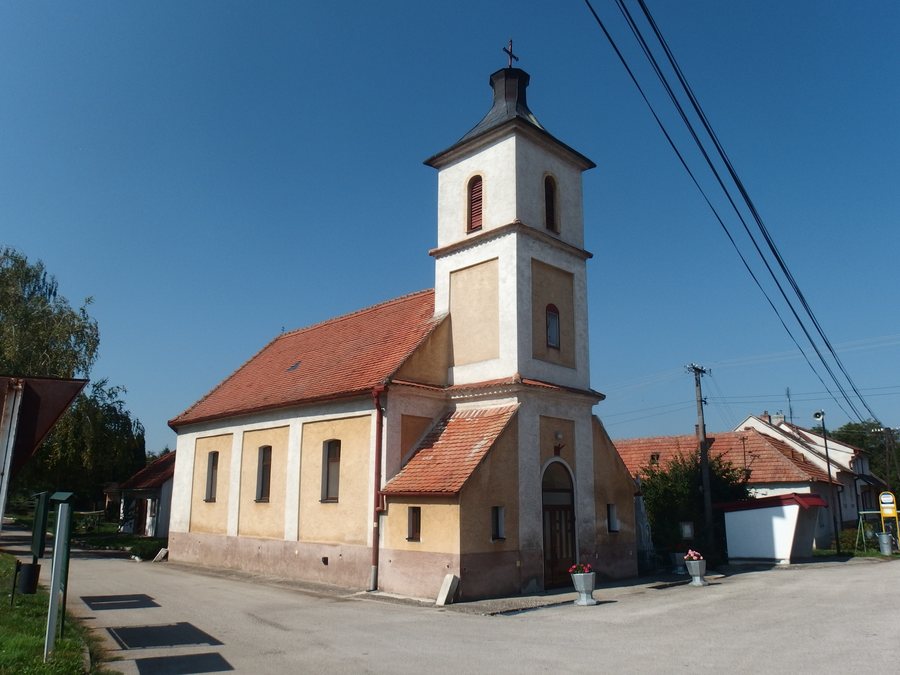
The Church of Saint Margaret of Antioch in Kopčany is an almost completely preserved Great Moravian church from the 9th century. The Church of Our Lady of the Rosary in Trnovec was built in the Classicist style in 1871. It is a single-nave building with three bays of a Prussian vault, is in good condition and continues to serve its religious purpose.
Examples of local embroidery from Trnovec can still be seen in the village church and at the local handicrafts exhibition. Holíčsky zámok, a castle, is located nearby. Svätá Margaréta and Svätý Vít are churches in the vicinity of Trnovec. Kaštieľ Sobotište is a castle farther away in the surrounding region.
Regional Cuisine
Small trdelník, traditionally baked on wooden sticks over a fire during the carnival season, are part of Trnovec's local culinary tradition. The carnival tradition in Trnovec has been revived in recent years. Traditional dishes from Trnovec include carnival doughnuts, head cheese and Božie milosti, locally also called Fanky.
Skalický trdelník has held a protected geographical indication registered by the European Commission since 22 October 2007. Trdelník is made in the traditional manner in the so-called black kitchen of a Franciscan monastery.
Trails and Sacred Sites
The yellow-marked KST hiking route no. 8161 is 11.5 kilometres long and runs across the Trnovec Bridge, which is one of its landmarks. The Chapel of Our Lady of the Seven Sorrows is the second stop on this route and is located at kilometre 2.9.
To the higher-level travel overview: Tyrnau.
More Destinations
More places within the same destination:

