
Kaunas: Old Town, Modernity, and Museums in Lithuania
Kaunas is one of Lithuania’s most important cities and a great choice for travelers who want to see more than just Vilnius. When adding Kaunas to a trip, it’s worth considering not only individual sights but also location, routes, length of stay, and the best time of year. This makes for a more relaxed itinerary on the ground, while still leaving enough room for city walks, breaks, meals, museums, or excursions.
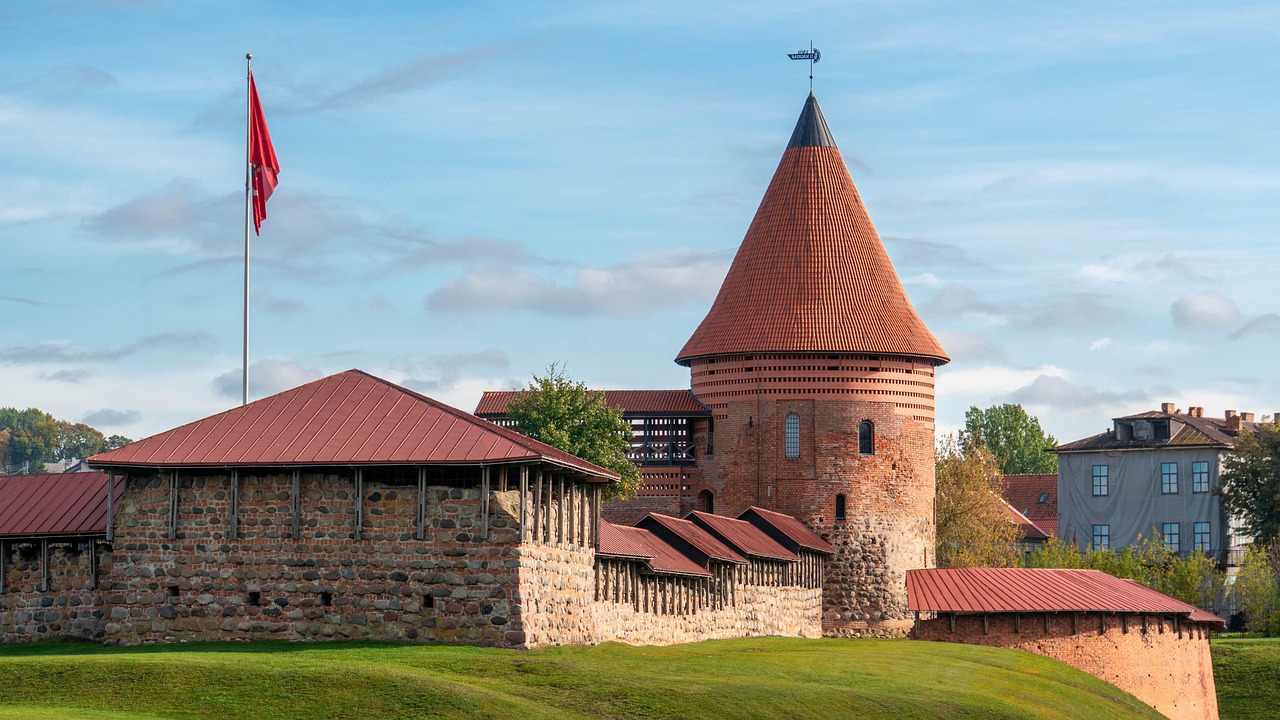 Garnisonkathedrale in Kaunas mit ihrer hellen Fassade.
Photo: kmarius from Pixabay
Garnisonkathedrale in Kaunas mit ihrer hellen Fassade.
Photo: kmarius from Pixabay
Quick facts: Kaunas
- Kaunas lies at the confluence of the Nemunas and Neris rivers and is an important urban center in Lithuania.
- The Old Town, New Town, broad boulevards, and interwar architecture offer a variety of cityscapes.
- Museums, the castle ruins, riverbanks, and viewpoints are not all along one short walking route.
- Kaunas works well as a city break in its own right or as a stop between Vilnius and the Baltic coast.
- Events, museum opening hours, construction work, weather, and transport schedules can all affect the day’s plans.
- Before booking, compare accommodation locations, public transport options, and the time needed for an excursion.
Character and location
The city sits along major rivers and brings together the Old Town, New Town, museums, broad boulevards, and traces of the interwar period. When planning a trip, it’s important to decide whether Kaunas will be a base, a day trip, or a stop on a longer tour. Capitals, spa towns, coastal resorts, and inland areas differ considerably across the Baltics and the Balkans. Taking these differences into account early helps avoid overlong day plans and makes it easier to choose the surrounding areas that best suit your trip.
Kaunas feels less compact than many destinations centered on an Old Town, but offers a good overview of Lithuania’s urban development. Choose accommodation to suit your priorities: stay central for short walks around the city, somewhere quiet to relax, near transport links for excursions, or by the water if beaches and walks are the main draw. In historic city centers and popular day-trip destinations, consider parking, routes with luggage, and peak-season conditions separately.
Things to see and do
The Old Town, Town Hall Square, pedestrian streets, museums, viewpoints, and modern architecture are natural stops. Early hours are often best for popular sights, viewpoints, and museums. Afternoons are well suited to parks, riverside paths, cafés, or shorter detours, while the evening offers a more peaceful look at the Old Town’s lanes, squares, and promenades. At busy attractions, it’s better to make a clear selection than to plan an overly long list.
A good day in Kaunas combines historic districts, a museum, a walk, and time for cafés or restaurants. To explore the city in greater depth, seek out its neighborhoods, markets, local cuisine, small museums, and everyday routes. These details make a trip feel more tangible than a series of photo stops. At the same time, it’s important to stay flexible, as weather, traffic, and local events can change the best plan for the day.
Excursions and combinations
Kaunas fits well into trips that include Vilnius, Trakai, Druskininkai, and routes toward the Baltic coast or the Curonian Spit. Vilnius Trakai Lithuania It makes sense to combine destinations that fit together geographically and thematically. A capital city can be paired with spa towns, lakes, or historic sites; an overview of the Balkans, by contrast, can help you organize coastal areas, mountains, and cities according to your travel pace.
Travelers exploring Lithuania by train, bus, or car can plan Kaunas as a separate stop between the capital, inland areas, and the coast. For multi-day itineraries, two or three fixed bases are often better than moving every day. This keeps travel manageable and leaves time for spontaneous stops. When traveling by bus, train, or rental car, actual journey times matter more than distances on the map.
When to go and practical planning
Spring and autumn are often good seasons for city visits, touring, and walks, as temperatures and crowds are usually more comfortable. Summer is especially appealing for the coast, lakes, long evenings, and outdoor terraces, but accommodation and transport are in greater demand. In winter, museums, wellness, cafés, and shorter city walks may take priority over long outdoor activities. For Kaunas, choose your departure point, connections, and return journey to fit the day’s plans.
Before your trip, check current opening hours, admission requirements, ferry or bus connections, local advisories, and weather conditions. This is particularly important in border regions, on islands, in national parks, at popular viewpoints, and in places with seasonal opening hours. Allowing some extra time makes for a more relaxed trip and helps you adapt to changes. For Kaunas, choose your departure point, connections, and return journey to fit the day’s plans.
Kaunas in context
Kaunas is not a substitute for Vilnius, but a distinct Lithuanian city with culture, history, and a convenient location for touring. It is best appreciated as part of a suitable itinerary rather than in isolation. With a clear selection of sights, realistic travel times, and some time for everyday scenes, a short stop becomes a meaningful part of the trip.
Kaunas as a Lithuanian cultural city
Kaunas is a great choice for travelers who want to experience Lithuania beyond Vilnius. The Old Town, modernist architecture, museums, riverside setting, and university life give the city a character of its own, combining history with contemporary culture.
Kaunas makes a useful stop on itineraries through Lithuania or the Baltics. Planning your arrival, Old Town walks, museum visits, and possible excursions in advance makes it easy to combine the city with Vilnius, Trakai, or the Curonian Spit.
Combining the Old Town, New Town, and riverbanks
Kaunas is easier to explore when the Old Town, New Town, riverbanks, and museums are planned as separate areas of focus. The historic castle, squares, and churches are in different parts of the city from the broad boulevards and interwar buildings. Allow extra time for several museums or an excursion, in addition to walking between sights.
Other Lithuanian destinations to consider include Vilnius, Trakai, Klaipeda, Neringa, Šiauliai, Druskininkai and Palanga. Lithuania in the Baltics and the Baltic states are useful resources when planning a longer itinerary.
Before booking, coordinate arrival and transport with trip preparation. Lithuania’s official travel information provides additional current advice on regions and attractions. Check opening hours, events, construction work, weather, and your return journey for your travel dates.
Kaunas FAQ
How many days should I spend in Kaunas?
A full day gives you time to explore the Old Town, New Town, and one museum. Two days leave more time for the riverbanks, architecture, and breaks.
How is Kaunas different from Vilnius?
Kaunas combines its Old Town more closely with the New Town, interwar architecture, and its riverside setting. On a tour, it’s best to give each city its own block of time.
Can I combine Kaunas with a trip to the Baltic Sea?
Yes, as long as you plan realistic travel times and overnight stays. Klaipeda, Neringa, and Palanga are destinations in their own right and require additional time.
What should I check before visiting?
Check museum opening hours, events, transport schedules, construction work, weather, accommodation, and your specific return journey in advance.
