
Trakai: Water Castle, Lakes and History
Trakai lies west of Vilnius and brings together an island water castle, a historic small town and a vibrant Karaim heritage. For a day trip, check the seasonal castle hours, plan the route from the train or bus station, and allow enough time for the town centre and lakeshore.
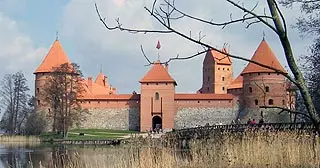 Die Feste Trakai ist eines der großen Bauwerke mit Geschichte, das die Fürsten in Osten von Europa beherberte.
Photo: Andrey
Trakai at a glance
- The water castle stands on an island in Lake Galvė; its museum entrances are at Karaimų g. 43C.
- The Trakai History Museum has seasonal opening hours; in October and November, it is open Tuesday to Sunday, 10 am–6 pm.
- From October to March, an adult ticket for the Island Castle costs €12, and a reduced ticket costs €6.
- Alongside the castle, Karaim heritage is one of Trakai’s distinctive cultural themes.
- Trakai is served by train and bus from Vilnius; departures vary by date.
- Trakai works well as a day trip or as a longer stay, with time for the castle, town centre and lakeshore.
The water castle and access to the island
The Island Castle is Trakai’s main historic attraction. Its courtyards and museum rooms tell the story of the castle and the country. From the castle, paths lead back to the town centre and along the shores of Lake Galvė. Set aside a dedicated block of time for the interiors and a walk around the grounds; additional visits will make your stay longer.
The entrance to the Island Castle is at Karaimų g. 43C. Museum hours vary by season: in March, April, October and November, it is open Tuesday to Sunday, 10 am–6 pm; from May to September, daily, 10 am–7 pm. In December, January and February, the museum is open Wednesday to Sunday, 10 am–6 pm. From October to March, an adult ticket costs €12 and a reduced ticket for students and seniors costs €6; from April to September, the prices are €14 and €7 respectively. The museum website also lists family tickets and combined castle tickets.
Plan the castle and town as one walk: explore the museum rooms first, then the old town streets and lakeside paths. On busy days, starting earlier leaves more time for the interiors and walks by the lake. The Island Castle remains the main attraction; allow separate time for any additional stops.
Karaim heritage in the town centre
Trakai is also closely linked to Karaim history. At the end of the 14th century, Grand Duke Vytautas settled Karaim from Crimea in the Grand Duchy of Lithuania. The community developed its own language, religious traditions and way of life. The Seraja Shapshal Karaim Museum explores the community’s history, everyday life and cultural artefacts. It is at Karaimų g. 22, separate from the entrance to the Island Castle.
Historic streets, homes and lakeside paths lie between the castle and the town centre. You can organise your visit around two themes: first, the medieval power and history of the Island Castle, then Karaim culture and the town as it is today. The Karaim kenesa in Trakai is part of the community’s religious history.
Getting from Vilnius to Trakai
Trakai can be visited as a day trip from Vilnius or combined with a stay in Kaunas and other destinations in Lithuania. Trains arrive at Trakai railway station, Vilniaus g. 5. The walk to the Island Castle at Karaimų g. 43C follows Vilniaus, Vytauto and Karaimų streets and crosses pedestrian bridges. The bus station is at Vytauto g. 90; a local bus runs from there to the Island Castle on weekdays. LTG Link also operates the Vilnius–Trakai train route, while Trakų autobusai publishes bus routes for the region. From 5 October to 30 November 2026, LTG Link is running a special timetable due to construction work, with departures varying by date. The Getting there and transport section covers the route to the station, the journey, arrival in Trakai and the return trip.
For a longer trip through Lithuania, the Baltic States, Lithuania, Vilnius and Kaunas make a good city-and-culture route. By contrast, Neringa, Klaipėda and Palanga are separate coastal or nature-focused stops. General travel planning depends on the length of your stay, departure times and the itinerary you have in mind.
Where to stay and how to plan your day
A day trip is enough for the castle, town centre and a break by the water, provided you plan your outward and return journeys in advance. A longer stay leaves more time for the Karaim Museum and peaceful walks by the lake. If you stay overnight in Trakai, choose accommodation based on the castle, station and route you have planned for the day; the accommodation overview lists places to stay by destination and type of trip.
Weather and daylight affect how much time you spend indoors or outside. In rainy weather, the castle and its museum exhibitions become a larger part of the itinerary; in clear weather, the lakeshore and island views offer more time outdoors. Plan meals, museum visits and the return journey so that your luggage and departure time fit together.
Frequently asked questions about Trakai
How much does admission to the Island Castle cost?
From October to March, an adult ticket costs €12 and a reduced ticket for students and seniors costs €6. From April to September, the prices are €14 and €7 respectively. Family and combined tickets are also available.
How do you get from Vilnius to Trakai?
LTG Link operates the Vilnius–Trakai train route; regional operator Trakų autobusai lists bus services to Trakai. In October and November 2026, a special timetable applies due to construction work, with departures varying by date.
Who are the Karaim of Trakai?
The Karaim are a Turkic-speaking community that came from Crimea to the Grand Duchy of Lithuania at the end of the 14th century. Their language, religion and everyday history are among the topics explored at the Karaim Museum at Karaimų g. 22.
What are the Island Castle opening hours?
In October and November, the museum is open Tuesday to Sunday, 10 am–6 pm. From December to February, it is open Wednesday to Sunday, 10 am–6 pm; in March and April, Tuesday to Sunday, 10 am–6 pm; and from May to September, daily, 10 am–7 pm.
