
Czechia: Prague, spa towns, castles, and regions
Accommodation in The Czech Republic
Czechia is an easily accessible destination, with Prague as a major draw and many regions beyond it. When including Czechia in a trip, first decide what role it should play in the itinerary: a starting point, part of a tour, a city base, a nature stop, or a longer stay. This creates a route that works well on the ground, rather than one that merely strings together a lot of place names.
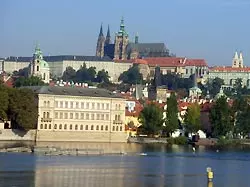 Tschechiens Hauptstadt Prag ist ein Juwel für eine Städtereise. Tschechien ist ein beliebtes Urlaubsland
Photo: Markus Lenk
Tschechiens Hauptstadt Prag ist ein Juwel für eine Städtereise. Tschechien ist ein beliebtes Urlaubsland
Photo: Markus Lenk
Overview and travel character
Prague, Bohemia, Moravia, spa towns, castles, breweries, uplands, and historic cities shape the country’s character. When planning, it is important to consider distances, border crossings, the time of year, and transport options together. Especially between the Balkans, Central Europe, and Central Asia, short distances on a map can take much longer because of mountains, borders, timetables, or poor connections.
For a good trip, Prague should not automatically take up all the attention, as many smaller places make excellent stops in their own right. Realistic planning means choosing a few fixed stops and allowing time between them for travel. This helps with arrival days, longer bus or train journeys, and regions where the weather, season, or local holidays can change the day’s plans.
Cities, landscapes, and culture
Old towns, castles and palaces, spa towns, breweries, museums, river valleys, and uplands offer plenty of worthwhile combinations. A good itinerary pairs well-known places with quieter stops. Capitals, old towns, museums, and markets help orient visitors, while coasts, mountains, rivers, lakes, or spa towns change the pace and make a trip feel less packed.
Czechia is especially enjoyable when city visits are combined with train journeys, regional cuisine, and quieter places. It is particularly helpful to have one clear focus each day. A museum, a neighborhood, a viewpoint, or a stretch through the countryside is more memorable than a schedule that crams too many stops into a short time.
Routes and combinations
Czechia pairs well with Poland, Slovakia, Germany, Austria, and Hungary. Prague Wellness in Czechia Slovakia The best combinations follow actual transport corridors and connect neighboring themes. A country page can help you organize your options, but it does not replace checking specific routes, places to stay, and seasonal connections.
Many destinations are easy to reach by train, but it is still worth making a clear choice among Prague, West Bohemia, South Bohemia, and Moravia. For a tour, two to four well-chosen bases are often more pleasant than changing places every day. From there, you can combine day trips, city visits, and nature spots more easily. If traveling by car, consider parking and road quality; for buses and trains, frequency, transfers, and the return trip matter more than straight-line distance.
When to go and practical tips
City breaks are possible almost year-round, while spa towns, cycling routes, and nature regions are especially pleasant from spring through fall. Spring and fall are often good for cities, tours, and active days outdoors. Summer is ideal for the coast, lakes, long evenings, and mountain regions, but can put more pressure on accommodation and transport. In winter, short journeys, museums, cafés, thermal baths, and winter-sports resorts become more important.
Before booking, check the latest entry information, timetables, opening hours, public holidays, local rules, and weather conditions. In border regions, national parks, islands, mountain areas, and historic sites, it is worth checking again shortly before your trip. Leaving some slack in your daily schedule is not a waste of time: it makes room for spontaneous discoveries and breaks. In Czechia, compare accommodation availability with your main day trips and realistic breaks.
Plan beyond Prague in Czechia
For many travelers, Prague is the first thing that comes to mind when they think of Czechia, but good planning also means looking at Bohemia, Moravia, spa towns, castles, and uplands. Karlovy Vary, Kutná Hora, Brno, South Moravia, and smaller historic towns each complement the capital in a different way. A visit to Prague alone gives you a vivid picture of the city, but not the full range of the country. For tours, train and road connections, places to stay, and the season all matter. For an introduction to the capital, see the information on Prague.
Czechia: Make your travel plans more specific
Czechia can be planned around Prague, Bohemia, Moravia, and spa towns, based on your interests and realistic travel legs. The order depends on your time, transport, the season, and your interests.
Plan travel legs at your own pace
A solid travel plan starts by asking what you can realistically reach in a day. Maps show the distance, but not necessarily transfers, walks, luggage, waiting times, or finding your way around an unfamiliar station. Group nearby destinations under one main focus and treat longer outings as separate legs. Allowing extra time for weather, delays, and changes makes it easier to decide what to do on the spot. For Czechia, choose departure points, transfers, and return journeys to suit the day’s actual itinerary.
Before making a firm booking, check the latest information with official agencies, transport providers, accommodation providers, and attractions. A travel article explains the context, but does not replace direct advice about entry requirements, safety, opening hours, permits, or timetables. This information can change. In Czechia, compare accommodation availability with your main day trips and realistic breaks.
Combine cities, landscapes, and culture
Plan city visits by neighborhood: a historic area, a museum or viewpoint, and a quiet place to take a break. For nature destinations, consider the weather, trail conditions, facilities, and how you will get back to your accommodation. Historic buildings, religious sites, and museums may have their own visitor rules. Photos do not guarantee access. In Czechia, compare accommodation availability with your main day trips and realistic breaks.
Families, older travelers, and people with limited mobility benefit from short distances, places to sit, accessible restrooms, and good transport links. For nature and riverside landscapes, include water, suitable clothing, medication, and an offline alternative in your day plan. In Czechia, plan routes and breaks together, taking into account the stamina of everyone traveling with you.
Assess transport realistically
For trains, buses, cars, and excursion boats, check departure points, transfers, luggage rules, and the return journey together. On long routes, an overnight stop that is easy to reach can be helpful. If renting a car, check your documents, insurance, local traffic rules, fuel availability, and whether the route is passable. For Czechia, choose departure points, transfers, and return journeys to suit the day’s actual itinerary.
Even within a city, straight-line distance is not a reliable guide to travel time. Stations, bridges, riverbanks, pedestrian zones, and changes in elevation can make journeys longer. One main attraction, one additional stop, and a break often make a better day than a long list. Check reservations and opening hours directly with the provider. For Czechia, choose departure points, transfers, and return journeys to suit the day’s actual itinerary.
Travel respectfully and stay informed
Language, meal times, payment options, and customs can differ by region. Ask before taking photographs in religious or private spaces. Treat historical and political subjects objectively. If information conflicts, official institutions, museums, local authorities, and reputable specialist sources are a better basis for decisions. For Czechia, plan indoor visits, access, and travel between each main stop separately.
Practical checklist
- Check current entry, transport, weather, and health advice.
- Plan travel legs based on actual travel time, not straight-line distance.
- Plan your accommodation, return journey, breaks, and an alternative.
- Check opening hours, reservations, and visitor rules directly.
- Bring documents, medication, payment methods, and offline information.
- Do not make decisions based on uncertain, unsupported information.
Beyond Prague, Czechia can be organized around cities, spa towns, cultural landscapes, and nature destinations. A peaceful stay in the spa town of Poděbrady offers different experiences from trails in Šumava National Park. Culture and history and Nature and landscapes can help you choose when you want to focus on a region that suits you, rather than just the capital.
To decide on the specific order, consider arrival and transport, travel preparation, money and payments, and staying safe while traveling together. Travel time, accommodation availability, and opening hours determine whether a destination works as a day trip or calls for an overnight stay. This keeps city visits, spa stays, and days in nature distinct, while still allowing you to combine them.
Conclusion for planning your trip
Czechia is ideal for short and medium-length trips when Prague, the regions, and practical travel arrangements are planned in balance. Planning around your interests makes it easier to find the right mix of well-known places, regional culture, and quieter stops. This turns an overview into a useful basis for a trip that works in terms of time, theme, and geography.
Frequently asked questions
How many destinations can you fit into one day?
That depends on distances, transport, opening hours, and your pace. A few nearby destinations are usually more realistic.
What should you check shortly before your trip?
Entry requirements, transport, opening hours, weather, health advice, and local rules can change.
How can you keep an itinerary flexible?
Choose one main destination, one nearby addition, and allow time for breaks and an alternative in case of bad weather or transport issues.
