
Planning cycling tours in Eastern Europe and Central Asia
Cycling tours offer a particularly direct connection with landscapes, places and people. But they require different planning from a road trip by car: road surface, gradients, luggage, weather and your own energy levels all determine how far a stage can realistically go. For travel in Eastern Europe and Central Asia, the route and the bicycle should therefore be considered together.
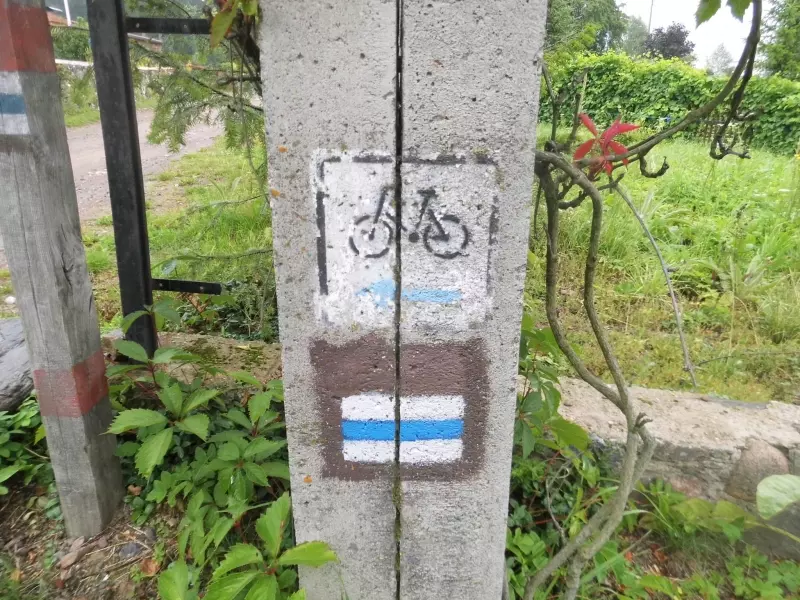 Radweg durch die Landschaft des Riesengebirges in Polen.
Photo: Bernd Hermann, neandertours.com
Radweg durch die Landschaft des Riesengebirges in Polen.
Photo: Bernd Hermann, neandertours.com
Cycling tours at a glance
- Daily stages need to suit your fitness, bicycle, luggage and elevation gain.
- Road surfaces, traffic, gradients and weather can change how difficult a ride is in practice.
- Find out where you can get water and food, stay overnight and make repairs along the route.
- Crossing borders and transporting a bicycle may require specific documents or reservations.
- A plan for breakdowns, fatigue and changing weather helps avoid unnecessary time pressure.
- Cycling tours can be combined with nature, culture and regional cuisine.
Choose a realistic route and daily stages
A flat route on a good surface can be much easier than a shorter one with many climbs or loose terrain. Maps show the distance, but not always the traffic, roadworks, route quality or elevation gain. Before booking, plan daily stages with breaks, photo stops and a time buffer. Poland, the Baltic States and Croatia offer a range of options, from coast and forest to cities and hill country.
The image of the Krkonoše Mountains suits a route where the scenery and cycle path go hand in hand. More challenging trips in Kyrgyzstan or Kazakhstan involve higher elevations, longer distances and fewer services. The tips on cycling tours in Kyrgyzstan can serve as a starting point; check the specific roads, border conditions and current traffic situation before setting off.
Bicycle, luggage and supplies
Your bicycle should be suited to the route and the luggage you will carry. Check the tires, brakes, lights, chain, tools and spare parts before departure. On longer stages, water sources, shops, accommodation and somewhere to make minor repairs are important points to consider. In remote areas, carrying an extra inner tube can be more useful than following an especially precise timetable.
Luggage affects stopping distance, climbs and riding comfort. Pack heavier items as low as possible and distribute them evenly. If you are travelling without a support vehicle, bring clothing for changing weather, ways to charge your phone and a simple emergency plan. Your accommodation needs to be able to store your bicycle securely and somewhere dry; confirm this in advance.
Traffic, borders and weather
Cycle paths do not always continue across national borders or along clearly marked roads. Traffic rules, road conditions, roadworks and border crossings can all affect your route. When travelling through Poland, the Baltic States or the Caucasus, include up-to-date information on roads, documents and transport options in your preparations. A stretch with heavy traffic can make an otherwise attractive route impractical.
Rain, headwinds, heat and early darkness have a greater impact on a bicycle than in a car. Set your start time, breaks and shorter alternative with the season in mind. If there is a thunderstorm or poor visibility, adjust or end the stage. Sustainable travel can help you combine trains, buses and cycling to avoid unnecessary transfers and risky return journeys.
Experiences along the way
A cycling tour does not have to be all about reaching a daily mileage target. Nature and landscapes offer inspiration for lakeside, coastal and forest stretches, while culture and history add historic sites and museums to your route. A break for regional cuisine or a visit to markets and cafés can connect you with the local area, provided opening hours and luggage storage work out. In Dalmatia, you can combine the coast with short rides, while the Baltic States often offer peaceful changes of scenery.
Good cycling tours have a clear framework and plenty of flexibility. If you assess the route, bicycle, weather and available services realistically, you can shorten a stage, take a rest day or decide to stay somewhere longer on the spur of the moment. That way, cycling becomes a suitable way to travel rather than a source of daily time pressure.
Your specific choices should always suit your destination, schedule and local conditions. Current information from the relevant business or location takes precedence over older general recommendations. If in doubt, a quick enquiry, a flexible daily plan and a simple alternative are often more useful than a highly detailed but outdated recommendation. When preparing, consider your arrival, breaks, weather, supplies and return journey together. This keeps your plans workable even if a route, opening time or your own energy levels turn out differently from what you expected. A small time buffer helps prevent unnecessary stress and leaves room for spontaneous decisions. It also makes it easier to coordinate plans within a travel group. When planning cycling tours in Eastern Europe and Central Asia, therefore, take the season into account alongside trail conditions, opening hours and available daylight.
Frequently asked questions
How many kilometres should I plan to cycle each day?
It depends on your fitness, bicycle, luggage, elevation gain, road surface and breaks. A shorter, realistic stage is usually better than consistently taking on too much.
What should I check on my bicycle before setting off?
Check the brakes, tires, lights, chain, gears, tools and spare parts. If you are renting a bicycle, take it for a short test ride.
How should I plan for bad weather?
Allow a time buffer, plan a stage you can shorten, choose accommodation you can reach and have a safe alternative by train, bus or transfer.
