
Wellness and Thermal Baths in Eastern Europe and Central Asia
Wellness and thermal baths can add a calm, physically soothing stop to a trip through Eastern Europe and Central Asia. But choosing the right place involves more than looking for the word “thermal bath.” Travelers should consider the facilities, location, time required, accessibility, and their own expectations. For travel in Eastern Europe and Central Asia, it is especially important to distinguish clearly between relaxation and medical treatment.
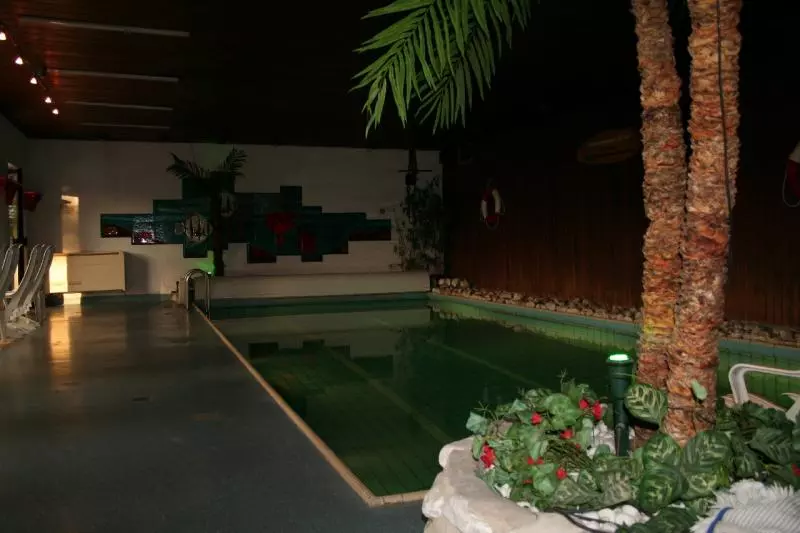 Innenbecken in einem Wellnessbereich mit Palmen und Sitzplätzen.
Photo: Dago
Innenbecken in einem Wellnessbereich mit Palmen und Sitzplätzen.
Photo: Dago
Quick facts: Wellness and thermal baths
- Thermal baths, spas, saunas, and wellness hotels can offer very different experiences.
- Check locations, opening hours, admission prices, and reservation requirements using current information.
- Do not rely on health claims without checking them.
- Water temperature, quiet areas, and accessibility are practical factors to consider.
- Swimwear, towels, and house rules can vary from one facility to another.
- Wellness can complement relaxation, but it is no substitute for medical advice.
What a wellness facility actually offers
A spa may offer swimming pools, a sauna, a steam room, massages, relaxation areas, or beauty treatments. A thermal bath may also feature warm or mineral-rich water. These terms are not always used consistently in everyday life. Facilities in Bulgaria, Romania, or the Balkans can therefore differ considerably. The current description of the specific facility matters more than general assumptions.
Before your visit, check opening hours, admission prices, reservations, towels, swimwear, and age restrictions. At smaller establishments, some areas may be closed on certain days. Whether children are welcome, whether quiet times are available, and whether separate sauna rules apply can also affect your choice.
Location and planning your day
A thermal bath outside a city may offer peace and quiet, but getting there could take longer. In Ukraine or Poland, travelers should check the route, return journey, and reliability of public transport in detail. A wellness visit is not a good fit for a day that already includes several far-flung destinations and a late return.
Two to four hours is often enough for a relaxing visit, depending on the facilities and your own stamina. Remember to take breaks, drink water, and plan for a dry journey back. If you want to spend a full day at the baths, allow time for meals and changing, and check whether a reservation is needed. Rest and well-being are more likely to come from a realistic schedule than from fitting in as many treatments as possible.
Health and the limits of health claims
Warm water, quiet, and movement can feel pleasant. That does not mean they offer a guaranteed cure. If you have cardiovascular disease, are pregnant, have acute symptoms, or are unsure, seek medical advice before planning a sauna session, a soak in very warm water, or intensive treatments. A tourist description is no substitute for a medical assessment.
When you see the term “healing water,” read carefully to understand what the facility actually claims and what official requirements apply. In Russia and the Caucasus, historic spa traditions may coexist with modern leisure facilities. The two should not automatically be treated as the same thing. The specific facility, its services, and its current rules are what matter.
Make well-being part of your trip
A visit to a thermal bath can be combined with nature and scenery or a leisurely walk, if the routes and weather are suitable. Culture and history can add to the experience, but should not turn it into a tightly packed list of must-dos. If you want to sample local food, regional cuisine offers ideas for mealtimes and ingredients; before a sauna or massage, a light meal that agrees with you is often more practical.
For families, older travelers, and people with disabilities, important considerations include slip-resistant paths, elevators, seating, water depths, and changing facilities. Information about facilities in the Baltic states or Central Asia may vary in detail. Asking the facility directly before booking can prevent disappointment and help you plan safely.
Wellness is not a promise of better health, but a way to travel that offers relaxation, warmth, and a mindful pause. Choose a facility that suits your needs, respect its rules, and be mindful of your own limits to make thermal baths a worthwhile part of your trip.
Your choice should always suit your destination, the time you have, and local conditions. This helps keep plans and expectations realistic. Current information from the facility or destination should take precedence over older general recommendations. If in doubt, a quick inquiry, a flexible day plan, and a simple alternative are often more useful than a highly detailed but outdated recommendation. This also applies when a trip spans several countries or different landscapes. That way, you can enjoy spontaneous discoveries without overlooking important safety or timing considerations. For wellness and thermal baths in Eastern Europe and Central Asia, the route, weather, daylight, and a safe return matter just as much as the reason for your visit.
Frequently asked questions
Is a thermal bath automatically a therapeutic spa?
No. A public swimming pool, wellness facility, thermal bath, and therapeutic spa may have different requirements and offer different services.
What should I check before booking?
Opening hours, admission, reservations, facilities, house rules, accessibility, and current travel arrangements.
Can wellness replace medical treatment?
No. Wellness is for relaxation. If you have symptoms or specific health concerns, medical advice should guide your decisions.
