
Lenin Mausoleum in Moscow: Memorial Site and History
The Lenin Mausoleum on Red Square is a political and historical site of remembrance from the Soviet era. It was not conceived as an ordinary museum. The embalming, architecture, state ceremonies, and the present-day question of a possible visit belong to different aspects of its history.
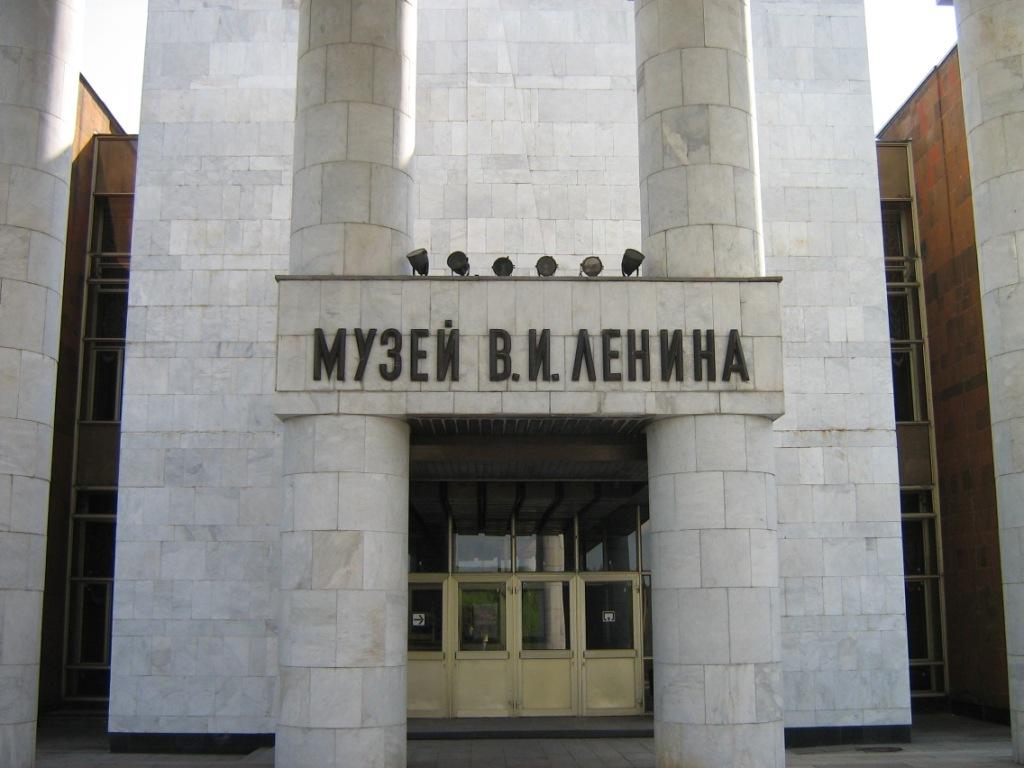 Eingang zum Lenin-Museum mit heller Steinfassade und kyrillischer Beschriftung.
Photo: Igor Klavsout
Eingang zum Lenin-Museum mit heller Steinfassade und kyrillischer Beschriftung.
Photo: Igor Klavsout
Quick facts: Lenin Mausoleum
- The Lenin Mausoleum stands on the western side of Red Square in Moscow.
- After Lenin’s death in 1924, a wooden structure was built first, followed later by the present granite building.
- The mausoleum was part of Soviet state symbolism and served as a viewing stand during parades.
- Stalin was also laid to rest in the mausoleum for a time, before being buried by the Kremlin Wall.
- Access, closure days, security checks, bag policies, and photography rules may change.
- The site calls for historical context and a calm, respectful decision about whether or not to visit.
Construction of the Mausoleum in 1924
After Lenin’s death in 1924, a wooden mausoleum was first built on Red Square. It was later replaced by the present granite building. Its construction was part of the political response to Lenin’s death, not merely an architectural undertaking.
Stalin and Soviet state symbolism
After Stalin’s death in 1953, his body was laid to rest beside Lenin for a time. During de-Stalinization, Stalin was later buried by the Kremlin Wall. This episode shows how state commemoration and public displays can be reshaped for political reasons.
Viewing stand and ceremonies
The roof of the mausoleum served as a viewing stand during Soviet parades. The building was thus incorporated into state rituals that went beyond the function of a tomb or museum. A visit today is viewed separately from this history and should not be taken as political endorsement.
Planning a visit to Red Square
Access, possible closure days, security checks, bag policies, visitor conduct, and photography rules should be checked against current information shortly before your visit. Old opening hours and past reports are no guarantee. Red Square, the Moscow Kremlin, and Moscow are geographically connected, but each has its own routes and entry rules.
The site’s political and historical significance calls for a calm decision about whether or not to visit. Getting around and transport, travel planning, staying safe while travelling, and current travel conditions should all be checked before making specific plans.
Understanding Soviet commemoration and visitor rules
The Lenin Mausoleum on Red Square is a political and historical site of remembrance, not an ordinary museum. The official website of the Moscow museums provides additional current information, where available. The main geographical reference points in the city centre are Red Square and the Moscow Kremlin.
After Lenin’s death in 1924, a wooden mausoleum was built first, followed later by the granite building. The embalming, guard of honour, and use of the building as a viewing stand were part of the Soviet state’s public pageantry. Its shared use for a time with Stalin, and his later reburial by the Kremlin Wall, show how political remembrance can change.
A visit can be combined with Red Square, the Kremlin, and other museums in Moscow without cramming everything into a tight itinerary. Access, closure days, checks, bags, conduct, and photography rules should be confirmed for the specific date. The site’s political significance deserves calm and objective consideration.
For getting around, see getting around and transport, Moscow railway stations, travel planning, staying safe while travelling, and the latest travel and safety advice for the Russian Federation. Old opening hours and past ceremonies are no guarantee that a visit is possible today.
FAQ about the Lenin Mausoleum
What is the Lenin Mausoleum?
It is a political memorial site on Red Square in Moscow. After Lenin’s death in 1924, it was first built of wood and later reconstructed in granite.
Why is the site historically controversial?
The mausoleum brings together burial, Soviet state symbolism, parades, and political commemoration. These aspects are considered separately.
Can you visit the mausoleum at present?
This can only be determined by checking current information about opening hours, closure days, security, and access. Past opening hours are no reliable guarantee.
How can a visit be combined with Red Square?
Red Square, the Kremlin, and other museums are in the same central area of the city, but each has its own routes, security checks, and time requirements.
