
Museums of Moscow
Moscow’s museums differ in their collections and locations around the city: the Museum of Moscow presents the city’s history and everyday life, the Archaeology Museum traces the story from the Paleolithic era to the 19th century, and the Lefortovo Museum tells the history of a neighborhood from the age of Peter the Great to the present day. Their distinct profiles suit different interests in urban life and history.
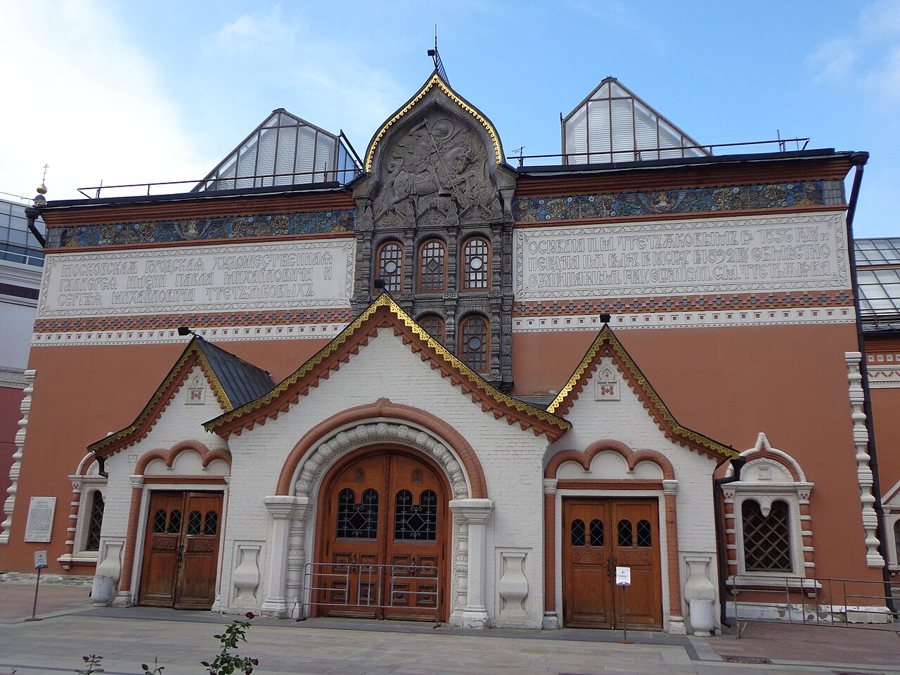 Tretjakow-Galerie in Moskau. Foto: Concierge.2C / Wikimedia Commons, CC BY-SA 3.0; für die Webausgabe verkleinert.
Photo: Concierge.2C
Quick facts about Moscow’s museums
- The Museum of Moscow holds more than one million objects related to the city’s history and everyday life.
- The Archaeology Museum displays finds from the capital region dating from the Paleolithic era to the 19th century.
- The Lefortovo Museum traces the neighborhood’s development from the age of Peter the Great to the present day.
- The three museums are at different addresses; travel routes and the time available for visits help determine the best order.
City history and everyday life at the Museum of Moscow
The Museum of Moscow, on Zubovsky Boulevard, traces Moscow’s development from its earliest beginnings to the present day. Its collection comprises more than one million objects, including archaeological finds, tools, jewelry, bronze and stone works, maps, urban planning designs, photographs, clothing, furniture, and other items from everyday life. The result brings together the city’s growth, living conditions, and everyday culture.
The museum operates across eight main locations. The exhibition and the specific location determine which site is best suited to a particular visit. The address at 2 Zubovsky Boulevard is in the central part of the city, so visitors can plan their routes and onward journeys around this location. A stay in Moscow can also include other neighborhoods and museums.
Archaeology at Manege Square and neighborhood history in Lefortovo
The Moscow Archaeology Museum is at 9a Manege Square, in an underground exhibition pavilion. It opened in 1997, following extensive archaeological excavations at the site between 1993 and 1996. The exhibition presents the material culture of Moscow and the surrounding area, from the Paleolithic era to the 19th century. At its heart are the foundations of the 17th- and 18th-century Voskresensky Bridge. A visit combines early archaeological finds with a historic site in the city center.
The Lefortovo Museum, at 23 Kryukovskaya Street, focuses on the development of a Moscow neighborhood. Its permanent exhibition spans the age of Peter the Great to the present day. Topics include visits by Russian emperors in the 18th century, industrialization and military schools in the 19th century, and industrial facilities in the 20th century. Paintings and maps illustrate the neighborhood’s former appearance and how it changed over time.
Together, the three museums offer an overview of the city, archaeology at an excavation site, and the development of a specific district. Other museums and exhibitions can add another theme to your itinerary, while art and history collections can be included on additional days, depending on your interests.
Planning visits and getting around
The three museums are in different parts of the city: the Archaeology Museum is at Manege Square, the Museum of Moscow is on Zubovsky Boulevard, and the Lefortovo Museum is in the eastern district. Travelers should coordinate each location with opening hours and the time they want to spend visiting; the city’s layout and travel routes will help determine the order.
Between museum visits, consider exploring other historic sites and memorials or urban architecture. For a meal break, restaurants in Moscow can make a convenient stop along the day’s route. Longer excursions into nature take you to rivers and waterfalls or lakes and wetlands beyond the immediate city itinerary; for a quieter part of your trip, try nature breaks.
Where you stay in each part of the city affects your daily travel and return journeys. For a multi-day itinerary, travelers should choose accommodation in Eastern Europe along their route. Travel times, visit schedules, and breaks can be brought together in a travel checklist with a schedule. More travel ideas can fill extra days outside the museum itinerary.
Frequently asked questions about museums in Moscow
When was the Museum of Moscow founded?
The museum was founded in 1896. Its collection of more than one million objects traces the development of the city and its everyday life.
What makes the Moscow Archaeology Museum different?
It displays material culture from Moscow and the surrounding area, dating from the Paleolithic era to the 19th century. The exhibition is located at the excavation site and centers on the foundations of Voskresensky Bridge.
What is special about the Lefortovo Museum?
It tells the story of a single neighborhood’s development from the age of Peter the Great to the present day, including industrialization, military schools, and the history of local industrial facilities.
