
Municipality of Kršan: Coast, Nature and Istrian History
Accommodation in Municipality of Kršan
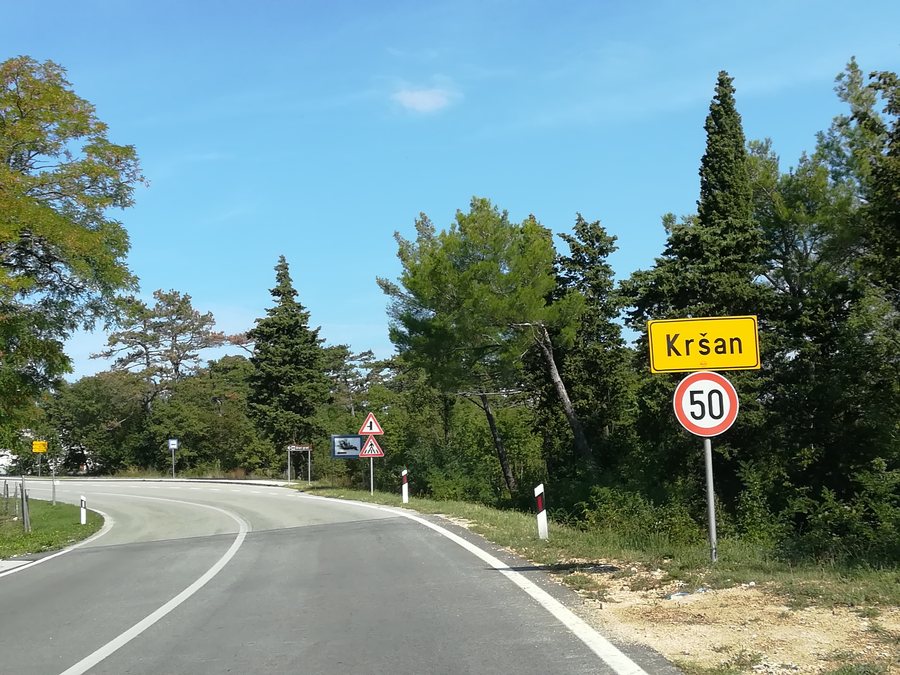
Travellers considering the Municipality of Kršan as a destination will find a range of highlights: nature in the hilly area, almost 13 kilometres of unspoilt coastline, and historical themes in Kršan, Kožljak and Plomin. You can weigh up which of these should shape your trip by considering the landscapes, places and experiences.
Key facts about the Municipality of Kršan
Učka Nature Park is located in the hilly part of the municipality. Its habitats are home to numerous endemic, endangered and protected plant and animal species. Along the coast, steep rocky stretches alternate with wild beaches in coastal inlets.
The municipality’s history also has different facets: Stari grad Kršan is a fortified town and one of the best-preserved castles in Istria. Plomin lies below Sisol at the entrance to inland Istria and was built on the foundations of the ancient Histrian and Roman town of Flanona.
What nature and coastal highlights are there?
Učka Nature Park is a point of interest for travellers interested in diverse habitats. In Šušnjevica, the “Vlaški puti” Ecomuseum combines an interpretation centre and a media library with themed walking trails through the nature park. These trails are connected to the life and activities of the local community. The museum and trails therefore offer nature enthusiasts different ways to explore the area and its local way of life.
The coastline offers a different kind of landscape. It stretches for almost 13 kilometres and is steep and rocky, with wild beaches in coastal inlets. When planning a trip around the coast and the nature park, consider them as different aspects of the area, rather than inferring any particular proximity or connection from their being part of the same municipality.
A brief seasonal highlight is the endemic “Istarski zvončić”: in late May and early June, the plant briefly adorns the facades of houses, the church, walls and baladure in Plomin. Visitors to Plomin at this time can look out for this distinctive plant in the townscape; its flowering period is specifically brief.
Which historical places and experiences define the municipality?
Stari grad Kršan was first mentioned in the 13th century. Visitors enter the fortified town through well-preserved town gates. Within the fortification walls stands the 17th-century Church of St Anthony the Abbot. The combination of the town fortifications and the church makes Kršan a fitting focus for travellers interested in historic buildings.
Kožljak Castle stands on the southern slopes of Učka, beside an old road that connected ancient Histria and Liburnia. It was first mentioned in written sources in 1102. Access is via steps carved into the bedrock. The Romanesque Church of St Hadrian lies below the castle. In Plomin, meanwhile, the Church of Sv. Jurja Starog houses the oldest known Glagolitic inscription, the Plomin inscription.
There are two different ways to engage actively with Plomin’s past: Plominsko otkriće is a puzzle activity through the historic lanes and past centuries-old buildings within the former town walls. The Virtualna avantura grofice Tonetti offers a virtual tour through Plomin’s past in four languages. Both explore the town’s history, but in different ways.
Which regional experiences suit your interests?
The Festival samoniklog bilja takes place every year in Kršan. Its workshop topics include natural cosmetics, tea, tinctures, oils and fragrances, as well as dishes made from wild plants. At the festival, exhibitors showcase plant-based products; chefs also prepare and present dishes made from wild plants. The festival is therefore especially suited to travellers interested in plants and their uses in cooking and everyday life.
The Dani istarskog zvončića programme includes discussions, exhibitions, singing and music. Kršonski pir is a folkloric performance in nine scenes depicting a wedding custom characteristic of Kršan and the surrounding area. Alongside nature and architectural history, regional cultural traditions thus offer distinct interests for travellers.
The municipality includes the settlements of Zatka Čepić, Zagorje, Purgarija Čepić, Veljaki, Kostrčani, Potpićan, Plomin Luka, Šušnjevica, Blaškovići, Lazarici, Vozilici, Kozljak, Plomin and Krsan.
FAQ
What makes the coast of the Municipality of Kršan distinctive?
It stretches for almost 13 kilometres and is steep and rocky. Wild beaches lie in coastal inlets.
What nature experiences are available?
Učka Nature Park is located in the hilly part of the municipality. In Šušnjevica, the “Vlaški puti” Ecomuseum includes an interpretation centre, a media library and themed walking trails through the nature park.
What historical highlights does Plomin offer?
Plomin was built on the foundations of the ancient Histrian and Roman town of Flanona. The Church of Sv. Jurja Starog houses the oldest known Glagolitic inscription; there is also a puzzle activity and a virtual tour through Plomin’s past.
For the broader travel overview: Istria County.

