
Discover Imereti: Caves, culture and regional cuisine
Accommodation in Imereti
Imereti combines a forested landscape with cave routes, historic monasteries and a distinctive food culture. The region is especially suited to a trip that brings together nature experiences and cultural sites. When choosing your accommodation, it helps to first consider which of these experiences you want to make the focus of your trip.
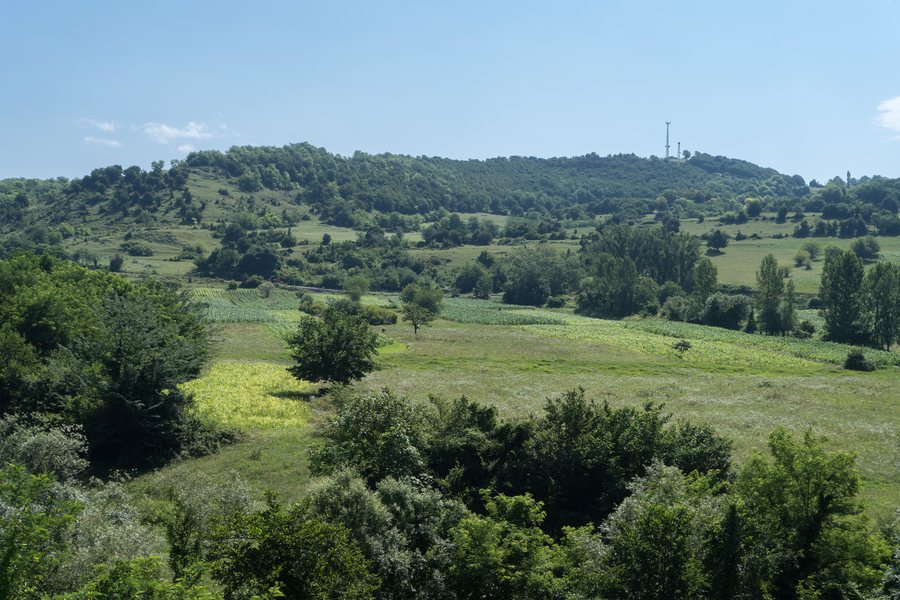
Imereti at a glance
The major rivers Rioni and Kvirila flow through this forested region. The Imereti Caves Protected Areas cover 504.6 hectares: these include the Sataplia Nature Reserve at 330 hectares, the Sataplia Managed Reserve at 34 hectares, the Prometheus Cave Natural Monument at 46.6 hectares, and 17 other natural monuments.
Prometheus Cave is 1.8 kilometres long and lies 40 metres below sea level. Cultural stops range from the ancient temple city of Vani to monasteries with medieval murals and mosaics.
What cave and nature experiences does Imereti offer?
At Prometheus Cave, a one-hour visitor route passes through the halls of Argonauts, Colchis, Medea, Love, Prometheus and Iberia. It can end with a 15-minute excursion along the underground course of the Kumi River, either on foot or by boat. The length of the route and its named halls give you a clear idea of what to expect on this cave visit.
The experience at Okatse Canyon is different: the visitor route takes two to three hours and leads through the historic Dadiani Forest and along a 780-metre hanging path to a viewpoint. If you are weighing up a cave route and a visit to the canyon, you can use these different formats as a guide: underground halls and a river course on one hand, forest and a hanging path on the other. Guided group tours are available on site at Sataplia Cave.
Tetra Cave combines natural formations with archaeological finds: it has stalagmites, stalactites, columns and floating calcites. Around 15,000 artefacts have been found in the cave, including pieces from the Palaeolithic era. It also has a wine cellar where visitors can taste wine.
Which cultural sites define the region?
Vani is an ancient temple city in the Colchis Lowlands, dating from the 7th to the 1st century BC. The Vani Archaeological Museum displays a statue of Nike, the Greek goddess of victory, dating from the 2nd to the 1st century BC. Imereti is an important cultural landscape beyond Vani, too: archaeologists have discovered numerous significant treasures there dating back several thousand years.
Gelati Monastery houses a 12th-century mosaic. It depicts the Virgin Mary with the infant Jesus, as well as the Archangels Michael and Gabriel. Ubisi Monastery includes a four-storey tower dating from 1141. Its murals depict the twelve great feasts of the Church, including the Last Supper and Saint George; they were painted by the artist Damiane and his student Gerasidze.
Other notable structures include the Church of St Catherine at Mghvimevi Monastery, carved entirely into a rock face, and the monastery’s main cave, which is 35 metres deep. The Katskhi Pillar is a 40-metre-high monolith with a small church at its summit; another church stands on its western side. Katskhi Church is an active temple.
What should you know about regional cuisine and wine?
Imeretian khachapuri is distinguished by its thin, tender dough and Imeretian cheese. In some villages in the region, it is traditionally baked on a ketsi, a clay pan over hot embers. This means the regional variety offers more than a combination of ingredients: the baking method is also part of its tradition.
The wines Tsitska-Tsolikauri and Krakhuna have natural effervescence and a comparatively full structure. At the Churi Chinebuli winery in Meore Sviri, visitors can see churi vessels buried in the ground, learn about the production of amber wine, and taste churi wine alongside classic wine. This offers ways to explore wine through the grape varieties mentioned, as well as through its production and tasting.
Which places and subregions can you explore further?
Navenakhevi Cave has a visitor centre, a cafeteria, an amphitheatre and attractions for children. The paved road to the cave is accessible to all types of vehicles. These are practical points of reference for travellers who want to consider activities for children alongside nature experiences.
If you would like to focus on individual subregions of Imereti, here are some more places to explore: Alaverdi, Chkvishi, Chiatura, Terjola, Meore Obcha, Vardzia, Motsameta, Kveda Kinchkha, Etseri, Zestafoni, Kursebi, Tskaltubo, Sairme and Kutaisi. When choosing accommodation, you can first weigh up the experiences that matter for your trip: caves, cultural sites, regional cuisine or activities for children.
FAQ
How long does the visitor route through Prometheus Cave take?
The route through the halls of Argonauts, Colchis, Medea, Love, Prometheus and Iberia takes one hour. It can end with a 15-minute trip along the underground course of the Kumi River, on foot or by boat.
How much time should you allow for the route at Okatse Canyon?
The visitor route takes two to three hours. It leads through the historic Dadiani Forest and along a 780-metre hanging path to a viewpoint.
What makes Imeretian khachapuri distinctive?
It is typically made with thin, tender dough and Imeretian cheese. In some villages in Imereti, khachapuri is traditionally baked on a ketsi, a clay pan over hot embers.
For the broader travel overview: Georgia.

