
Parks in Kyiv: Hills, Gardens, and Dnipro Riverbanks
Kyiv combines central viewpoints, small city parks, a large botanical garden, and extensive Dnipro riverbanks. Central parks are suitable for short visits; the garden and wooded areas require dedicated time and clear information about access conditions.
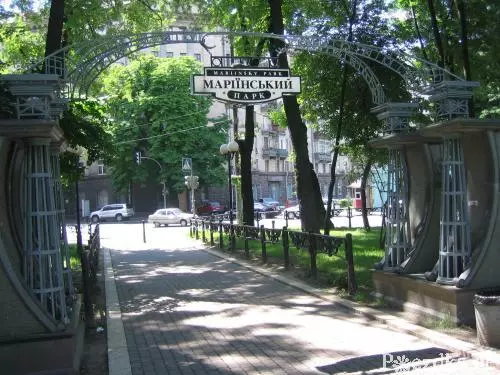 Eingang zum Mariinski-Park in Kiew.
Photo: Ilya Kalachev
Quick facts: Parks in Kyiv
- Volodymyrska Hill and Mariinsky Park are close to the historic city center.
- The M. M. Gryshko National Botanical Garden is a large attraction with its own visiting hours.
- Stairs, slopes, and longer routes affect walking times and accessibility.
- Separate access restrictions apply to forests and woodland parks under martial law.
Safety and current access
A curfew is in force in the city, and its hours may be changed at short notice.
A notice from the Dniprovskyi District administration states that access to forests and woodland park areas on foot and by vehicle is prohibited under martial law. This rule applies to wooded areas and should be distinguished from an ordinary city park or public riverside path. Actual access to a particular site depends on local instructions and closures.
Central hills and city parks
Volodymyrska Hill has walking paths and views of the Dnipro and parts of the city. Stairs and slopes make the terrain an important factor when choosing a route. The hill can be combined with the historic center and Kyiv city center; Mariinsky Park is closer to central buildings and is suitable for a shorter visit. For a cultural stop, museums in Kyiv complement a walk.
Taras Shevchenko Park is another green space in a central location. If you want to compare several parks in Kyiv, you can pair central parks with a museum rather than trying to visit far-flung sights in one day. Choosing accommodation based on location and your daily itinerary can shorten your journeys.
Botanical garden and longer walks
The M. M. Gryshko National Botanical Garden is a destination in its own right. Its official visiting hours apply daily: from September to April, it opens at 8:30 a.m. and remains open until dusk. It is located at 1 Sadovo-Botanichna Street. The greenhouse complex has separate hours, Wednesday to Sunday from 11 a.m. to 5 p.m.; ticket sales end 30 minutes before closing.
In spring, magnolias and other flowers can be a highlight of a visit; what is in bloom depends on the weather and season. The garden’s size means you should allow time for walking and breaks. Kyiv Botanical Garden is therefore quite different from a brief stop to enjoy the view from a central hill. Khreshchatyk Park is better suited to a short visit near the center.
Dnipro riverbanks and other destinations in Ukraine
Riverside paths and islands have their own access points and uses. For a walk along the Dnipro, the specific stretch matters; a path beside the water is not the same as entering a woodland park. Kyiv’s green spaces differ from other Ukrainian destinations: Lutsk and Yalta are outside Kyiv and are not local park excursions.
There are other cities and landscapes in Ukraine. Poltava, Lutsk, and the Dnipro region are separate stops. Within the city, museums, parks, and riverside paths are closer together than these destinations elsewhere in the country.
Routes and planning your day
Stairs, slopes, terrain, and dusk determine how long a walk will take. For people with limited mobility or those using strollers, a specific route with fewer steps is more suitable than attempting to visit the entire hill area. It is best to set aside a separate block of time for the Botanical Garden; central parks are easier to combine with historic and cultural sights. Ukraine’s airspace and Kyiv’s airports are closed to civilian air traffic; entry to and departure from the country are by land.
Spring and autumn are often good seasons for longer walks. In summer, shade and water breaks are important; in winter, icy conditions and early darkness can limit routes. Public natural areas are not all alike: city parks, woodland parks, riverbanks, and the Botanical Garden have different access points and rules. Getting around and transport and careful trip planning take local travel and daylight hours into account.
For your stay and choice of route, entry requirements and documents and staying safe while travelling under current conditions are also important. The green spaces have a place in the city’s history alongside culture and history; beyond the center, nature and landscapes offer different access points and routes.
Frequently asked questions about parks in Kyiv
How do you get to the Botanical Garden by public transport?
From Pecherska metro station, take bus 62 or trolleybus 14 to the final stop, Botanical Garden. The entrance is at 1 Sadovo-Botanichna Street.
