
Feodosia in Crimea: Harbor, Coast, and City History
Feodosia lies on the southeastern coast of Crimea, on the Black Sea. The city was founded as a Greek colony and later developed into an important trading center under the name Caffa. Today, the peninsula is legally part of Ukraine, but is de facto controlled by Russia.
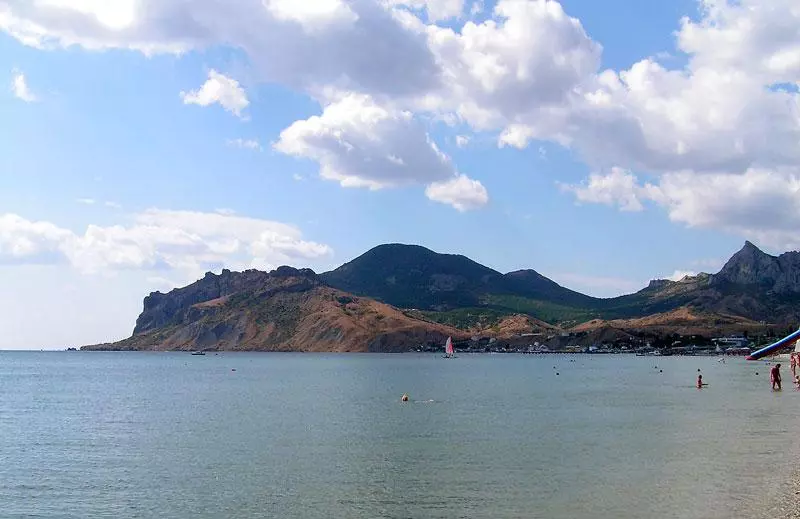 Küste bei Koktebel westlich von Feodossija mit dem Karadag-Massiv (Symbolbild). Foto: Ilya Kalachev.
Photo: Ilya Kalachev
Feodosia at a glance
- Feodosia lies in southeastern Crimea on the Black Sea.
- The city traces its origins to the Greek colony of Theodosia.
- Under Genoese rule, it was called Caffa; after the Ottoman conquest in 1475, it was called Kefe.
- Crimea is legally part of Ukraine and is de facto under Russian control.
- Entry from Ukrainian territory requires a Ukrainian permit; entering via Russian territory is illegal under Ukrainian law.
- Ports and airports in Crimea are closed.
Greek city and trading history
The Greek colony of Theodosia was established on the Black Sea coast. In 1275, the Genoese set up a trading post called Caffa on the remains of the ancient city. The city subsequently became the most important center of Genoese possessions in Crimea. The Ottoman conquest of 1475 brought this rule to an end, and the city was renamed Kefe.
The sequence from Theodosia to Caffa to Kefe shows how Feodosia was shaped by its seaside location, trade, and successive political rulers. The city is part of the history of Crimea; its modern history is also part of the history of Ukraine. Through the Black Sea, the city's trade reached far beyond Crimea.
Southeastern coast and inland areas
Feodosia lies on the southeastern coast of the peninsula. Simferopol is inland; Sudak lies southwest of Feodosia on the coast. Koktebel is west of the city. Sochi, on the eastern Black Sea, and the Romanian Black Sea coast lie outside Crimea and are part of different stretches of coastline.
Crimea encompasses steppe, mountains, and coastal landscapes. The Crimean Peninsula lies between the Black Sea and the Sea of Azov; Sudak and Koktebel lie west and southwest, respectively, of the Feodosia coast.
Current status and travel conditions
The German Federal Foreign Office states that Crimea is legally part of Ukraine and is currently de facto controlled by Russia. Travel from mainland Ukraine requires a permit from the relevant Ukrainian authority. Entering via Russian territory, including by air or sea, violates Ukrainian law and may result in an entry ban and prosecution. Ports and airports in Crimea are closed.
City history and regional context
Feodosia's former role as a Greek and Genoese trading city sets it apart from inland settlements on the peninsula. The city's history can be considered alongside regional developments in Sudak and Koktebel. Different local histories intersect along the Black Sea coast and in the hinterland.
The history of the coast and its trade connects Ukraine with other regions of Eastern Europe. Ukraine encompasses a variety of landscapes and cultural regions as well as Crimea; the Crimean Peninsula has its own historical context. Steppes, coasts, and mountains are among Eastern Europe's natural and physical landscapes; successive rulers and trading centers are part of its culture and history.
Every trip plan needs to take into account the legal situation, access requirements, transport, and accommodation. For choosing accommodation based on destination and location, transport routes and the specific place of stay are important. Entry to Feodosia is subject to Ukrainian regulations, while the peninsula is de facto controlled by Russia. Current guidance on entry and documents, safety while traveling, getting there and transportation, and travel preparation relates to the restrictions in force.
Frequently asked questions about Feodosia
When was the Greek city of Theodosia founded?
Theodosia traces its origins to a Greek colony founded in the 6th century BC. The Genoese trading post of Caffa was established much later, in 1275, on the remains of the ancient city.
