
Koktebel: Coastal Landscapes and Cultural History in Crimea
Koktebel is a coastal town in Crimea, shaped by the sea, its landscapes, and a long cultural history. When planning a trip to Koktebel, first decide what role the destination should play in your itinerary: a starting point, a stop on a tour, a base for exploring towns, a nature stop, or a longer stay. This helps create a route that works well on the ground, rather than simply stringing together a list of places.
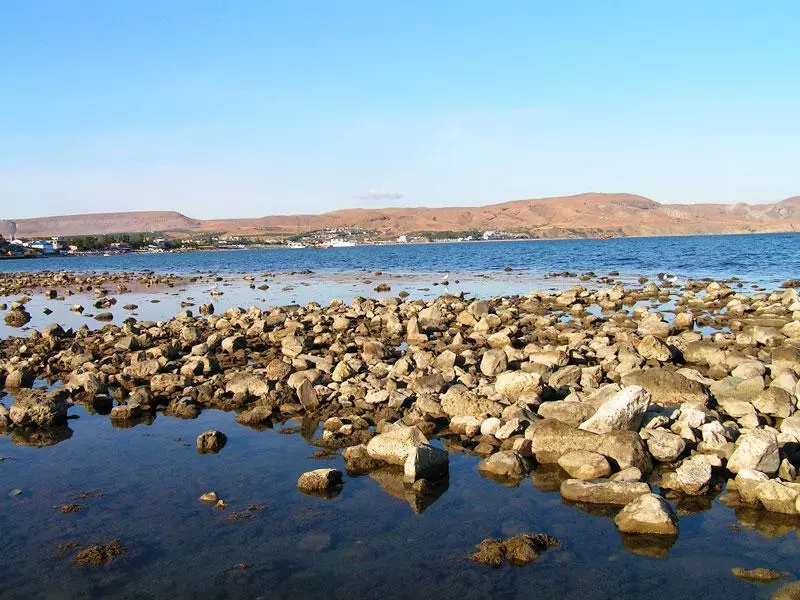 Strand bei Koktebel
Photo: Ilya Kalachev
Strand bei Koktebel
Photo: Ilya Kalachev
Quick facts: Koktebel
- Koktebel lies on Crimea’s southeastern coast and is defined by the sea, hills, and steppe landscapes.
- The town is associated with beaches, coastal paths, an artistic tradition, and the surrounding landscape.
- Sudak, Feodosia, Yalta, and Sevastopol each offer a different coastal and urban character.
- Historical and geographical context does not replace checking current safety conditions and access.
- Beaches, hiking trails, events, and accommodation may be seasonally or temporarily unavailable.
- Entry, insurance, transport, and safety information must be checked before making any specific plans.
Overview and travel experience
The character of a trip is shaped by the coast, hills, seaside resorts, walking paths, local cuisine, and excursions nearby. When planning, it is important to consider distances, the time of year, transport options, and onward destinations together. Long distances, transport connections, and seasonal conditions can significantly affect an itinerary.
For travel planning today, the current situation, accessibility, and official advisories require especially careful checking. It is more realistic to choose a few fixed stops and leave time between them for getting from place to place. This helps with arrival days, longer bus or train journeys, and regions where weather, the season, or local holidays can change the day’s plans.
Towns, landscapes, and culture
The waterfront, viewpoints, beaches, and the landscape around town are the main draws of a stay. A good itinerary combines well-known places with quieter stretches. Capital cities, old towns, museums, and markets provide a sense of direction, while coasts, mountains, rivers, lakes, and spa towns change the pace and make a trip feel less packed.
Koktebel should not be seen merely as a seaside resort, but as part of a coastal region with changing conditions. It is especially helpful to set one clear focus for each day. A museum, a neighborhood, a viewpoint, or a stretch through the landscape is more likely to stay with you than a schedule that crams in too many stops.
Routes and combinations
The town fits naturally into an itinerary with other destinations in Crimea, such as Sudak, Alushta, Yevpatoria, and other coastal towns. Crimea Alushta Yevpatoria The best combinations follow actual transport routes and connect nearby places with related themes. A country overview can help you organize your options, but it does not replace checking specific routes, overnight stops, and seasonal connections.
Before travelling, it is essential to check current transport routes, the security situation, entry requirements, and accommodation availability. For touring, two to four carefully chosen bases are often more comfortable than changing locations every day. From these bases, excursions, town visits, and nature destinations can be combined more easily. If travelling by car, consider parking and road conditions; for bus and train travel, frequency, transfers, and return services matter more than straight-line distance.
When to go and practical tips
Summer is associated with swimming and coastal life, while spring and autumn can be better for quieter walks and taking in the scenery. Spring and autumn are often good for towns, touring, and active days outdoors. Summer is especially suited to the coast, lakes, long evenings, and mountain regions, but can put greater pressure on accommodation and transport. In winter, short journeys, museums, cafés, thermal baths, or winter sports resorts become more important.
Before booking, check current entry advisories, timetables, opening hours, public holidays, local rules, and weather conditions. Border regions, national parks, islands, mountain routes, and historic sites are worth checking again shortly before your trip. Building in spare time is not a waste; it leaves room for spontaneous discoveries and breaks. In Koktebel, match your accommodation location with your main daily routes and allow for realistic breaks.
Plan carefully for Koktebel on Crimea’s coast
Koktebel is a town on the Crimean coast associated with the sea, landscapes, cultural history, and excursions in the surrounding area. When making current travel decisions, the political situation, accessibility, and official advisories require especially careful checking, as Crimea is a sensitive region.
Koktebel is best understood through its coast, mountains, paths, length of stay, and historical significance. When considering the town, it is important to distinguish clearly between its tourism tradition, natural environment, and present-day travel conditions.
Koktebel can be considered in terms of its coastal location, landscape, cultural history, and potential length of stay. Comparing it with Crimea, Sudak, and Yalta highlights the different character of each place. Beaches in Crimea and festivals in Crimea are separate topics; older event information should not be treated as a current programme.
For practical planning, check current information on entry and documents, staying safe while travelling, getting there and transport, and travel preparation. For coastal and nature-related information, nature and landscapes provides a thematic overview; culture and history is useful for historical interests. Confirm accommodation, access, and the return journey again immediately before making a decision.
Practical travel planning
Koktebel remains a scenic destination in Crimea, but travelling there today calls for especially cautious, up-to-date checks. By deciding on your main interests, you can combine well-known places, regional culture, and quieter stretches in a way that suits you. This makes it easier to coordinate your time, interests, and distances.
Understanding the coast, landscape, and local history
Koktebel is shaped by its coast, rolling hills, open landscapes, and the town’s cultural history. For geographical context, see the Crimea overview and comparisons with Sudak and Feodosia. Coastal paths, viewpoints, and beaches belong to different parts of the day and do not automatically amount to a current excursion recommendation.
Yalta, Sevastopol, and Simferopol offer different urban and landscape settings. Geographically, Koktebel is part of Crimea; other landscapes in Ukraine should be treated as separate itinerary stops, with their own travel arrangements. Additional information about Ukraine can help with specific preparations. For nature and culture, nature and landscapes and culture and history offer useful perspectives.
Before making any specific decision, check current information from relevant sources on entry and documents, staying safe while travelling, getting there and transport, and travel preparation. The German Federal Foreign Office provides information on the security situation in Ukraine. Older information about beaches, events, or transport is not current travel advice.
FAQs about Koktebel
What is Koktebel known for?
The town is associated with the coast, beaches, hills, landscapes, and a strong artistic and cultural history.
Where is Koktebel, geographically?
Koktebel lies on the southeastern coast of Crimea. Sudak and Feodosia offer points of comparison, but each has its own landscape and local history.
Can older travel and event information be relied on?
No. Opening hours, events, transport services, access, and safety conditions must be checked for up-to-date information before making any specific decision.
What is especially important before travelling?
Check current safety and entry advisories, insurance terms, access conditions, accommodation, and the possibility of returning before making any travel plans.
