
Juodkrante: Curonian Spit, Lagoon, and Forest
Juodkrante lies on the Curonian Spit between Klaipeda and Nida and feels quieter than its better-known neighbor to the south. The town is ideal for travelers looking for short distances, nature, lagoon views, and a relaxed atmosphere. Anyone planning a trip through Lithuania can choose it as a destination in its own right or combine it with other stops in the Baltics.
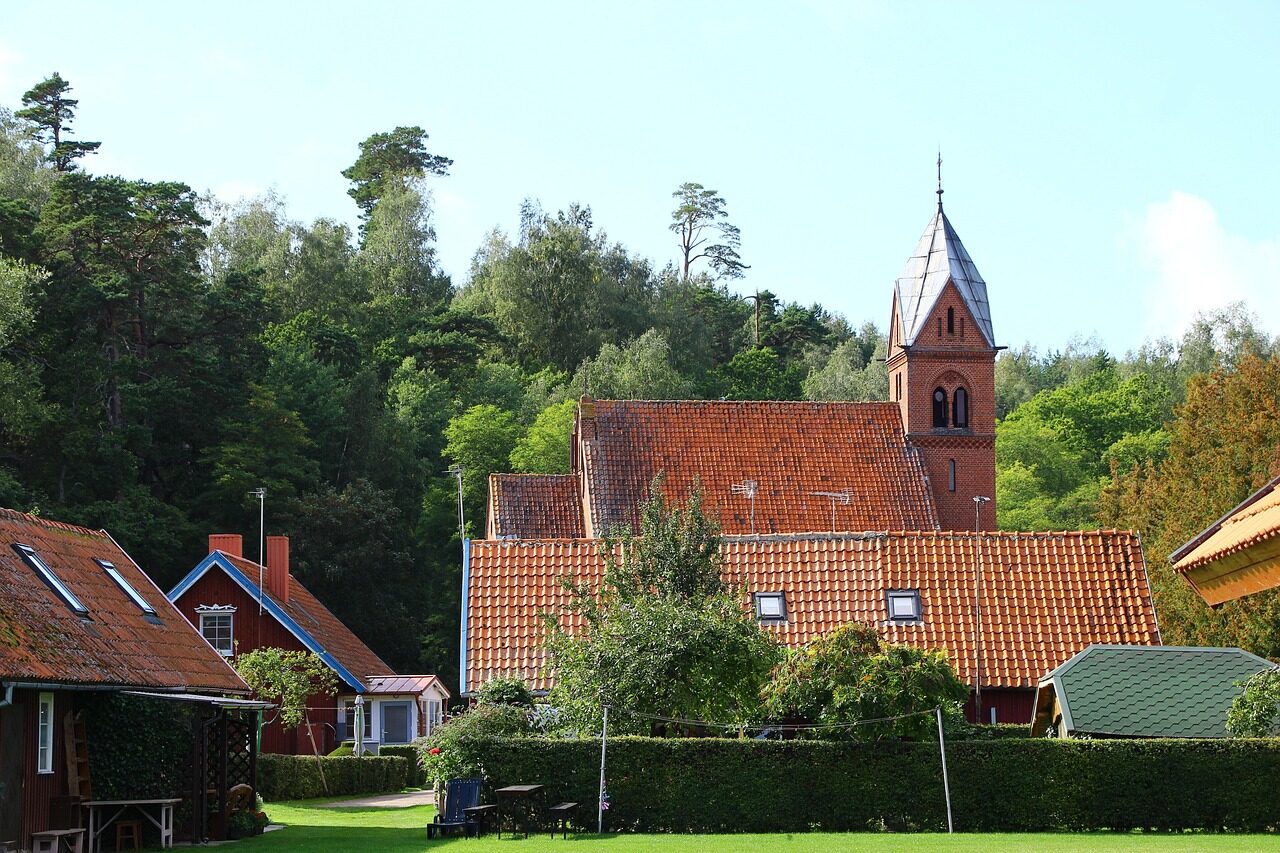 Juodkrantė: Natur, Kultur und Erholung
Photo: Spudaitis from Pixabay
Juodkrantė: Natur, Kultur und Erholung
Photo: Spudaitis from Pixabay
Quick facts: Juodkrante
- Juodkrante lies on the Curonian Spit between Klaipeda and Nida.
- The lagoon shore, forest, dune landscape, and Baltic Sea beach shape the stay.
- The Hill of Witches and the cormorant and heron colony offer distinctive walking routes.
- Wind, weather, ferry traffic, buses, cycling routes, and beach access affect the day's plans.
- Nida, Klaipeda, and Neringa are nearby alternatives, but they do not automatically make for a short combined route.
- Check parking, protected-area rules, accommodation, and seasonal opening times before your trip.
Getting your bearings
Juodkrante: a quieter town on the Curonian Spit is a destination that is easy to plan without rushing. Its position in relation to neighboring towns, the railway station, coast, river, lagoon, or national park is important. This quickly helps you decide whether a day trip is enough or whether an overnight stay would give you more flexibility.
For route planning, it is worth considering Lithuania, Neringa, Nida, Klaipeda, the Baltics, Estonia, Vilnius, and Kaunas. These are natural additions if your trip already takes you through Latvia, Lithuania, or neighboring Baltic countries.
What defines the town
Its character comes from its landscape, history, and present-day uses. Juodkrante is about more than individual sights: it is about paths, shores, squares, parks, and how a stay feels throughout the day. It is especially helpful to get familiar with the central areas first, then plan excursions or longer walks.
- the Hill of Witches, with wooden sculptures in a forested dune area
- the lagoon shore, with its promenade, boats, and far-reaching views
- forest paths and beaches on the Baltic Sea side of the spit
- wildlife watching around the cormorant and heron colony
Many of the area's attractions are best discovered on foot. Short distances make it easy to combine historic districts, promenades, shorelines, and natural sights without constantly changing transport. If you are traveling by public transport, check the return journey early, especially outside the high season or when visiting smaller towns. For Juodkrante, plan the departure point, transfers, and return journey around your specific itinerary.
Planning your visit
In summer, coastal towns, spa resorts, and popular excursion destinations are considerably livelier. It is then worth checking accommodation, ferry times, and longer transfers well in advance. Spring and autumn are quieter, but opening hours may be shorter and some tourist services may be suspended. For Juodkrante, plan the departure point, transfers, and return journey around your specific itinerary.
Short stages work well for families, since beaches, parks, museums, and viewpoints often take longer to explore than a map might suggest. If you want to take photographs, hike, or simply enjoy longer breaks, it is better to allow an extra half-day. Wind and weather can quickly change the rhythm of a day, especially on the Baltic coast and the Curonian Spit. For Juodkrante, therefore, consider the season together with trail conditions, opening hours, and available daylight.
Connections to the surrounding area
Juodkrante combines easily with other places in the region. In Latvia, Riga, Jurmala, and Sigulda offer contrasting experiences: a city, the coast, and the Gauja landscape. In Lithuania, Klaipeda, Palanga, Neringa, Nida, and Juodkrante make a good combination for a trip along the western coast.
If you have more time, you can combine your stay with Vilnius, Kaunas, Tallinn, or other stops in the Baltics. For a first trip, a clear shortlist is often enough: one capital, one coastal destination, and one nature or spa destination. In Juodkrante, alongside the sights themselves, consider trail conditions, weather, daylight, and a safe return journey.
Practical information
The best time to visit depends on what you want to do. June to August is most pleasant for the beach and long evenings. May, September, and often early October are appealing for sightseeing, spa stays, museums, and quiet walks. Many places are quieter in winter, but can still be a good choice for culture, wellness, or a short city break. For Juodkrante, therefore, consider the season together with trail conditions, opening hours, and available daylight.
The location of your accommodation matters more than the distance alone. Staying near the railway station, ferry, promenade, or old town saves time and makes it easier to take spontaneous breaks. If you are traveling by car, check parking options in advance, especially in seaside resorts and protected areas. The Curonian Spit also has ferry and protected-area rules to consider. For Juodkrante, compare the accommodation location with your main daily routes and realistic break times.
Make Juodkrante a quieter stop on the spit
Juodkrante is a quiet stop on the Curonian Spit, ideal for travelers who want to enjoy the lagoon shore, forest, walking trails, and the Hill of Witches at an unhurried pace. Rather than a must-see destination, the town feels like a slower stretch of the journey through the landscape.
When planning, consider bus connections, cycling routes, weather, and the town's location between Klaipeda and Nida. This makes it easy to include Juodkrante as either a day trip or a quieter stay during a journey along the spit.
When choosing between Juodkrante, Nida, and Palanga, start with the kind of pace you want for your day. Juodkrante combines the lagoon, forest, and Hill of Witches with short distances, while Nida is more defined by its dunes, harbor, and cultural history. Palanga offers a livelier Baltic Sea getaway. Neringa, Klaipėda, and Lithuania help put this stop in its geographical context.
For detailed planning, check ferry or bus connections, cycling routes, beach access, and return journeys for the relevant season. If you only have a few hours, focus on the lagoon, forest, or coast rather than trying to visit destinations that are far apart. The information on getting there and getting around and travel preparation helps you coordinate the weather, breaks, and the actual length of your stay.
Conclusion
Juodkrante is a worthwhile stop on a trip through Lithuania: it has a distinct character of its own and can also be combined easily with nearby destinations. The visit is most rewarding when you avoid packing too many stops into a single day. That leaves time for waterside walks, short museum visits, café breaks, and the quieter side of the Baltics.
Combine the lagoon shore, forest, and coast to suit your schedule
Juodkrante is ideal for travelers who want to explore the Curonian Spit without an overly packed itinerary. The lagoon shore, forest paths, dunes, and Baltic coast call for different routes and footwear. If you only have a few hours, choose one focus; an overnight stay leaves more time for weather breaks and quieter stretches.
For regional planning, consider the Baltics, Lithuania, Neringa, Nida, Klaipeda, Palanga, Kaunas, and Vilnius. Combine these destinations based on ferry or bus connections, distance, and the pace you want for each day.
Before setting off, check the latest information on getting there and getting around and travel preparation. The official travel information for Neringa provides further information about destinations and seasonal conditions. Confirm ferry services, parking, cycling routes, beach access, weather, and protected-area rules for your specific dates.
Juodkrante FAQ
What is Juodkrante suitable for?
The town is ideal for exploring the lagoon shore, forest, dune landscape, walking trails, and a quieter stretch of the Curonian Spit.
Can you visit Juodkrante and Nida in one day?
That depends on the season, bus or ferry connections, weather, and how long you want to spend at each place. Allow enough time for the return journey and unexpected delays when planning a visit to both.
What should I keep in mind at the Hill of Witches?
The Hill of Witches is a walk in its own right, through a forested dune landscape. Check trail conditions, weather, how much time you will need, and local guidance before your visit.
Is Juodkrante suitable for a visit by car?
That depends on parking availability, the season, and protected-area regulations. Check vehicle and ferry requirements, accommodation, and routes in advance.
