
Savyolovsky Railway Station in Moscow: Access, Transfers, and Timing
At Moscow’s Savyolovsky railway station, the specific travel arrangements matter more than a general location description. Before departure, check your ticket, train direction, entrance, and timing; after arrival, focus on the right exit, the route to your accommodation, and your next connection. This makes the station’s role as a transport hub clear and helps you plan your time in the city realistically.
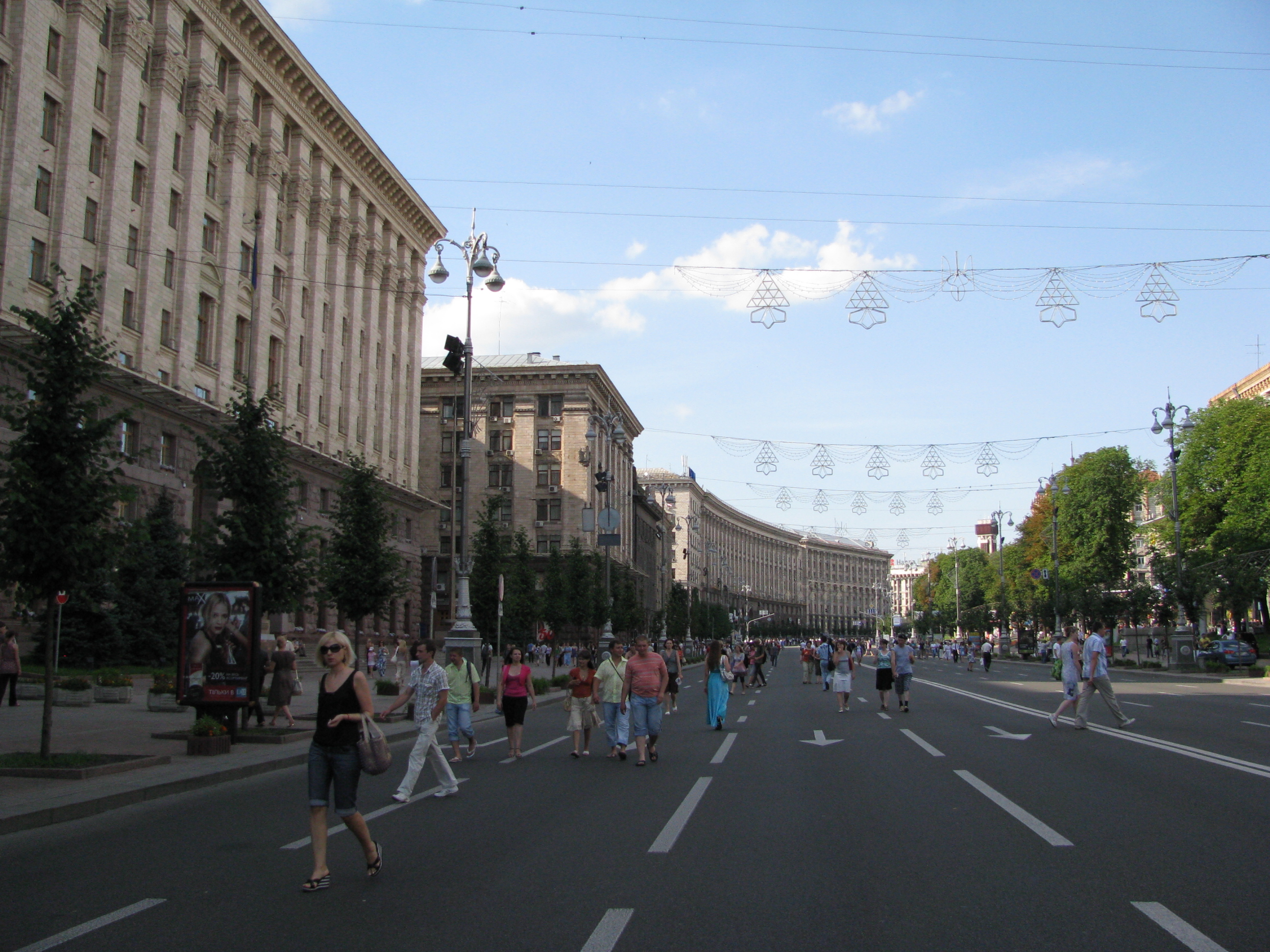 Belebte Straße im Zentrum von Kiew als Motiv für eine Städtereise.
Photo: Ilya Kalachev
Belebte Straße im Zentrum von Kiew als Motiv für eine Städtereise.
Photo: Ilya Kalachev
Quick facts: Savyolovsky railway station
- Savyolovsky railway station is one station in Moscow’s rail and urban transport network.
- The right connection depends on your ticket, timetable, destination, and travel date.
- Check metro access, the exit, the platform, and your onward route separately.
- Allow extra time if you have luggage, a tight connection, or an unfamiliar route.
- Having your address saved and an alternative onward journey makes your plans more robust.
- For additional city information, consult the official Moscow city portal.
Check your ticket and destination
Plan your journey from Savyolovsky railway station using all the details on your ticket. These include the train number, destination, departure time, and station name. The city name alone is not enough, since travelling to a different Moscow station may involve extra time and require a revised schedule.
The overview of Moscow railway stations puts the individual stations into context. For your specific departure, however, the current departure board and your booking are what matter. If you’re travelling from your accommodation, also include the route in Getting there by transfer and public transport in your timing.
Access, metro, and exit
A transport hub may look close on a map, while the walk from the metro entrance to the right station entrance takes longer than expected. Before your travel day, work out which exit you need for your accommodation, a taxi, or your next train. On arrival, a saved destination address with the district, street, and building number is more useful than an abbreviated place name.
If you’re staying in Moscow, treat the train journey as a separate leg of your trip. A city visit before departure calls for enough time to get back, manage your luggage, and reach the station entrance. After arrival, heading straight to your accommodation may make more sense than adding another activity if you’re unsure of your way or your onward connection.
Plan suburban rail and transfers in practical terms
At Savyolovsky railway station, note your arrival, platform, and onward journey in that order. For a transfer, consider not just the scheduled travel time but also the walk between the departure board, exit, metro, and next connection. The guide to train travel and railway stations can help you compare your options; the specific sequence depends on your own ticket.
If you need to connect to another Moscow station, plan each station separately. Kursky railway station and Rizhsky railway station are not interchangeable place names. What matters is your destination, the stations’ locations, the metro, traffic, and how long it takes to travel with luggage.
Luggage, weather, and time of day
Heavy luggage, snow, rain, or busy city traffic can make journeys take longer. So when using the travel checklist and itinerary, note not only your departure time but also when to leave your accommodation, how much buffer time to allow at the station, and how long it will take to return after a visit.
If you arrive late, have your accommodation address and onward travel options ready in advance. Offline maps and saved addresses make it easier to find your way without mobile service. A brief note about the exit or destination can be more useful in an unfamiliar station than a lengthy route description.
Continue by train, bus, or plane
Savyolovsky railway station may be one stop on a longer city break or round trip. After arriving, plan your accommodation, luggage, and next appointment in that order. If you’re continuing by long-distance coach or travelling to an airport, check the departure point separately; “Moscow” alone isn’t enough to plan your route.
If your trip involves several stations, include an alternative in your plan. This could be a later connection, a different entrance, or an extra night’s stay. Make your decision based on ticket conditions, current timetable information, and the time you have available—not on an outdated, general route description.
Documents, addresses, and payments
Keep your ticket, identity document, booking confirmation, and accommodation address easy to access during your journey. The advice on passports and personal documents can help with your preparations. If your journey crosses a border, check entry requirements and documents as well as any transit conditions separately before setting off.
It’s a good idea to have a second payment option for buying a ticket, arranging a transfer, or taking a short trip on another form of transport. That’s why a card, cash, and a second payment option belong on your travel checklist. If you’re travelling in a group, make sure a second person can access the key addresses and contact details in case a phone stops working or you split up.
Communication at the station
Place names may be spelled differently on your ticket, the departure board, and the map. Save the full name, an easy-to-read transliteration, and the type of destination—for example, a railway station or accommodation. The advice on language and communication can help you show people the details and answer questions clearly.
Before setting off, rehearse your route once without internet access: open the address, identify the station, note the exit, and read through the next leg. On arrival, compare the departure board with your ticket again. This quick check helps prevent mix-ups without assuming any particular current connection.
Before departing from Savyolovsky railway station
On the day of travel, check your train number, destination, platform, entrance, and the time until your next appointment. If you have a connection, allow time to get from the station exit to the next form of transport, as well as time to return to your accommodation. A sufficient buffer leaves room for a changed departure board, a different exit, or a longer luggage check.
Arriving and getting to your accommodation
After arriving, first check your full accommodation address against the exit and your next means of transport. If you’re staying at a hotel or holiday apartment, have the building number, district, phone number, and possible check-in time handy. This is especially useful if the walk across town isn’t practical or your luggage slows you down.
If you’re using Savyolovsky railway station only to change trains, plan the next leg separately from your stay in Moscow. Give a museum, restaurant, or other station its own time slot. This way, your next appointment won’t depend on finding an exit, a metro entrance, or luggage storage.
Plan B for delays or changed access
If your train is delayed or an entrance is signposted differently, first compare your ticket, the departure board, and the nearest available source of information. Then adjust your onward journey. An alternative could be a later connection, a different route to your accommodation, or an extra night’s stay; the right option depends on your booking, the time available, and current traffic conditions.
Make sure someone you can contact knows your accommodation address and travel route. With a second payment option and an offline note, your group can still manage even if your battery runs out or you lose mobile service. Saved maps and addresses are especially useful in these situations.
FAQ
What details matter at Savyolovsky railway station?
The station, train number, destination, departure time, entrance, platform, and route to your next destination are all important.
How should I plan the journey from my accommodation?
Allow for the walk, metro or transfer, access to the station, and extra time for luggage and finding your way.
What should I keep in mind when changing trains in Moscow?
Check both stations, the change of transport, the route with your luggage, and the time you have available separately.
Is a map app enough without an internet connection?
It’s useful, but should be backed up by the full address, ticket, destination, and a note you can show someone.
Which documents should I keep immediately accessible?
You should be able to show your ticket, identity document, booking confirmation, accommodation address, and a contact number at short notice.
