
Kursky Station in Moscow: train direction, access, and transfers
At Moscow’s Kursky Station, a smooth departure depends above all on the details on your ticket, the right entrance, and your route after you arrive. Don’t treat the station as just a place name in your booking: include the train’s direction, departure time, metro, luggage, and next destination in the same travel plan.
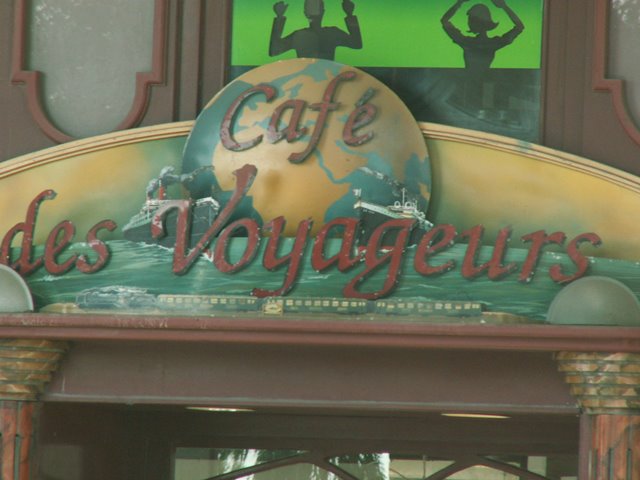 Ein Café-Schild an einer historischen Fassade als Motiv für eine Stadtreise.
Photo: Voyagemedia - RRinnau
Ein Café-Schild an einer historischen Fassade als Motiv für eine Stadtreise.
Photo: Voyagemedia - RRinnau
Quick facts: Kursky Station
- Kursky Station is a specific transport hub within Moscow’s rail network.
- The timetable for your travel date and the train’s direction on your ticket determine which service is right for you.
- Before departure, check the metro entrance, exit, platform, and route to your accommodation together.
- Luggage, security checks, and an unfamiliar station area call for a realistic time buffer.
- It’s useful to have a second onward travel option in case the entrance, traffic, or departure time changes.
- You can supplement your plans with current city information from the official Moscow city portal.
Check the train’s direction first
Before heading to Kursky Station, copy the complete journey details from your ticket. It’s not just the station name that matters, but also the train number, direction of travel, departure time, and stated departure location. In a large city with several stations, a similar-sounding name can lead to an unnecessary detour.
The overview of Moscow’s railway stations can help you compare stations. For your actual departure, the details in your specific booking remain decisive. If you’re travelling from your accommodation, also plan the walk, local transfers and public transport, and the route from the exit to the correct entrance.
Metro, entrance, and station surroundings
Rail, metro, and road traffic are closely connected in Moscow, but getting around within a transport hub can still take time. Check in advance which entrance is right for your service and which exit will take you to your accommodation or next station on arrival. A saved map section is no substitute for the full address and the name of your destination.
You can include your departure in your plans for Moscow without confusing the station with a sightseeing destination. If you want to spend a little time in the city before departure, leave plenty of time before your train. If you have a subsequent appointment at a museum, restaurant, or accommodation, setting aside a separate time block is more reliable than trying to calculate down to the last minute.
Plan realistically for luggage and extra time
Heavy luggage changes the route between the metro, entrance, concourse, and platform. So when planning, consider more than just the distance to the station: allow for stairs, elevators, waiting areas, and finding the correct departure board. The travel checklist and schedule can help you note your departure time, journey to the station, buffer, and return route in order.
For an early departure, check the route the day before. For a late arrival, decide how you’ll get to your accommodation and which address you can show. Maps and addresses saved offline are useful if you lose your connection or a saved route is no longer suitable.
Plan the station as part of your onward journey
Kursky Station may be the starting point, arrival point, or a transfer on a longer route. Plan each of these separately: first make sure you can get to the station, then plan the route to your next destination. If you’re continuing from Kiyevsky Station or Rizhsky Station, compare the direction, location, and transfer route again for each station.
Transfers between rail, intercity bus, and air travel also need a time buffer. Information on rail travel and train stations and on intercity buses and ferry connections can help you avoid confusing a departure point with the name of a city. If you need to get to an airport afterward, plan for traffic, luggage, and the time required to check in separately.
Documents, payments, and contacts you can reach
Keep your ticket, ID, and booking details close at hand for departure. The information on passports and personal documents is a useful addition to your travel preparations; for an international journey, also check entry requirements and documents. The required documents, transit rules, and proof depend on your specific destination and the current situation.
A second payment option can be useful if you need to change a ticket, arrange a transfer, or take a short taxi ride. That’s why cards, cash, and a second payment option are practical essentials. When travelling in a group, make sure someone else can access your ticket, address, and contact details in case your phone runs out of battery or you need to split up at short notice.
Before departing from Kursky Station
The day before, compare the train number, direction, departure time, station, and metro entrance with your booking once more. On the day of travel, check the departure board at the station. For questions that require speaking to someone, keep the details saved in both the original script and transliteration; the information on language and communication can help you prepare.
A reliable plan also leaves room for a changed departure-board notice, a different exit, or a longer journey with luggage. If a connection is important, decide on an alternative before departure rather than looking for one after you’ve missed it.
Arrival and your first journey in Moscow
After arriving, first work out whether your next leg is on foot, by metro, by transfer, or using another means of transport. Keep the full accommodation address, district, and a notable entrance close at hand. If you’re staying in a holiday rental or hotel, note the agreed arrival time too.
If you’re only stopping over in Moscow, schedule your trip from the station separately from your later visit to the city. A short stop can be more tiring than expected when you have luggage. Plan a connection to other Moscow railway stations only if the transfer, traffic, and buffer fit your specific ticket.
If your travel plans change
If your train is delayed, an entrance is closed, or your connection changes, first compare your ticket with the current departure information. Then decide whether you need a later connection, a different exit, or an extra night’s stay. Someone else should also be able to access your key contact details and accommodation address.
Your decision should be based on the terms of your own booking and the latest information from the transport operator in charge. General journey times shown on a map aren’t enough. A simple backup plan with a reachable address, extra funds, and additional time will make it easier to continue your journey.
FAQ
Which details should I check before travelling?
Compare the train number, direction, departure time, station, entrance, and route to the next station with your ticket and the current departure information.
How much time should I allow for the station?
It depends on your luggage, time of day, route to the station, and connection. Allow plenty of extra time if the entrance is unfamiliar or you have an important transfer.
Is a route saved in my maps app enough?
No. Also save the full address, station, direction of travel, and a short note for finding your way without an internet connection.
What should I keep in mind when continuing my journey through another Moscow station?
Treat the second station as a separate destination. Don’t base its location, metro route, luggage transfer, or time between connections on straight-line distance alone.
Which documents should I keep close at hand?
Keep your ticket, ID, booking details, accommodation address, and a way to contact you readily accessible.
