
Pair cruises with the right regions and shore excursions
A cruise can reveal a region from several different perspectives: from the water, during short visits ashore, and through the different ports on an itinerary. To make it more than a series of photo stops, travelers should look more closely at the regional focus before booking. Which landscapes, cities, or cultures take center stage? How much time is available ashore? And does the schedule suit your preference for activity, relaxation, or independent exploration?
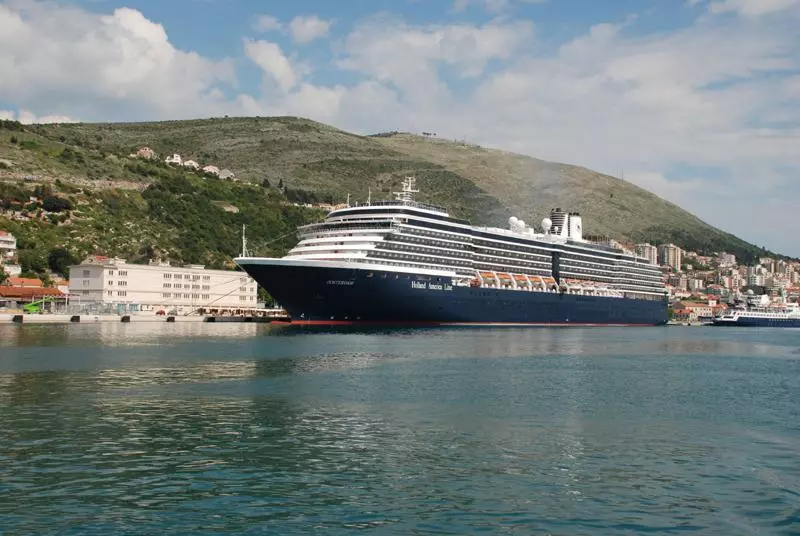 Ein großes Kreuzfahrtschiff liegt vor einer bergigen Küstenstadt an der Adria.
Photo: Ilya
Ein großes Kreuzfahrtschiff liegt vor einer bergigen Küstenstadt an der Adria.
Photo: Ilya
Cruise facts at a glance
- The itinerary determines the ports, but the time spent in port determines how much of a region you can actually experience.
- A ship can be comfortable, but that does not replace checking transfers, excursions, and your own mobility.
- Organized shore excursions are easy to plan; independent visits offer more freedom and require more preparation.
- Long distances between the port and city center can significantly reduce the time available.
- Weather, rough seas, and port changes can affect the schedule.
- A regional focus works better with a few well-chosen destinations than with as many stops as possible.
What does a regional focus mean?
A cruise does not have a regional focus simply because the ship can call at a port. What matters is whether the itinerary allows enough time to experience the region’s landscapes, history, food, or everyday life. For example, a cruise in the Adriatic can link coastal towns with historic cities; the information on coasts and islands can help you assess distances, scenery, and how long to spend in each place. If you are looking for a cultural focus, compare the information on cities, old towns, and architecture.
Before booking, consider the order of the ports. A day spent traveling a long distance to the port followed by a short visit ashore the next day leaves little room for independent exploration. An overnight stay at the departure point can reduce stress. After the cruise, you can extend your stay with relaxation and well-being or by spending extra time in a region.
The ship, cabin, and life on board
When choosing a ship, size and price are not the only factors. Check how many people will be on board at the same time, which areas are quiet, and how the daily schedule is organized. A balcony cabin, an inside cabin, or a cabin near an elevator will suit different needs. If you have limited mobility, check door widths, stairs, elevators, and assistance with boarding and disembarking well in advance.
Meals, clothing, tips, internet access, and excursions can also affect the total cost. A realistic budget prevents a low starting price from turning into an unexpectedly expensive trip. If you are traveling with children, you can apply the advice on family-friendly relaxation to shore visits and breaks. For culinary inspiration, food and local specialties offers ideas for regional markets and dishes.
Independent or organized shore excursions?
An organized excursion is convenient when the port is far from your destination or time is short. The group generally stays together, the schedule is set, and the tour operator coordinates the return. Independent visits are better suited to destinations close to the port and to travelers who are happy to keep track of routes, tickets, and return times themselves.
The most important rule is to leave plenty of time for the journey back to the ship. Allow for waiting, traffic, finding your way, and getting from the city center to the port. For historic destinations, museums and exhibitions and history and memorial sites can help you choose a manageable itinerary. A free afternoon may be more valuable than another excursion to a distant destination.
When to travel and how to prepare
Choose a travel season that suits the climate of your destination and your own sensitivity to heat, cold, or rough seas. Lightweight, mix-and-match clothing, comfortable shoes, sun protection, and a small bag for shore visits are usually more useful than a large wardrobe. Keep your passport, insurance documents, medication, and important booking details close at hand in your carry-on luggage.
Different rules apply to sea travel depending on the route and mode of transport. The European Union guidance on passenger rights offers a useful starting point; the terms and conditions and the tour operator’s specific guidance remain decisive. If you want to plan more sustainably, combine longer stays and fewer short transfers with ideas for responsible travel. Spending time afterward in a peaceful setting can also make the transition from shipboard life to everyday life easier.
When choosing an itinerary, check the departure and arrival times. A very early check-in or a late return may mean additional transfers and an overnight stay. Factor this time and cost in from the outset so that unnecessary rushing does not detract from the regional focus.
FAQ
How do I find a cruise with a regional focus?
Compare ports, time in port, and destinations you can reach. A suitable itinerary gives you enough time to experience the landscapes or culture you actually want to discover.
Are shore excursions tiring?
That depends on the port’s location, the distance involved, the type of excursion, and your own mobility. A short walk with breaks is often the better choice.
What should I pack in my carry-on?
Travel documents, medication, valuables, a charger, important booking details, and clothing for your first hours on board should not go in your checked luggage.
