
Family-Friendly Relaxation in Eastern Europe and Central Asia
Family-friendly relaxation combines day trips with time to rest, eat and play. Children and adults have different rhythms depending on their age and style of travel. For holidays in Eastern Europe and Central Asia, short distances, suitable accommodation and a clear daily plan help make outings and breaks fit together.
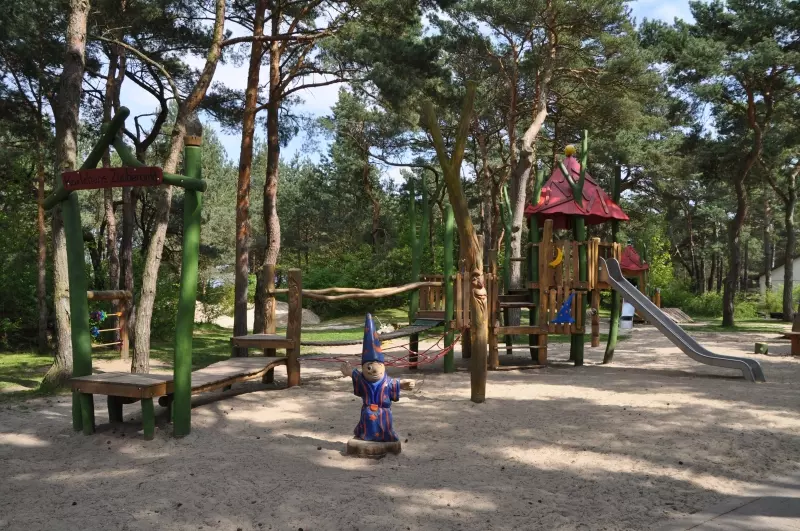 Spielplatz mit Klettergerüst und Rutsche in einem lichten Kiefernwald.
Photo: Karin Höll
Family-friendly relaxation: key facts
- Age and daily routines influence how long an outing should last.
- The location of accommodation and food options affect the daily schedule.
- By the water, supervision, sun protection and breaks are part of planning for families.
- An accessible indoor destination makes it possible to adapt the day when it rains.
- Room to move around and take time out supports relaxation for everyone.
Plan your trip around age and daily rhythms
Young children need regular sleep and mealtimes; older children can have more say in choosing destinations and activities. Longer transfers can be broken up with breaks and time for stopovers. The climate, transport and landscape vary in Poland, Bulgaria, Croatia and the Baltic States; the route you choose determines how much time is available for getting from place to place.
Accommodation with suitable sleeping arrangements, food options and an easily accessible outdoor space makes daily life easier. Depending on the length of your stay, shopping, transporting luggage and access to a pharmacy or medical facility also matter. Use the accommodation search to find options by location and setting.
Water, nature and activity
A beach or lake can fill an entire family day. Water depth, currents, rocks, heat and shade vary from place to place. On the Baltic Sea, places such as Świnoujście differ in location and surroundings from the rocky stretches of the Adriatic coast. The length of walks and trips in nature and the countryside should be suited to the children’s ages and fitness levels.
Choosing one main destination each day leaves room to relax. A day swimming, a short nature trail or a visit to wellness centres and thermal baths can each shape the day. When it rains, museums, small exhibitions or culture and history offer alternatives. A flexible schedule makes it possible to add breaks when children get tired or the weather changes.
Food and safety for everyone
In hot weather, an early start may be more pleasant; in windy conditions or during a thunderstorm, an indoor destination can take priority. By the water, in traffic and on uneven paths, supervision should be appropriate for the surroundings and the children’s ages.
Travellers with special needs should consider access, prams, toilets, seating and quiet places to take a break. Matching day trips to family members’ mobility and energy levels makes it easier to enjoy activities together. Short distances and accessible amenities reduce unnecessary transfers when travelling sustainably.
Eat and explore together
Mealtimes can be built into the day’s schedule, before hunger and tiredness cut an outing short. Local cuisine can be discovered over a meal at markets and cafés. If anyone has allergies or intolerances, checking the ingredients is part of choosing where to eat. Familiar dishes can help children try new foods.
Family-friendly relaxation comes from choices that take everyone’s journeys, breaks and interests into account. A nature outing can be combined with a meal, a playground or a quiet afternoon. This leaves time for spontaneous discoveries without planning every part of the day in advance.
Frequently asked questions about relaxing with children
How many outings can you fit into a holiday day?
One main destination usually leaves time for getting there, meals and breaks. Age, sleep routines, weather and distance all help determine how long the day should be.
What should you look for in accommodation?
Sleeping arrangements, food options, outdoor space and access to shops, transport and planned destinations all affect everyday family life.
What should you bring for a beach day with children?
Drinking water, sun protection, a change of clothes and appropriate supervision are basic essentials. A small snack is also useful to pack. Shade and rest breaks can be built into the day.
