
Carpet Museum in Ashgabat
The Carpet Museum in Ashgabat can be considered as a travel idea when the route, season, distances and current conditions all fit together. Not every historical description corresponds to an offering available today. Therefore, check specific locations, access, opening hours and safety information again before making a decision.
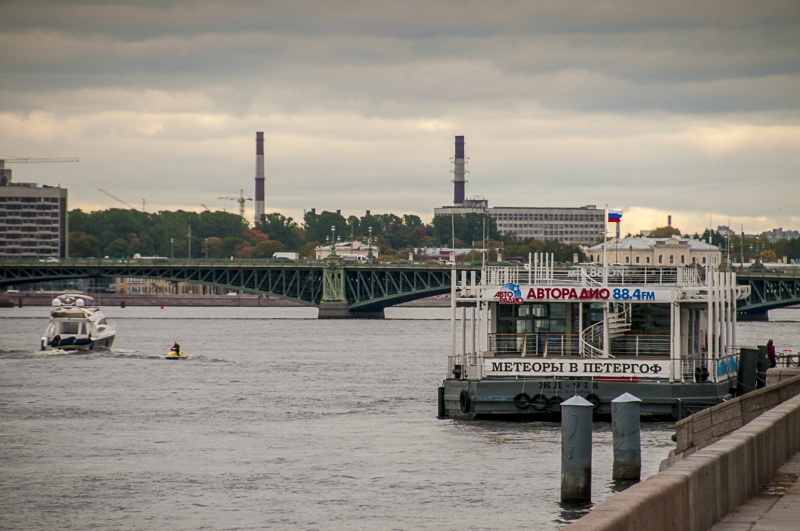 Flussufer und Brücke in Sankt Petersburg unter hellem Himmel.
Photo: Alesia Belaya
Flussufer und Brücke in Sankt Petersburg unter hellem Himmel.
Photo: Alesia Belaya
Key facts: Carpet Museum in Ashgabat
- The subject can look very different depending on the region, season and your personal travel destination.
- Plan a specific route around realistic distances and allow enough time for breaks.
- Current operating, entry and safety information is more important than old travel accounts.
- Local rules, permission to take photographs and consideration for residents or staff should all be part of your preparations.
- Planning alternatives helps you stay flexible if the weather, traffic or available offerings change.
Turkmen carpets are world-famous. They are mentioned in the Avesta, the sacred text of Zoroastrianism, the religion of Zarathustra. In his Book of the Marvels of the World, Marco Polo writes that Turkmen carpets are the finest and most beautiful in the world. They were celebrated by Homer and Herodotus and depicted in many paintings by Italian Renaissance artists. The most beautiful and magnificent works by Turkmen carpet weavers are displayed in museums around the world and are also held in private collections.
In 1994, a unique carpet museum opened in Ashgabat, the homeland of these carpets. The Carpet Museum in Ashgabat is a treasure trove of Central Asian applied art. It houses more than 2,000 exhibits, including carpets dating from the 17th century, as well as unique double-sided and relief carpets. Some exhibits have a density of more than one million knots per square metre—these masterpieces represent an immense amount of work.
One of the museum’s most valuable exhibits is the giant carpet “Turkmen Kalby” (“Turkmen Soul”), handwoven in 1941–1942. It covers an area of 193.5 m². Fifty years later, two even larger carpets were woven in honour of Turkmenistan’s president, Nyyazow. The “Turkmenbashi” carpet (266 square metres) is in the National Museum of Turkmenistan, while the second, “The President” (294 m²), is in the Ruchyet/Rukhyet Palace.
In 2001, a unique giant carpet, “The Golden Age of the Great Saparmurat Turkmenbashi,” was made from Saraja wool yarn with silk thread. It covers an area of 301 square metres and weighs 1.2 tonnes. Forty carpet weavers made it by hand, and each square metre contains more than 304,000 knots. This carpet is the pride of the collection at the Carpet Museum in Ashgabat. It is considered the largest handwoven item and is listed in the Guinness Book of World Records.
Putting the Carpet Museum in Ashgabat in context
The Carpet Museum in Ashgabat is of interest to travellers who want to understand Turkmen carpets not just as souvenirs, but as part of everyday culture, craftsmanship and national symbolism. The exhibits focus on knotting techniques, regional patterns and especially large pieces. Check current opening hours and photography rules locally or through your tour operator, as museum policies can change. A visit pairs well with an overview of Turkmen carpets and a walking tour of Ashgabat.
Practical preparations
For broader context, History and memorial sites is a useful starting point. A travel checklist, up-to-date information on getting there and local transport, and maps saved offline can all help with your preparations. Double-check documents, addresses and booking details before setting off. If you are visiting several places, don’t leave your return journey until the last possible connection. When planning a visit to the Carpet Museum in Ashgabat, take your accommodation location into account alongside the main journeys of the day and realistic breaks.
History and memorial sites and History and memorial sites and Cities and architecture and Rivers, waterfalls and gorges can all help with your preparations when routes, timing and current conditions are considered together.
Lakes and wetlands and peaceful nature getaways and Travel checklist and itinerary and more holiday ideas can all help with your preparations when routes, timing and current conditions are considered together.
The best travel decisions are based on a suitable pace and information that can be verified. So compare your specific reason for travelling with the duration, budget, distances and type of stay you want. If any part of the plan remains uncertain, a shorter leg or a different kind of trip may be the more reliable option. For the Carpet Museum in Ashgabat, the route, weather, daylight and a safe return matter just as much as the attraction itself.
FAQ
How can I fit this into an itinerary?
Include it in a realistic day trip or multi-day itinerary, and allow for travel time, breaks and an alternative.
Which details need to be up to date?
Check access, opening hours, transport, costs, and any safety or entry requirements shortly before your trip.
What should I bear in mind when reading older information?
Older texts can explain the history and geographical context; current decisions require additional sources.
