
Turkmenistan: Desert, Silk Road and Travel Planning
Turkmenistan lies in Central Asia, between the Caspian Sea, the Karakum Desert and the ancient routes of the Silk Road. The country is shaped by Ashgabat, vast desert landscapes, historic ruins and the Turkmen carpet-making tradition. A trip there requires more preparation than an ordinary city break: entry requirements, permits, transport routes, supplies and the arrangements for the trip itself should all be clarified well in advance. For up-to-date advice, the UK Foreign, Commonwealth & Development Office travel advice is another official source.
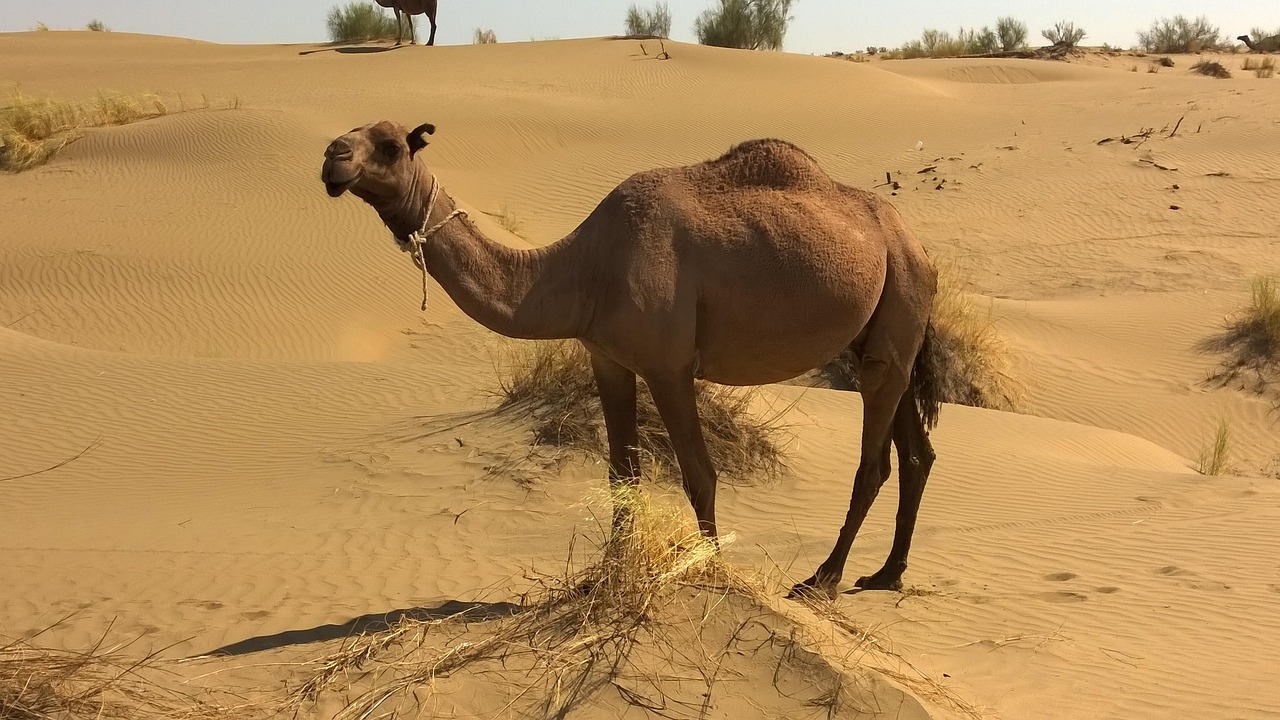 Dromedar in einer trockenen Landschaft Turkmenistans.
Photo: hanmuhado0 from Pixabay
Dromedar in einer trockenen Landschaft Turkmenistans.
Photo: hanmuhado0 from Pixabay
Quick facts: Turkmenistan
- Ashgabat is the main urban starting point for many trips through Turkmenistan.
- The Karakum Desert shapes the climate, distances, supply needs and planning for remote routes.
- Nisa, Merv and Kunya-Urgench represent different historical regions and require separate legs of a journey.
- Darvaza and other desert destinations are not automatically part of an easily accessible standard route.
- Carpets, museums and markets offer cultural highlights, but provenance and export regulations should be checked.
- Visas, permits, guides, transport, accommodation and current safety conditions should be confirmed in advance.
- Ashgabat is the main urban starting point and shapes the country's modern image.
- The Karakum Desert covers much of Turkmenistan and determines distances, climate and supply needs.
- Merv and Konye-Urgench are among the most important historic destinations.
- Nisa evokes Parthian history and lies near Ashgabat.
- There are long distances between destinations; avoid tight estimates for driving times.
- Entry and visitation requirements can change and must be checked directly before travelling.
Ashgabat as a starting point
Ashgabat is a sprawling city at the foot of the Kopet Dag mountains. Monumental buildings, broad avenues, museums and squares give it a very different feel from the historic settlements inland. For a first visit, it is worth seeing the city as more than just a place to spend the night before a desert trip. Museums, markets and its position between mountains and desert help put modern-day Turkmenistan into context. Check current access arrangements, visitor rules and any restrictions locally and with your tour operator.
Nearby, Turkmenistan offers a base for excursions to Turkmen carpets and historic sites. However, proximity does not guarantee unrestricted access. Independent travellers need to establish exactly which areas are accessible, whether an escort is required and how transport will be arranged.
Desert and historic cities
The Karakum Desert is not a single viewpoint, but a vast landscape with long, sparsely populated stretches. Heat, cold nights, water, shade, communications and vehicle reliability are therefore all part of practical preparations. The well-known burning gas crater at Darvaza is often called the “Gates of Hell.” Check whether a visit is possible, and under what conditions, using current information rather than older travel reports. For comparisons with other vast landscapes, see also Siberia and the Balkan region, although these do not form part of a short combined route.
Uzbekistan and Tajikistan reveal other historical and scenic sides of Central Asia. Within Turkmenistan, the most important cultural landmarks include Ancient Merv, Kunya-Urgench and the Parthian fortresses of Nisa. These historic sites provide context, but current access, opening hours and permit requirements should also be checked.
Merv lies in an oasis landscape and encompasses the remains of several historic settlements. Kunya-Urgench, in the north, recalls the importance of Khwarezm. Nisa is closer to Ashgabat and is easier to combine with a visit to the capital. These three destinations should not be squeezed into a single rushed day. The route, road conditions, daylight, heat and return journey to your accommodation all affect how long a visit will actually take.
Carpets, culture and travel etiquette
Turkmen carpets are an important part of the country's material culture. Patterns, colours and weaving traditions vary by region and are especially meaningful to many families. When buying a carpet, check its provenance, quality, price, export rules and any certificates that may be required. A museum visit or a reputable seller can provide more context than an impulsive purchase without clear information.
The country's culture should not be understood solely through monumental facades or historic ruins. Travellers should learn in advance about expectations around clothing, photography, religious sites and dealings with the authorities. Reliable local arrangements are particularly important in remote regions. A small group with a clear route and sufficient contingency time is often better prepared than a packed itinerary with numerous unconfirmed stops.
Routes and practical preparations
A first itinerary could combine Ashgabat with Nisa and one other historic site. Allow extra days and arrange reliable transport for Merv or Kunya-Urgench. The Central Asia travel destination can serve as a regional overview, but direct connections to Tashkent or other neighbouring destinations depend on the entry and transport conditions in force at the time of travel.
Before departure, make a checklist covering passport validity, a visa or invitation, travel insurance, permitted photography equipment, cash, medication, water supplies and contacts you can reach. The time of year matters too: summer heat makes desert journeys more difficult, while the shoulder seasons can be more comfortable for longer sightseeing days. Checking the latest weather and safety information does not replace local arrangements, but is a useful addition to them.
Combining Ashgabat, the desert and historic oases
Turkmenistan is easier to understand when the city, desert and historic oases are planned as separate parts of a trip. Central Asia provides the regional context, while Ashgabat makes a useful urban base. Merv, Kunya-Urgench and Nisa lie in different directions, so allow realistic time for both the journeys and the visits.
The Karakum Desert is a vast landscape with long, sparsely populated stretches. Water, shade, vehicle condition, communications, temperature changes and a safe return all need to be factored into preparations. Do not rely on old travel reports to plan a visit to Darvaza or other remote destinations; check conditions for your specific dates and organised route. Nature and landscapes provides further context, but does not replace a local assessment of conditions.
A longer cultural itinerary can continue to Uzbekistan, Tajikistan, Kazakhstan or Kyrgyzstan. Border and transit requirements must be checked separately. Before booking, check the latest information on getting there and transport, travel preparations, entry requirements and documents and staying safe while travelling. The latest travel advice for Turkmenistan takes precedence over older information.
Turkmenistan FAQ
Which destinations are important for a first trip?
Ashgabat, Nisa, Merv and Kunya-Urgench are among the main destinations to consider. The choice depends on permits, route, available time and transport options.
Is the Karakum Desert easy to travel through?
No. Distances, supplies, heat, cold nights, communications and vehicle reliability call for solid planning and contingency time.
Can Turkmenistan be combined with Uzbekistan?
It makes sense geographically, but border, visa and transit requirements should be checked directly with the relevant authorities and tour operator for your travel dates.
What should I know when buying Turkmen carpets?
Check provenance, quality, price, documentation and any export requirements before buying. Taking a carpet home on impulse is not automatically problem-free.
