
St. Petersburg Museums: Themes, Locations, and Planning Your Visit
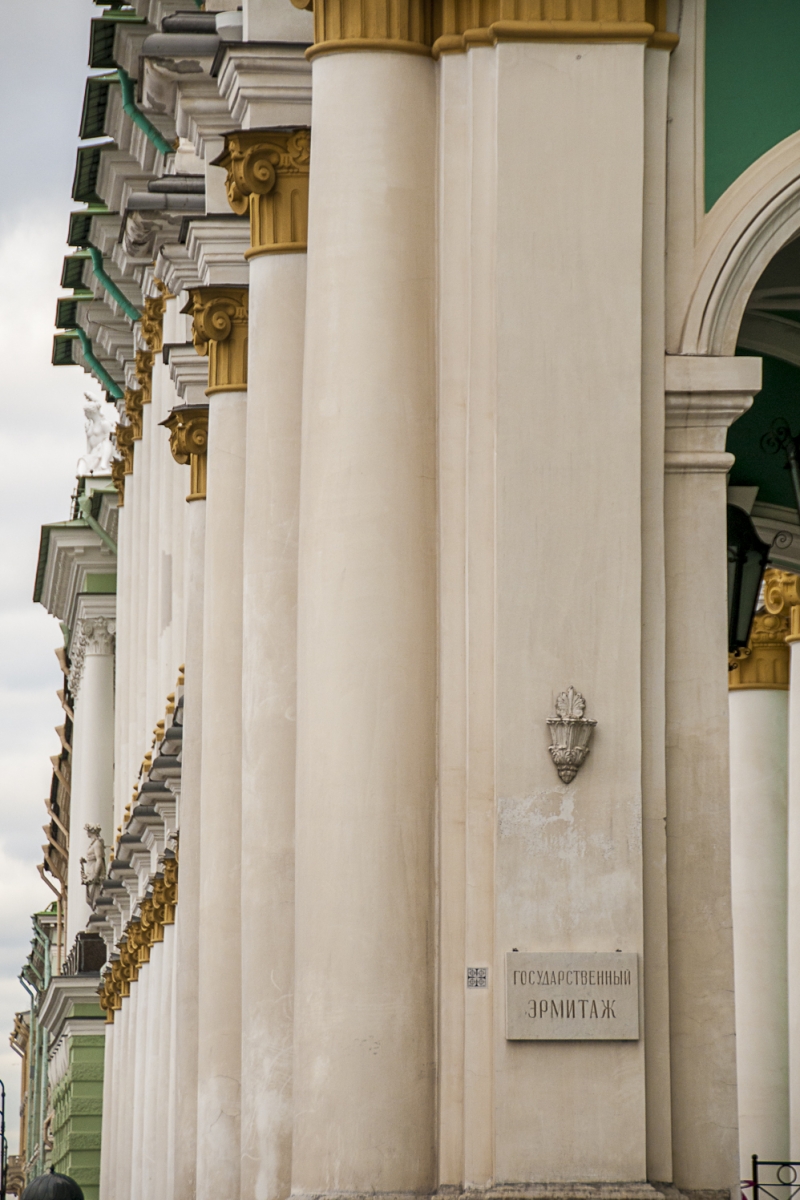 Fassade der Staatlichen Eremitage in St. Petersburg mit Säulen und Museumsschild. Foto: Alesia Belaya.
Photo: Alesia Belaya
St. Petersburg museums at a glance
- The Hermitage is housed in the Winter Palace on Palace Square and includes art collections as well as historic rooms.
- The Russian Museum displays Russian art from the 10th to the 21st century; its main collection is housed in the Mikhailovsky Palace and the Benois Wing.
- The Fabergé Museum, in the Shuvalov Palace, displays decorative arts and crafts, including nine imperial Easter eggs.
- The museums differ in subject, building, and location; choosing based on your interests makes it easy to plan a manageable day of sightseeing.
The Hermitage: art collection and Winter Palace
The Hermitage combines European art and decorative arts collections, archaeology, and Asian art with the historic Winter Palace. This makes a visit different from simply walking through a single exhibition building: the historic rooms themselves shape the experience as much as the collections do. Focusing on selected periods, works, or palace rooms makes it easier to tailor your visit to the time available. Your overall stay in St. Petersburg can be combined with a stroll around Palace Square and along the Neva.
Russian Museum: art from Russia
The Russian Museum is dedicated to Russian art spanning more than a thousand years. Its collection ranges from icons and paintings to sculpture, folk art, applied arts, and works of the avant-garde. The main exhibition is housed in the Mikhailovsky Palace and the Benois Wing. The complex also includes other historic buildings and gardens, so your choice of what to see will depend on whether art or architecture is your priority. For a first visit, it makes a good focus for much of the day; you can visit other museums another day. This clearly distinguishes the Russian Museum from the Hermitage and its European, Asian, and archaeological collections.
Fabergé Museum: jewelry and imperial Easter eggs
The Fabergé Museum is located in the Shuvalov Palace on the Fontanka embankment. Its collection comprises more than 4,000 decorative art objects; particularly famous are nine Easter eggs made for the Russian emperors Alexander III and Nicholas II. The museum is therefore especially well suited to visitors interested in jewelry, silverware, religious objects, and court art. Its location on the Fontanka embankment also makes it a different stop from the museums on Palace Square or in the Mikhailovsky Palace. A single themed collection can round out the day without having to visit several large art complexes in succession.
Combine collections and locations when planning your day
As an editorial recommendation, choose one major museum as your main destination each day. Given their extensive collections and historic building complexes, the Hermitage and the Russian Museum each call for a visit focused on one or the other. The Fabergé Museum offers a narrower thematic focus and is located on the Fontanka embankment. When planning, consider not only the distance on the map but also the size of the collection, the exhibition you want to see, and breaks between stops.
Museums and exhibitions in St. Petersburg can be combined with the city’s history and historic architecture. If you plan to spend time outdoors, you can also add walks along rivers and embankments or around lakes and wetlands. Peaceful stretches of nature offer a different contrast to the grand interiors. Planning your trip by season helps you spread visits across different days. St. Petersburg is in northwestern Russia; general vacation ideas can help you explore other travel interests. The Hermitage, Fabergé Museum, and smaller specialist museums cover different areas of art; other museums and exhibitions broaden the range to include history and science.
When choosing accommodation, consider location, transport connections, and distance from the museums you plan to visit. For a stay in St. Petersburg, you can plan separate journeys to the Hermitage, Russian Museum, and Fontanka; the specific routes depend on where you are staying.
In its notes dated October 25, 2026, it mentions the surroundings of St. Visitor information for the museums may change; official information for the Hermitage is available on the Hermitage website.
Frequently asked questions about St. Petersburg museums
Which museum displays Russian art from the 10th to the 21st century?
The Russian Museum contains more than 450,000 objects dating from the 10th to the 21st century, including icons, paintings, sculptures, and folk art.
How does the Fabergé Museum differ from the major art museums?
It focuses on jewelry and decorative arts. Among its best-known pieces are nine imperial Easter eggs in the Shuvalov Palace on the Fontanka embankment.
