
Restaurants in Moscow: Cuisine, Neighborhoods, and Practical Planning
Restaurants in Moscow range from simple places for a quick meal to establishments offering elaborate cuisine and a longer dining experience. The city is large, so your choice of restaurant should always fit in with your plans for the day. A good restaurant in the right location can make a trip much more relaxing; a long detour, on the other hand, can cost you time, energy, and money. Check the menu, opening hours, reservations, payment options, and current conditions before your visit.
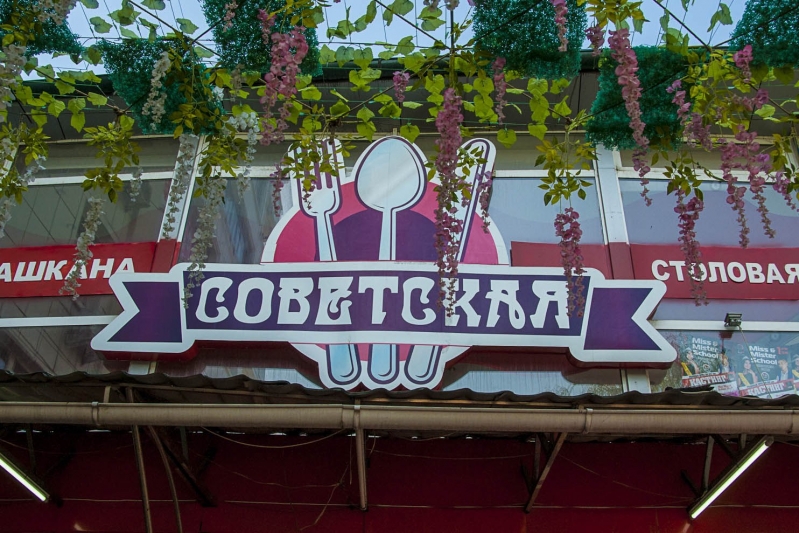 Eingang einer Kantine mit kyrillischer Beschriftung und dekorativer Außenfassade als symbolisches Bild für Essen unterwegs.
Photo: Alesia Belaya
Eingang einer Kantine mit kyrillischer Beschriftung und dekorativer Außenfassade als symbolisches Bild für Essen unterwegs.
Photo: Alesia Belaya
Quick facts: Restaurants in Moscow
- The distance between attractions and restaurants can be considerable in Moscow.
- When choosing, consider the cuisine, location, timing, budget, and how long you want to stay.
- Regional dishes sit alongside international options and contemporary concepts.
- Reservations are a good idea at popular times, for groups, and for special evenings.
- The kitchen may close before the restaurant’s posted closing time.
- A second payment option, saved addresses, and some extra time can make your evening easier.
Plan your neighborhood and itinerary together
Don’t start with a long list; start with the place you already plan to visit. After a museum visit, a nearby restaurant may make more sense than a highly praised spot on the other side of the city. For dinner near your accommodation, the return journey and traffic are key considerations. If you want to combine several stops, allow plenty of travel time and avoid filling every break with a fixed reservation.
The parent page Markets, cafés, and everyday food puts restaurants in the context of your trip. For pointers on ingredients and dishes, see regional cuisine. You can prepare for the city itself with Moscow. For attractions, routes, and historical context, see Cities and architecture and History and memorial sites.
Cuisine and menus
A good menu explains ingredients, sides, and portion sizes as clearly as possible. Translations can sometimes miss nuances; if you have allergies, intolerances, or religious dietary requirements, ask directly. Even a familiar dish may be prepared differently from region to region. If you want to try new foods, consider what you can comfortably eat and have a simple alternative in mind.
For communicating, useful words and everyday situations can help. Keep names, addresses, and booking details accessible with offline maps and translations. If you’re dining with a group, find out in advance whether you can pay together or separately. Tips on cards, cash, and a second payment option can help you avoid relying on a single payment method.
Reservations and timing
Reservations are a good idea at popular restaurants, on weekends, and for larger groups. Ask for confirmation of the time, party size, and address. Also check how long it will take to get there from your previous stop and whether you can accommodate a delay. Don’t plan your restaurant visit so tightly that you have to rush to make it to the kitchen’s closing time, a tour, or your return journey.
A travel checklist with a schedule can help you manage these dependencies. For getting around, see public transport and transfers. If you’ll be out late, know how you’ll get back and what your alternative is in case of disruptions. Current traffic and safety information takes priority over older travel accounts or general recommendations.
Restaurants can add to your cultural experience of a city, but they don’t replace doing your own checks. Dishes, prices, opening hours, and offerings change. Only take photos of interiors, staff, or other guests with their permission. Treating service staff and other guests respectfully is especially important when the language or customs are unfamiliar.
After a meal, a peaceful stroll or a break in nature may be more enjoyable than another scheduled activity. If you’re interested in unusual ways to travel, you can compare special types of travel. More vacation ideas can help you plan Moscow as a blend of city life, history, cuisine, and relaxation.
If you’re staying longer, it may be worth comparing different restaurants instead of choosing the same kind of cuisine every evening. A simple lunch, an afternoon café stop, and a reserved dinner each suit different needs. This also makes it easier to spread out your budget. Still, don’t plan too tightly: in a large city, travel distances, security checks, waiting times, and changes to traffic can all affect your daily schedule.
Ultimately, the right choice depends on what suits you. Someone looking for a quick, budget-friendly meal needs different information from someone planning a long evening of regional cuisine. So first consider what you’re looking for, then choose the restaurant. That way, travel stays manageable, expectations remain realistic, and you can adapt if plans change.
FAQ
How far should a restaurant be from your day’s activities?
Ideally, it should be close to your previous or next stop. In a large city, plan realistically for travel time, transfers, and a time buffer.
Should I make a reservation in Moscow?
Reservations are a good idea for groups, popular times, or a special evening. For spontaneous meals, make a list of several suitable alternatives.
What should I look for on a menu?
Check the ingredients, portion size, side dishes, drink prices, and kitchen hours. If you have allergies, ask directly.
