
Azerbaijan
Accommodation in Azerbaijan
Azerbaijan offers a variety of reasons to travel: Baku combines a historic city center with a sightseeing tour, while Sheki invites visitors to discover architecture, crafts and confectionery. The country also offers mountain landscapes, traditional music and regional cuisine. If you are looking for a hotel, you can start by considering which places and experiences you want to shape your stay.
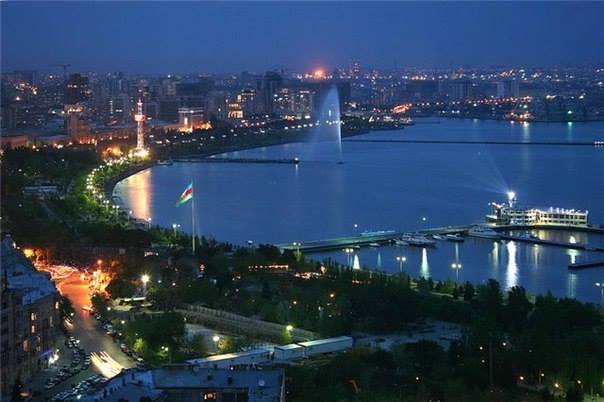
Azerbaijan at a glance
Baku’s Old City is the historic center of the capital and is a UNESCO World Heritage Site. Many venues in the country host Mugham, a traditional musical form with a high degree of improvisation. The Khinalig Cultural Landscape World Heritage area includes the high-altitude village of Khinalig, summer pastures, agricultural terraces, winter pastures in the lowland plains of central Azerbaijan, and the seasonal Köç Yolu transhumance route. This migration route is 200 kilometers long.
Other specific experiences include workshop and cooking classes, a natural history center with mineral exhibits, and opportunities for kitesurfing and skiing. These examples differ considerably, ranging from urban history and crafts to seasonal pasture use and sports.
What can you discover in Baku and Sheki?
Baku’s Old City is surrounded by 12th-century walls. You can make the historic city center the focus of a culture-oriented stay. For exploring the city, a hop-on hop-off bus tour also follows a 25-kilometer route with 15 stops, taking visitors to the city’s main attractions. The fixed route length and number of stops provide a concrete framework for this tour.
Sheki also has distinctive architecture: its Historic Centre features traditional buildings with steeply pitched roofs, deep verandas and gardens in a forested mountain landscape. Sheki’s Khan’s Palace is considered an outstanding example of the city’s architecture. At the Shaki Fortress, visitors can see a Shebeke workshop and meet artisans. Several traditional confectionery shops in Shaki also offer halwa-making classes with local confectioners. Architecture, crafts and local sweets thus offer different ways to experience the culture.
Which landscapes and historic sites stand out?
The Khinalig Cultural Landscape brings together different elevations and types of land use: the area includes the high-altitude village of Khinalig, as well as summer pastures and agricultural terraces in the Greater Caucasus. It also includes winter pastures in the lowland plains of central Azerbaijan and the Köç Yolu. The 200-kilometer seasonal transhumance route is connected with these pasture areas. The landscape can therefore be considered not only as a village and mountain area, but also in the context of seasonal use.
The Gobustan State Reserve contains more than 6,000 rock carvings dating from around 5,000 to 20,000 years ago. Those interested in early visual records will find a different historical focus there than in Baku’s medieval city walls or Sheki’s traditional architecture. The Mud Volcanoes Tourism Complex adds to these themes with an information center, a natural history exhibition and mineral exhibits.
Ashabi Kahf is a popular pilgrimage site for local Azerbaijanis. The complex includes a mosque and shrines that can be reached via a network of steps. The Ateshgah Temple in the settlement of Surakhani is an open-air museum. These sites reflect other religious and historical interests that can be considered when choosing a focus for your trip.
What activities and culinary experiences are available?
The resorts in Shahdag have 14 well-groomed ski slopes. This is a specific point of reference for travelers who want to include skiing in their trip to Azerbaijan. Another option is in the village of Shorabad in the Khizi region near Baku: Blueplanet Resort is Azerbaijan’s first kitesurfing center. Lessons and courses are offered there; kites and boards, along with the necessary accessories, can be purchased or rented.
There are also special experiences beyond these sports: at Yanardag, visitors can take guided off-road electric scooter tours. In Lahij, master classes for tourists are frequently held at the workshop of local coppersmith Nazar Aliyev. These examples range from outdoor activities to hands-on crafts.
Dolma is a central culinary tradition throughout Azerbaijan and is enjoyed on special occasions and at gatherings. In Shaki, you can also take halwa-making classes with local confectioners. This adds a specific insight into confectionery-making to the important role dolma plays across the country.
How do you choose a suitable base?
Here, Baku represents the historic city center and the bus tour; Sheki and Shaki represent architecture, crafts and halwa-making classes. For nature and landscapes, the Khinalig Cultural Landscape and Gobustan offer distinct travel interests. If sports are the deciding factor, Shahdag or the kitesurfing center in Shorabad may be relevant to your plans. These different focuses can help you align your hotel search with the places you plan to visit, without inferring anything about a property from individual activities.
For regional orientation, see pages for: Şəmkir, Lerik, Samur, Armaki, Bala-Gusar, Shahdag, Sis, Altiaghach, Turist, Galaalti, Mingəçevir, Ismailli, Nakhchivan, Tovuz, Khachmaz, Nabran, Aghbulag, Zaqatala, Kuzun, Ganja, Absheron, Baku, Siazan, Oghuz, Masally, Sumgait, Lankaran City, Shaki, Qabala, Shamakhi, Qakh, Naftalan, Quba, Badashkhan and Ağstafa.
FAQ
How long is the hop-on hop-off route in Baku?
The route is 25 kilometers long and has 15 stops.
What does the Khinalig Cultural Landscape include?
It includes the high-altitude village of Khinalig, summer pastures and terraces in the Greater Caucasus, winter pastures in central Azerbaijan, and the 200-kilometer seasonal Köç Yolu.
Which classes can travelers take in Shaki?
Several traditional confectionery shops offer halwa-making classes with local confectioners. At the Shaki Fortress, visitors can also see a Shebeke workshop.
