
Nikita Garden near Yalta: Botanical Garden and Coastal Views
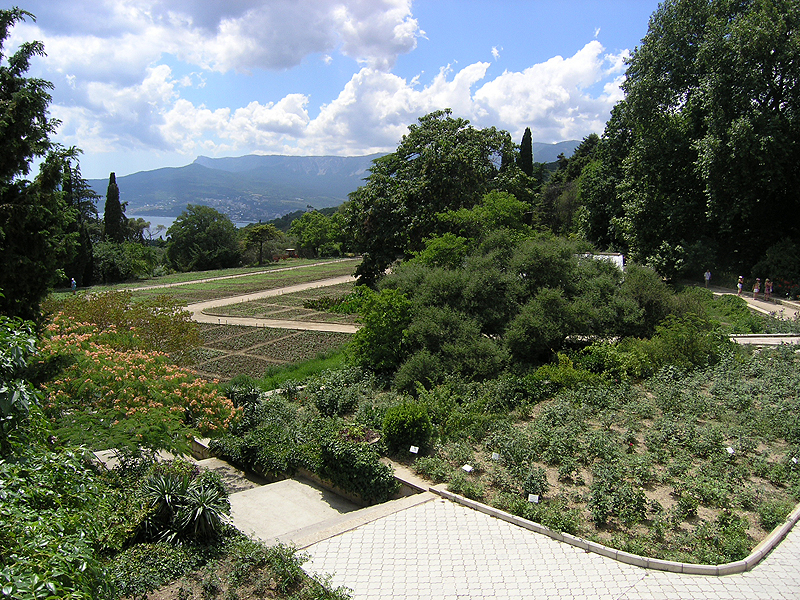 Terrassierte Wege, Pflanzenbeete und Bäume im Nikitsky Botanischen Garten mit Blick über die Südküste der Krim.
Photo: Foto: Asta, Public Domain
Terrassierte Wege, Pflanzenbeete und Bäume im Nikitsky Botanischen Garten mit Blick über die Südküste der Krim.
Photo: Foto: Asta, Public Domain
Key facts: Nikita Garden
- Nikita Garden, usually called the Nikitsky Botanical Garden, is near Yalta on the southern coast of Crimea.
- Terraces, plant collections, paths and views of the Black Sea shape the garden experience.
- Blooming periods and the plants in focus change throughout the year.
- Hillside paths, sunshine, heat and the size of the grounds affect how long a visit takes.
- Livadia, Yalta, Ai-Petri and Gurzuf are separate destinations and should not automatically be combined into a single day.
- Check opening hours, admission, weather, transport, access and current safety conditions before visiting.
A botanical garden on Crimea’s southern coast
Nikita Garden, usually known as the Nikitsky Botanical Garden, is near Yalta on the southern coast of Crimea. Terraced paths, diverse planting areas and views of the Black Sea define its character more than a quick stroll past individual flowerbeds. Visitors wishing to place the site in its historical and landscape context can combine it with sights in Yalta, Livadia and Gurzuf. Current confirmation is still required for access and transport.
A botanical garden is best enjoyed at a leisurely pace. Rather than trying to collect as many names as possible, take time to notice the layout of the paths, the changing light and the variety of plant forms. The photograph shows garden areas on a hillside overlooking the coast. If taking photos, avoid blocking other visitors, stay out of flowerbeds and follow notices about protected areas. Plants, seeds and other natural materials should not be taken home as souvenirs.
Always check the current situation first
Crimea is a region with a complex legal and security situation. Travel, entry and access conditions can change at short notice, so general historical descriptions should not be taken as travel recommendations. Before making any specific plans, check the latest advice from the relevant authorities and the binding information provided by the facility itself. If you cannot confirm these conditions with confidence, do not base a visit on assumptions drawn from older texts.
Do not infer possible travel routes from outdated flight or road information, either. Information about Crimea, Ai-Petri and Massandra provides geographical and historical context, but not current transport or safety advice. Responsible planning depends on whether a route is legal, safe and genuinely accessible today.
Visit with respect for plants and paths
If a visit is possible under conditions that have been checked recently, comfortable shoes, sun protection and water are more useful than an overpacked itinerary. Hillside terrain and long paths may be more tiring than a map suggests. In bad weather or when areas are restricted, it is better to adjust your route than to go around barriers. Taking a break in a permitted place and allowing time to explore individual sections of the garden makes for a more enjoyable visit than rushing to find as many photo opportunities as possible.
The garden also connects with wider themes of nature, including viticulture on the Crimean coast, the landscape around Massandra and the mountains near Yalta. Especially in historical content, it is important to treat time-specific information as such and not infer current availability from it.
Discover the garden at a slower pace
A botanical garden is easier to appreciate when you do not feel the need to identify every plant straight away. The contrasts between shaded paths, open terraces, mature trees and smaller flowerbeds already show how strongly the terrain and climate shape the design. If you are visiting with children, choose a manageable area and plan breaks. This helps prevent heat or long walks from dictating the visit. If access is restricted, it is better to focus on an area that is open to visitors.
The coast’s proximity can add to the experience, but it should not encourage careless excursions. Hillside paths, weather and local rules determine what is possible on site. Questions about tickets, photography permissions, guided tours or accessible paths must be checked directly with up-to-date sources. Historical texts may describe the garden, but they cannot provide reliable information about its status on a particular travel date.
Enjoy the plant collections, hillside paths and seasons mindfully
Nikita Garden rewards a leisurely stroll through its terraces and planting areas. Nikita Garden and sights in Yalta should be planned as separate highlights. The botanical garden’s official information provides further details about collections and visits; confirm blooming periods and access for your specific date.
For a day on the coast, you can compare Livadia, Ai-Petri and Yalta. Sudak, Novy Svet and Crimea belong on longer routes and require separate travel arrangements, time buffers and current safety checks.
Before setting out, update information on getting there and transport, travel preparations, luggage and carry-on baggage, staying safe while travelling, nature and landscapes and culture and history. The current travel and safety advice for Ukraine takes precedence over older travel information.
FAQ about Nikita Garden
What is Nikita Garden known for?
The garden is known for its botanical collections, terraced paths and coastal views near Yalta.
When is the most interesting time to visit?
It depends on which plants you want to see and when they bloom. Check seasonal information directly with the garden.
How much time should I allow?
Given the hillside terrain, paths and need for breaks, it makes sense to set aside half a day or a full day. Take heat and walking distances into account.
Can I combine a visit to the garden with Yalta?
Yes, if transport, opening hours, daylight and the desired walking distance all work together. Plan Livadia or Ai-Petri as separate highlights.

