
Ljubljana, Slovenia: Old Town, Castle, River, and Travel Planning
Ljubljana is the capital of Slovenia and an easy-to-navigate destination for a city break. The old town lies on both sides of the Ljubljanica, while the castle, market, bridges, cafés, and museums are all within a short distance of one another. This makes Ljubljana just as enjoyable over a weekend as it is as a stop on a longer trip through Slovenia. If you want to see more than the best-known photo spots, make time for the riverfront, the castle hill, and a quieter stroll through a park.
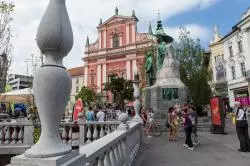 Blick über die Drei Brücken auf die Franziskanerkirche am Prešeren-Platz in Ljubljana.
Photo: Dago Wiedamann
Blick über die Drei Brücken auf die Franziskanerkirche am Prešeren-Platz in Ljubljana.
Photo: Dago Wiedamann
Ljubljana at a glance
- Ljubljana is the capital of Slovenia and lies on the Ljubljanica.
- The old town, Triple Bridge, market, riverfront, and castle form a compact city centre that is easy to explore.
- The castle is elevated; plan to use the funicular, walking paths, and return route according to your fitness level.
- Tivoli, museums, and events offer alternatives to a riverside walking tour.
- Bled, Lake Bohinj, and Triglav National Park are separate excursions that require travel time.
- Check opening hours, tickets, transport, weather, and current visitor information.
Old Town, Bridges, and the Ljubljanica
Start your walk at Prešeren Square and cross the Triple Bridge into the old town. Riverside paths, squares, cafés, and small shops line the Ljubljanica. The Dragon Bridge is a well-known photo spot, but the quieter side streets are also worth exploring at a leisurely pace. The central market brings together food stalls, regional produce, and the daily bustle of the city. The official visitor information from Visit Ljubljana can help you check current opening hours, events, and sightseeing options.
Ljubljana Castle offers views over rooftops and the surrounding mountains. The climb is short but steep in places; sturdy shoes are a good idea in wet weather. If you want to combine museums, interiors, and the views, allow plenty of time for your castle visit. A break by the river or in one of the squares is just as much a part of the experience as a packed itinerary. Families can break up walks and sightseeing with playground stops and short breaks.
Parks, Museums, and Excursions
Tivoli Park starts a short distance from the centre and is a good place for a walk after exploring the old town. Art and history enthusiasts can choose from several museums, but should check exhibitions and closing days in advance. On rainy days, museums, the market hall, and cafés are practical alternatives. If you want to combine your city break with time in nature, consider adding the Triglav area to your itinerary.
Ljubljana can easily be combined with other cities. For a route heading east, consider Zagreb or Belgrade; if you want to explore more of the Balkans, the Balkans overview offers further ideas. Travel time between stops should matter more than having the longest possible list of places. A free half-day may be more worthwhile than an extra excursion that can only be visited briefly. The guide to cities, old towns, and architecture can help you choose other cultural destinations.
Getting There and Choosing How Long to Stay
The best way to get there depends on whether you travel by air, train, bus, or car, as well as where your accommodation is located. If you arrive by car, check parking options outside or on the edge of the city centre. Staying centrally puts many sights within walking distance, but getting there and transporting luggage can be more difficult. For day trips, check the current timetable, weather, and return options for the same day.
One day is enough to see the main squares, riverside, and castle. Two nights allow more time for museums, Tivoli, and a relaxed meal. If you plan an excursion outside the city, a longer stay is recommended. The city’s compact size is an advantage, especially if you don’t want to schedule every hour. If you’re looking for large shopping centres or a very lively nightlife, consider whether that matches the city’s quieter, culture-focused character.
For a Slovenia road trip, Ljubljana combines well with Maribor. Those looking for nature and a peaceful lakeside stay will find a fitting contrast to the capital at Lake Bled.
Ljubljana and Its History
Ljubljana brings together several historical periods in a compact area. The Roman settlement of Emona once stood within the city; today’s centre combines medieval lanes, Baroque buildings, and newer districts. History and modern life therefore come together on a walk, rather than being confined to separate attractions.
The 1895 earthquake shaped the city’s subsequent development and led to numerous new buildings and renovations. The influence of architect Jože Plečnik is also especially visible: through the Triple Bridge, the riverside areas, and other structures, he helped shape the cityscape around the Ljubljanica. To understand this connection, combine a walk through the old town with a visit to the castle and a museum. For current access information and opening hours, the official visitor information from Visit Ljubljana is a good place to start.
Plan Your Walk Around the Old Town, Ljubljanica, and Castle
Start your first day in the city at Prešeren Square, then cross the Triple Bridge and follow the riverfront and market into the old town. Plan a visit to Ljubljana Castle as a separate stop, taking its elevated location and the return route into account. The official visitor information for Ljubljana provides up-to-date details on opening hours, tickets, and events.
Slovenia brings together cities, the Alps, lakes, and the coast. Triglav National Park, Lake Bled, Lake Bohinj, Kranjska Gora, and Piran are suitable additions, but each is a destination in its own right. Make decisions about distances, transport, and overnight stays based on more than just the straight-line distance on a map.
Before your stay, check the latest information on getting there and transport, transfers and local transport, trip preparation, money and payments, staying safe while travelling, culture and history, and nature and landscapes. Confirm the weather, opening hours, parking, trail conditions, and a rainy-day plan for your dates.
Ljubljana FAQ
How many days do you need in Ljubljana?
One full day is enough for the old town, riverfront, and castle. Two nights leave extra time for museums, Tivoli, and a more relaxed evening.
Can you explore Ljubljana on foot?
The main parts of the city centre are close together. For the castle, Tivoli, and accommodation outside the centre, take the inclines and return route into account.
What can you combine Ljubljana with?
Bled, Lake Bohinj, the Triglav area, or Piran can all be added to a trip around Slovenia. Allow dedicated time for travel and activities at each destination.
What should you check before visiting the city?
Check opening hours, tickets, events, weather, transport, parking options, and the latest information from venues before your visit.
